
Bird of Paradise Leaves Turning Yellow
Bird of paradise leaves turn yellow when the plant is experiencing stress due to an environmental factor. This could be improper care, or an outside element such as disease or

Hydrangea Leaves Turning Yellow
Hydrangeas are flowering shrubs native to Asia and America. They can grow from three meters up to 30 meters tall, depending on the species. They have big, beautiful blooms that

Blueberry Leaves Turning Yellow
Blueberries are perpetual flowering plants that are popular for their blue and purple fruits. They are part of the genus Vaccinium, which includes huckleberries, cranberries, bilberries and Madeira blueberries. These

Tree Leaves Turning Yellow and Falling Off in Summer
Trees and other plants are considered healthy if they have glossy, green leaves and firm stems and branches. While the changing of leaves is something to look forward to during

Bottom Leaves Turning Yellow
If a plant’s bottom leaves are turning yellow while the rest of the plant is otherwise healthy, it is more than likely just a sign of aging. A plant will

Alocasia Leaves Turning Yellow
Alocasia plants belong to the family Araceae. They feature striking foliage and are popular indoor plants. There are roughly 80 to 97 species of these plants, which are natives to

Yucca Leaves Turning Yellow
Yucca leaves will turn yellow as a sign of stress due to changes in their living conditions that are less than ideal. One of the most common causes of yellowing

Sweet Pea Shrub Turning Yellow
Sweet pea shrubs are dainty evergreens that bloom year-round. These shrubs make a good addition to borders in warm climates, and are also good in patio pots. Their purple or

Aloe Vera Plant Turning Yellow
Your Aloe Vera is probably turning yellow due to too much or too little water. The easiest way to correct this, especially if you are able to catch the problem

Chives Turning Yellow
Chives are members of the onion family, with the scientific name Allium schoenoprasum. These companion plants deter pests, have beautiful edible flowers, and are cold-tolerant perennials best planted in early

Jalapeno Leaves Turning Yellow
Jalapeno peppers belong to the Capsicum annuum species, and are commonly harvested and consumed while still green, although they can fully ripen and turn orange, red or yellow. This medium-sized

Dieffenbachia Leaves Turning Yellow
Dieffenbachia leaves turn yellow when the plant is experiencing some kind of environmental stress. Correctly identifying the cause of the problem is the first step in effectively fixing the yellowing.

Fern Turning Yellow
Fern fronds turning yellow can be completely normal. New fronds tend to be lighter in color compared to more mature ones. Older fronds that are about to drop off also

Avocado Leaves Turning Yellow
Avocados are certified favorites for people everywhere. The tree most likely originated from South-Central Mexico. Avocado trees are self-pollinating and are usually propagated through grafting, mainly to maintain the fruit

Dragon Fruit Plant Turning Yellow
A dragon fruit plant turning yellow is often due to an environmental factor that is stressing the plant. Being able to identify the cause is the first step in finding

Oleanders Leaves Turning Yellow
Oleander, or nerium, is a shrub or small tree grown worldwide in temperate or subtropical climates. This ornamental and landscaping plant has colorful flowers that are pink, red, yellow or

Asparagus Ferns Turning Yellow
Asparagus ferns will turn yellow if they are experiencing any kind of environmental stress. The best way to approach this situation is to figure out the cause of the discoloration

Bougainvillea Leaves Turning Yellow
Bougainvillea leaves turning yellow is the plant’s way of informing you that it is experiencing some kind of environmental stress that needs to be addressed and remedied. The most common

Pepper Plants Turning Yellow
Pepper plants are popular as peppers are used in many food preparations. They belong to the genus Capsicum, of the Piperaceae family of flowering plants. Common types include green and

Mint Leaves Turning Yellow
Mint plants are spreading perennial herbs that are usually planted in containers or confined beds. They provide aromatic flavor to food and tea, as well as offering many health benefits

First Set of True Leaves Turning Yellow
First-time plant growers can get a bit too excited with their first set of cultivated plants. They tend to spoil them by watering often and fussing over the young plants’

Seedlings Turning Yellow
If your seedlings are turning yellow – a condition called chlorosis – the most common causes are root damage from wet soil, overwatering, or nitrogen deficiency. Other causes of yellowing

Pilea Leaves Turning Yellow
The most common reason for your pilea plant to turn yellow is overwatering. Remember that you only need to water your pilea plant if the top 25% of the soil

Bromeliad Leaves Turning Yellow
Bromeliad plants are from the family Bromeliaceae, or the pineapple family. These plants are native to tropical North and South America and thrive in tropical and subtropical climates. In temperate

Pine Tree Needles Turning Yellow
Pine trees are from the genus Pinus, of the family Pinaceae. There are currently at least 126 recognized species of pine tree, as well as 35 unresolved species. These mighty
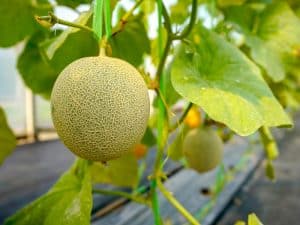
Cantaloupe Leaves Turning Yellow
Cantaloupe leaves turning yellow indicates something wrong with your plant. It may be related to its living conditions, or it could be due to a foreign element. The most common

Plumeria Leaves Turning Yellow
Plumeria leaves turn yellow due to stress, which can be caused by a multitude of reasons. The most common causes are overwatering, underwatering, too much sunlight, not enough sunlight, pests,
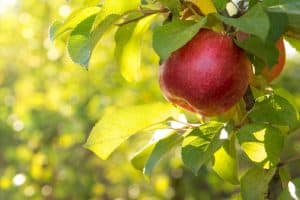
Apple Tree Leaves Turning Yellow
If your apple tree’s leaves are turning yellow, it could have apple chlorosis. Chlorosis occurs when the soil in which the tree is planted lacks iron. This nutrient deficiency will
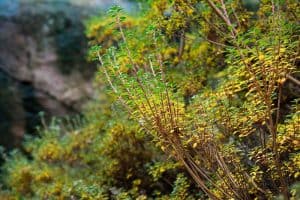
Azalea Leaves Turning Yellow
Azaleas like their soil acidic. If it is too alkaline this can lead to chlorosis, which occurs when the plant is unable to absorb the iron it needs from the

St. Augustine Turning Yellow
The most common reason St. Augustine grass turns yellow is chlorosis, a condition caused by a lack of chlorophyll due to nitrogen or iron deficiency. Other causes of yellowing St.
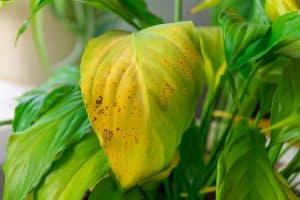
Plant Leaves Turning Yellow With Brown Spots
The most common cause of plant leaves turning yellow with brown spots is leaf spot disease. This is caused by a fungus that feeds on the leaves of the plant.
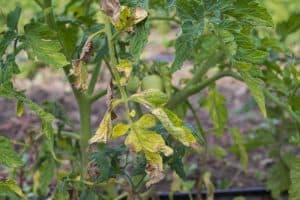
Vegetable Leaves Turning Yellow
The most common reason your vegetable plant’s leaves may turn yellow is due to your watering technique. The problem can be either overwatering or underwatering. If you have plants with

New Sod Turning Yellow
When your new sod is turning yellow, it usually means it is getting overwatered. Yes, new sod is supposed to be watered more than the grass in an established lawn,
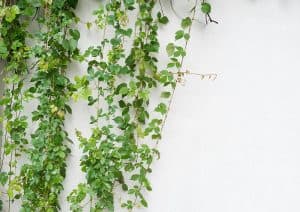
Ivy Leaves Turning Yellow
Ivy plants are evergreen, woody ground-creeping and climbing plants of the family Araliaceae. These plants are native to central, western and southern Europe, Japan, Taiwan and some parts of Africa.
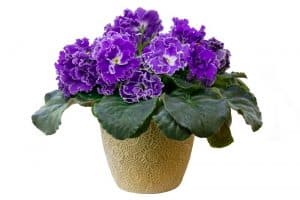
African Violets Leaves Turning Yellow
African violets are indoor plants favored for their dainty flowers, and can also be grown outdoors in certain climates. They are also known as saintpaulias, and some species are considered
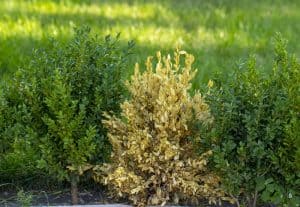
Boxwood Turning Yellow
Boxwood plants turning yellow is indicative of a problem that needs to be identified and remedied as soon as possible. The most common causes of yellowing boxwood plants are boxwood

Elephant Ear Plant Leaves Turning Yellow
Elephant ear plants are popular among ornamental plant enthusiasts because they make good landscape plants. They can reach three to five feet in height, but are also ideal indoor plants.
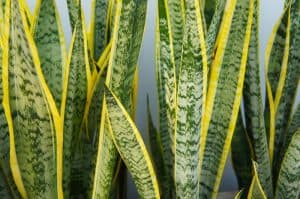
Snake Plant Turning Yellow
The snake plant, or Sansevieria trifasciata, is native to Africa and Asia. It is popularly used in home decor since it adds aesthetic value while removing toxic pollutants from the
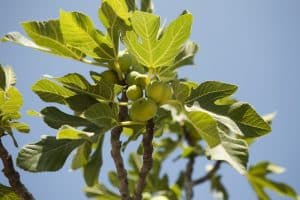
Fig Leaves Turning Yellow
The fig plant belongs to the mulberry family, Moraceae, and is native to Asia and the Mediterranean, although it grows in most countries with warm climates. The fruit is rich

Leaves Turning Yellow During Flowering
A plant’s leaves turning yellow during flowering can be worrisome for plant owners. It signifies that something is not right with the plant. While plant experts note that leaves do
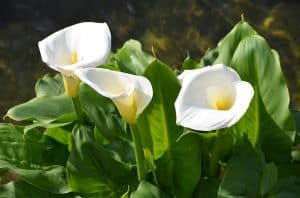
Calla Lily Leaves Turning Yellow
Calla lilies are dainty flowering plants that come in white, pink, yellow, black and purple. Their name derives from the Greek word, ‘calla’, meaning beautiful, and they are popular in
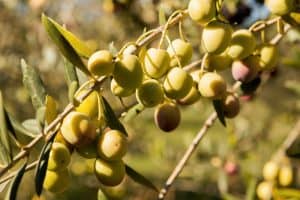
Olive Tree Leaves Turning Yellow
Olive tree leaves will turn yellow when the tree experiences major changes in its nutritional intake. The change in color can also be due to factors that cause stress to
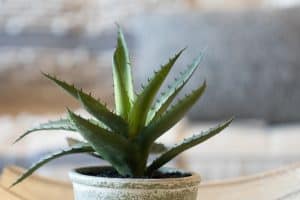
How To Save An Overwatered Aloe Plant?
Aloe plants are very tough, but one of the most common reasons home gardeners kill them is by unknowingly overwatering them. Aloes are succulents that have thrived in the driest

Orchid Leaves Turning Yellow
When your orchid’s leaves are turning unnaturally yellow, it is not a good sign. It means there is something wrong with your plant that you will need to address and
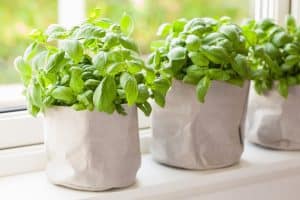
Basil Leaves Turning Yellow
Basil is a leafy green aromatic herb and a popular food seasoning ingredient. Some of the popular varieties include sweet basil, Thai basil and Greek basil. Homeowners usually cultivate it
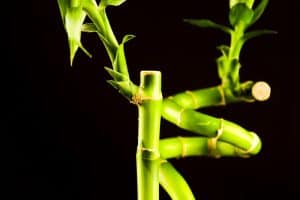
Lucky Bamboo Turning Yellow
The lucky bamboo plant, Dracaena sanderiana of the family Asparagaceae, was named after the German-English gardener Henry Frederick Conrad Sander. According to Chinese beliefs, this household plant increases feng shui.
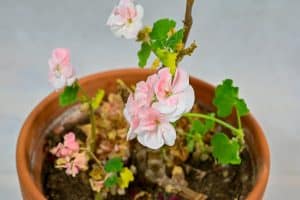
Geranium Leaves Turning Yellow
Geraniums have approximately 422 species, and are found in temperate areas of the world such as the eastern Mediterranean. These plants have broad circular leaves, with flowers that come in
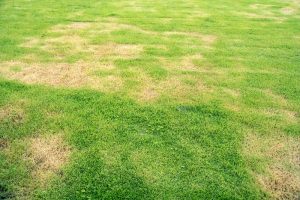
Grass Turning Yellow
Homeowners tend to be very particular about their front lawns. Popular options when it comes to lawn grass include a combination of bluegrass, fescue and ryegrass. While most lawn grass
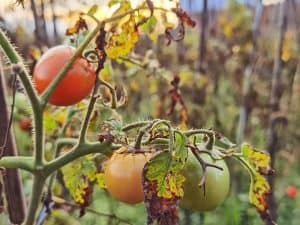
Tomato Plant Leaves Turning Yellow
Tomatoes are ideal backyard plants, as they are common food staples and a must-have in most salads. Their scientific name is Solanum lycopersicum, of the family Solanaceae. You may notice
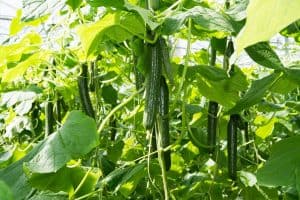
Cucumber Leaves Turning Yellow
If you notice your cucumber leaves turning yellow, there is something wrong with the plant and you need to identify the problem to know how to properly address it. These
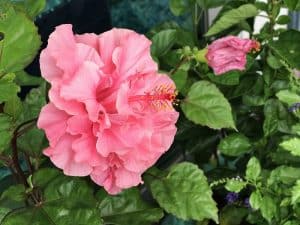
Hibiscus Leaves Turning Yellow
Hibiscus leaves turning yellow indicates that there is a problem with the plant that needs to be addressed and remedied before it is too late. The most common reasons for

Aloe Vera Root Rot
Root rot in Aloe Vera plants occurs due to excessive watering and low temperatures. It is one of the most common problems encountered by Aloe Vera owners and, if not
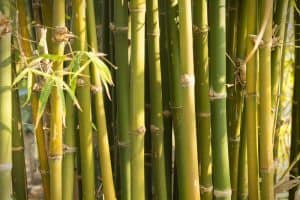
Bamboo Turning Yellow
If your bamboo’s leaves are turning yellow, it can be due to something as benign as the leaves naturally yellowing as part of the plant’s life cycle. But there are

Cactus Turning Yellow
Cacti are a plant collector’s delight due to their miniature sizes and shapes. They are great indoor plants and very easy to care for, as they can thrive despite having
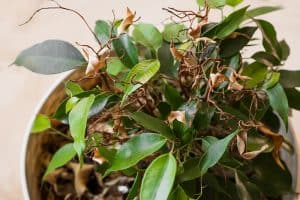
How To Tell If A Plant is Overwatered or Underwatered?
Droopy and yellowing leaves are a cause for concern for plant owners. It is an indication that something is not right with the plants. Despite a regular watering schedule, you
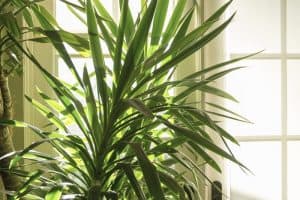
Yucca Plant Diseases
The most common afflictions in yucca plants are caused by fungi and insects. The usual suspects that cause discoloration on yucca leaves are Coniothyrium, Sclerotium, Cytospora and Cercospora. The spores
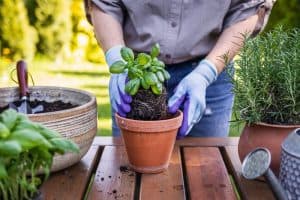
How to Care for a Potted Basil Plant?
The three most important things for a basil plant owner to remember are to water the plant regularly and consistently, harvest the leaves often to encourage growth of new leaves,

Basil Plant Wilting
The most likely reason your basil plant is wilting is that the soil is dry and the plant is underwatered. Basil plants need soil that is moist and porous. In
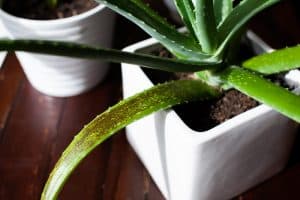
Why is My Aloe Plant Dying?
The most common reason for aloes to die is due to overwatering. Aloes are succulents that come from the driest places on earth. They have evolved to thrive in places

How Long Can Orchids Go Without Water?
Orchids, with the scientific name Orchidaceae, share many characteristics of succulents as they can thrive despite irregular soil, low light and limited water. These plants belong to one of the
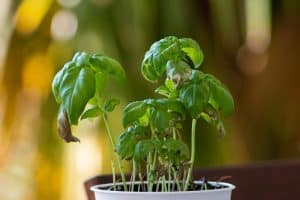
Why is My Basil Plant Dying?
There are several reasons your basil plant may be dying, but the most common of these is that your plant is being either underwatered or overwatered. Other possible reasons your

White Spots on Yucca Leaves
White spots on yucca leaves usually mean there is a problem that needs to be addressed as soon as possible. The white spots can either be due to powdery mildew,

How To Save A Dying Cactus?
When you find your cactus in a desperate state and almost dying, there are still some steps you can take to save its life. You need to remove all the
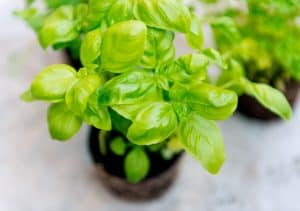
Why Are My Basil Leaves Turning Brown?
If you notice that the leaves on your basil plant are turning brown, do not waste any time; start figuring out the cause and taking care of the problem. The
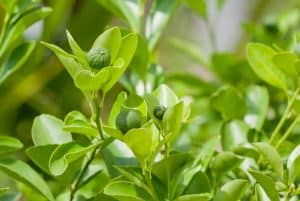
How To Grow Calamansi from Cuttings?
Calamansi, also known as calamondin, is a citrus hybrid that is predominantly cultivated in the Philippines. This plant, known by the scientific name Citrofortunella microcarpa, is native to the Philippines,