Overwatered Echeveria

Overwatered Echeveria

Echeveria plants are popular succulents because of their symmetrical rosette shape and variety of colors. These plants comprise a large genus of flowering plants in the Crassulaceae family. They are native to the semi-desert areas of Central America and are considered low-maintenance plants. However, like most succulents, these dainty plants can be prone to overwatering. 

What does an overwatered echeveria look like?

The common signs of an overwatered echeveria include the following:

  • The leaves feel soft and mushy. 
  • The color of the leaves is lighter than those of a healthy plant, and may even turn translucent. 
  • The leaves drop at the slightest touch, and the bottom ones are affected first. 
  • The plants have an overall sickly appearance.
  • The leaves are turning black, especially those at the base of the plant. 
  • The stems are black or brown and mushy. 
  • Root, leaf and stem rot may set in. 

The leaves become discolored and squishy because they are taking up extra water and storing it in their cells. This may cause discoloration and, as they begin to rot, they feel squishy. Discolored leaves may eventually turn black as they rot from the inside; this may also be due to a fungal disease caused by the excess water. 

How to save an overwatered echeveria

To save your overwatered echeveria plants, you will probably have to uproot them and remove the wet soil from around the roots. Allow the plants to dry out completely for at least three days, or up to a week. Place them in a bright and dry area, but make sure it is away from direct sunlight to avoid sunburn. Check for signs of root rot and, if it is present, remove the rotten roots. 

Once the plants are dry, replant them in a well-draining potting mix and do not water for at least a week. Before watering, check the top inch of the soil. If it feels dry, you can water again, but if the soil is still wet, refrain from watering for another few days. 

Types of rot

Leaf rot  

The leaves take up too much water and become infected with fungus, resulting in leaf rot. 

How to fix it:

Remove the rotten leaves at once. If there are healthy leaves, place them directly onto the soil after their bases have callused over, in a fresh container with fresh soil mix, and spray lightly with water so that the topsoil becomes wet. Roots will emerge from the leaf base after a few weeks, then tiny growth will appear, and you will have new plants from the mother plant.

Stem rot 

The stems develop black spots or coloration from within. 

How to fix it:

The rotting part can be separated from the plant if the stem rot has not become severe. Cut off the rotting part of the stem and check for any rot inside the stem. If present, remove or cut away that part completely.  Leave the echeveria out for two to three days so that the cut can callus over. 

Once the stem has become callused, plant the echeveria in a well-draining soil mix and only water if the soil is really dry. To accelerate root growth, use a rooting hormone. Within a few weeks, roots will start to develop from the cut area. 

Root rot 

Roots become damaged due to overwatering, often resulting in root loss.

How to fix it:

Take the roots out of the pot or container and squeeze out any excess water or moisture. Leave the plant out of the container and allow it to dry out for at least two days. Once the soil dries up, the root rot should not develop further. 

If the damage and root rot are severe, remove the plant, remove the wet soil and cut away the rotted roots. Dispose of the used soil as it may contain fungus that could spread disease. Allow the plants to dry out for a few days before potting them again in fresh soil. 

Conclusion 

Echeveria plants are popular, low-maintenance succulents loved for their unique shape and variety of colors. They are famous as indoor decor for homes and offices, but are also ideal for outdoor gardens. These plants are prone to overwatering, and common symptoms are mushy leaves with a sick appearance that drop at the slightest touch. Root, stem and leaf rot may also develop. If the problem is addressed promptly, an overwatered echeveria may still be saved.

Image: istockphoto.com / Gingagi
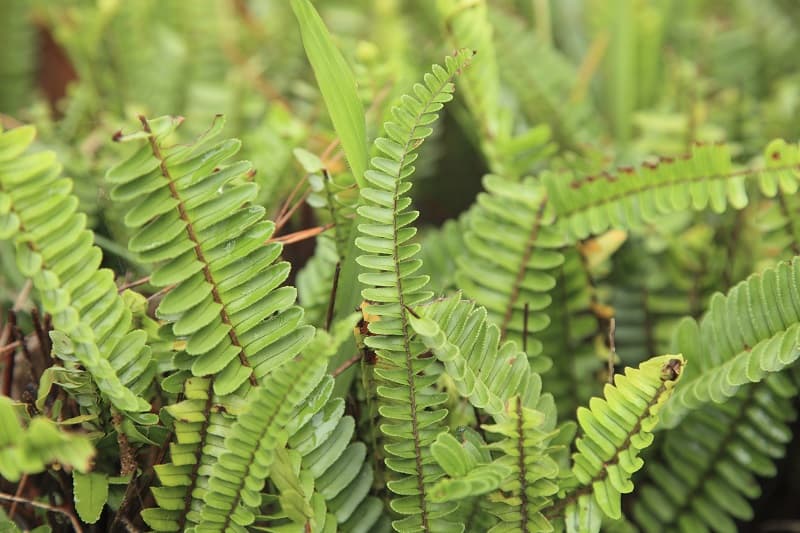
How To Save A Dying Boston Fern?

How To Save A Dying Boston Fern?

Boston ferns are a species of fern of the family Lomariopsidaceae. Also referred to as sword ferns, they thrive in tropical countries around the world. These ferns have sword-shaped, blue-green fronds and can grow up to three feet high. Boston ferns are slow growers, and could also succumb to illness and disease unless treated promptly. 

How to save a dying Boston fern

  1. Water the dying fern and then leave it for at least an hour. Then, knock the pot and run a knife around the rootball. Remove the plant from the pot.
  1. Trim all the dying fronds down to at least two inches, and remove the dead fronds. 
  1. Remove all the dying or dead roots, but leave the healthy ones as they can be revived. 
  1. Prepare a new pot and place a piece of wire mesh in the bottom. Next, fill half the pot with well-draining organic soil.
  1. Replant the Boston fern and fill the surrounding space with potting mix. 
  1. The compost should be moist but not soggy, and should be allowed to dry out between waterings. 
  1. Position your newly-planted Boston fern on a windowsill facing north, where it can get ample sunlight. 

Reasons your Boston fern may be dying

Due to overwatering 

Too much water is a common cause of death in house plants, including Boston ferns. These plants do not like waterlogged soil and if overwatered they will easily deteriorate. Plants that sit in water for long periods or are too saturated with water could develop root rot. Although Boston ferns prefer moist soil, they are not too keen on wet soil. 

Plants suffer from overwatering either through too-frequent watering or through excess water that stays stagnant in the soil. Look out for these overwatering symptoms:

  • The plants are losing vitality and the fronds are drooping. 
  • The soil is always wet.
  • The leaves are turning yellow. 
  • The tips of the fronds are brown-colored. 
  • There is a rotting smell due to root rot.  

To avoid overwatering and root rot, see to it that the pots have drainage holes so that any excess water can easily flow out. Ensure that there is no stagnant water in the pots and never allow the roots to sit in water. 

Reduce watering during winter, since plants do not need as much water in cooler weather. To know when you should water them, check the soil’s top layer: it should be slightly damp, but not dry, before it needs to be watered again. 

Due to underwatering

It is easy to tell if your ferns are dying from underwatering. The soil will be bone dry and the top layer will often be crusted. It is also likely that you will not be able to recall the last time you watered the plants.  

Boston ferns start to dry up first on the tips of the fronds, and the dryness then progresses along the entire fronds. Once they become dried out, the leaves will eventually die and fall off. However, if there is at least one healthy frond remaining, you can still bring your fern back to life. 

Common underwatering symptoms:

  • The soil has been dry for a long time. 
  • The leaves and fronds are drying up.
  • There are lots of fallen leaves around the plants.

Due to pests 

Pests could attack Boston ferns and may kill the plants if they are left untreated. Inspect your plants for signs of pests on the underside of the foliage. Common symptoms of pests in plants include damaged and yellowing leaves, visible signs of pests in the soil or on the plants, and stunted growth.

Common pests that invade Boston ferns include the following:

  • Spider mites 

These pests are hard to spot and are often only noticed when there is already a large infestation. They are hard to see with the naked eye, and if you do see them, you will notice white, black, brown or red flecks moving around. They have a signature webbing that they leave on the plant, which is why they are referred to as spider mites. 

  • Fungus gnats 

These pests are unlikely to kill a plant unless the infestation is severe, but they can destroy the roots. Use sticky traps or insecticidal soap to exterminate them.

Due to incorrect humidity  

Boston ferns prefer high humidity levels, of above 50 percent or more. Occasional changes won’t hurt them, but humidity levels below 50 percent could result in dry fronds and a sickly appearance. If the humidity is too high it could also harm the plants, so ideally you should measure the humidity in your home. 

Due to insufficient light 

Boston ferns do best when exposed to indirect light. If they are in a spot where they do not get enough light, they may become sickly. They will benefit from morning sunlight and indirect afternoon sunlight. 

Due to overfertilization 

Too much fertilizer could damage your plants due to a build-up of minerals and salt in the soil. This can lead to the plants’ leaves drying up and turning yellow, and the growth may be stunted. If left unchecked, this could kill your Boston ferns. To fix the issue, you may have to re-pot the plants in fresh soil. 

Due to the use of tap water 

Although this is a rare occurrence, the use of tap water may harm the plants if it is heavy in minerals or is highly chlorinated. To fix this, opt for filtered water when watering your Boston ferns. 

Conclusion 

Boston ferns are herbaceous perennial plants that are commonly grown as houseplants. However, they are also prone to illness and diseases, and may die unless treated at the first onset of symptoms. You can help revive your Boston ferns by pruning off dead fronds and roots, re-potting them in fresh soil, and ensuring that their watering and humidity requirements are met.

Image: istockphoto.com / jane_chalit

How To Save A Dying Hydrangea?

How To Save A Dying Hydrangea?

Your hydrangea may be dying due to an environmental factor that is causing the plant stress. That factor could be underwatering, frost, light issues, or transplant shock. The first step on the road to successful treatment is correctly diagnosing the cause of the plant’s declining health.

In this article, we will discuss the different reasons your hydrangea may be dying and how to save it.

Why is my hydrangea dying?

It is underwatered

The symptoms of an underwatered hydrangea are wilting and drooping flowers and leaves. The leaves will also turn yellow, and then brown.

Your plant can become underwatered for several reasons: If it is not given enough water, if the soil it is planted in drains too quickly, if there are bigger plants or trees near the hydrangea that are also competing for water, or if it gets too much sun or too much nitrogen fertilizer.

Hydrangeas have a root system that is quite close to the soil’s surface, which is why they need to be watered frequently than other plants, since their roots cannot reach down to access deeper water.

If the soil you planted the hydrangea in is stony or sandy with very little organic content, the soil will drain quickly and the plant may not be able to absorb sufficient water in time.

If the plant is in an area affected often by brisk winds, it can lose a lot of moisture through its leaves, especially if it has no protective covering whatsoever.

Save an underwatered hydrangea by watering the soil around the plant generously. This is important for hydrangeas that are planted next to bigger plants or trees that also need a lot of water.

If the soil is stony or sandy, take the plant out of the pot and add organic material to the soil. Leaf mould and compost also helps the soil around the plant retain water more effectively.

You can add mulch and manure around your hydrangea along with the leaf mould and compost. This mixture will conserve water, add much-needed nutrients, help with the soil’s structure and keep the sun from reaching the soil and drying it out.

Only water the soil when it feels a bit dry. Then, soak the soil so that all of it is watered well and all the plant’s roots get wet.

Too much sunlight

A hydrangea that is getting too much sun will have leaves that are yellow and scorched, and they will look dry even if you are watering your plant regularly.

Your plant can get too much sun if it is planted in an area with no shade. If the plant gets full sunlight for more than six hours, its leaves can get sun damaged.

Hydrangeas live under the tree canopy in their natural habitat, so they do not do well in places with no protection from the wind and sun.

The sun can also dry out the soil around the base of the plant, making the flowers and leaves wilt.

You can diagnose sun damage in hydrangeas if you notice that the leaves that get the most light are the ones that appear to be the most affected, while the parts of the plant in the shade seem to be doing alright.

Remember, however, that even though these plants like the shade, they still need their share of sunlight to facilitate blooming.

Save your sun-damaged plant by transferring it to a spot that has more shade than its current location. You can place it near your porch or under a tree in your yard.

Leaves that have been scorched cannot be salvaged, so you are better off pruning them to preserve the aesthetic of the plant.

Frost damage

The most noticeable symptom of a hydrangea with frost damage is when both the leaves and the flowers of the plant turn brown or black all of sudden.

Frost damage happens when you allow your plant to remain outside in the winter cold without any kind of protection. The new foliage is the most vulnerable to frost damage.

The changes to the color of the plant are almost instantaneous when dealing with frost damage. Usually the mature leaves of the plant do not get frost-damaged, especially if they have become acclimatized to winter weather.

Revive your hydrangea from frost damage by pruning away any foliage that has been damaged. This will encourage the growth of new foliage in the spring and summer.

The frost can damage the buds of the plant, in which case the plant is unlikely to flower in the spring.

Transplant shock

The symptoms of transplant shock are dying, wilting and browning leaves on the hydrangea.

This plant is relatively hardy, but when they are forced to adapt to new living conditions, it can take quite a toll on them.

When you bought your plant from the nursery, it was growing in ideal conditions. You then brought it to your home, which has completely different temperatures, humidity levels, watering schedules and light, all of which are stressful for the plant and can cause transplant shock.

Another cause of transplant shock is planting a hydrangea during the summer. Do not do this, because the new roots can dry out quickly in the heat. Instead, plant a hydrangea in the spring or fall because these are the climates that most encourage the plant to develop its roots properly.

Save your hydrangea from transplant shock by choosing to plant it in the spring or fall, as mentioned above. If you happen to plant it in the summer, try to protect it from the sun and the heat and to water it as frequently as necessary to keep the soil moist.

Also place mulch on the soil to keep it moist.

If the plant is suffering from shock because you have just brought it home from the nursery, the best thing you can do is to try to emulate, as best as possible, the plant’s ideal living conditions.

Conclusion

The reason your hydrangea is dying is that one or more environmental factors are causing it stress. The most common causes of dying hydrangeas are underwatering, too much sun, frost damage and transplant shock. Once you figure out which of these is the culprit, you have a better chance of fixing the problem and saving your plant.

Help revive your dying hydrangea by making sure you give it enough water, protect it from the sun and harsh winds, apply mulch to the soil and to remove any sun- or frost-damaged foliage to promote the healthy growth of new leaves and flowers.
Image: istockphoto.com / Miriam Eikendal-Brugman

Overwatered Aloe Plant

Overwatered Aloe Plant

Aloes are succulents, which means they do not need to be watered often to survive. They have adapted to scarce rainfall in their natural habitat and are able to survive drought by storing water in their bodies. This attribute makes overwatering your aloe plant an easy mistake to make, especially as a newbie plant owner.

Signs such as root rot, and leaves becoming mushy, soft, yellow and droopy, are indicative of overwatering in aloe plants.

In this article, we will discuss the signs to look out for, as well as how to salvage an overwatered aloe.

Signs of an overwatered aloe plant

The signs of an overwatered aloe are leaves turning yellow or brown, and the stem and leaves becoming soft and mushy to the touch. If you see mold growing on the top layer of the soil, that can also mean the plant is overwatered. Brown blisters on the surface of the leaves is a sign that the plant has edema and that the cells in the leaf tissue are too full of water.

Why is my aloe overwatered?

There are different factors that can possibly contribute to your aloe becoming overwatered. As mentioned above, it is easy for new plant owners to be a bit overzealous or think that their aloe needs water every day. This is not true, because aloes are succulents and their natural habitats are some of the most arid and driest places on earth. The last thing they need is to be standing in constantly wet soil.

Poor drainage

One of the most common causes of overwatering is if your aloe’s pot has no drainage holes at the bottom to allow excess water to escape. If the water does not escape, it will keep the soil in the pot damp for longer than is ideal.

When the soil is always wet, the roots of your aloe will drown. The roots need to be able to dry out between watering to get access to oxygen, which they need to survive. If the roots drown, they will die and start to rot, and when a plant gets root rot, it is susceptible to even more opportunistic pathogens that will infect the rest of the plant and possibly kill it.

Your soil is not well-draining

Even if you use a pot that has drainage holes at the bottom, if the soil is too compact and retains water too well, this will still result in the plant getting root rot.

Succulents like soil that is well-draining, so that excess water can drain to the bottom of the pot with no problem. You can buy succulent soil mix, or you can make your own by mixing equal parts gardening soil, sand, and perlite. The sand and perlite make the soil porous and well-draining, and allows more air to move through the soil so that the roots get sufficient oxygen.

Weather

If the humidity around your plant is low, the plant will lose more water and dry out faster, but if the humidity is high, the plant will be much slower to dry out. If you water your plant with the same frequency whether the humidity is low or high, it should come as no surprise if the plant ends up overwatered. 

How do you salvage an overwatered aloe plant?

It is possible to salvage an overwatered aloe vera plant, but it will depend on how much damage has already been done to the plant. If the damage gets beyond a certain level of severity, the plant may not be revived, despite all the measures you take to save it.

Here are some steps you can try to save your overwatered aloe.

First, take the plant out of its pot and shake off as much soil as you can. If there is still soil that cannot be removed by shaking, use a toothpick to dislodge it gently.

Next, dry out the plant by covering the roots with paper. Keep the plant in a garage or in the basement as it dries out. Do not place it under direct light, because the exposed roots may not be able to tolerate the full sun. Make sure that the room where you keep the plant has no heating and the temperature goes no lower than 40 degrees Fahrenheit.

After a few days, the roots should be dry. Inspect all the aloe’s roots and use a sterile pair of scissors to cut off any roots that have turned brown or black. These are the parts that have root rot and need to be removed. Keep cutting until you reach healthy, white roots that are firm and not mushy.

Leaves that have turned yellow or brown are also better cut off than kept on the plant.

Spray fungicide on the healthy roots to give them protection against possible pathogens.

Repot the plant in a pot that is around the same size as its last one, but make sure it has drainage holes at the bottom. If you are reusing the same pot, make sure you wash and sterilize it first so that all the fungi and bacteria are killed. Use well-draining succulent soil that will help facilitate drainage.

Place the repotted plant in a location where it gets bright, indirect light. Do not water it after repotting. Wait at least a week before watering, in order to give the roots enough time to establish themselves and to recover from the trauma of being uprooted and replanted.

Eventually, the aloe will recover fully and grow new foliage from its center.

Conclusion

It is easy to overwater an aloe, because it is a succulent. Succulents do not need very much water, as they are accustomed to living on limited water for long periods of time.

An overwatered aloe will have root rot, leaves that turn yellow or brown, and droopy, mushy foliage because of all the excess water in the plant tissue.

Avoid overwatering your aloe by planting it in a pot with drainage holes, using well-draining soil that allows excess water to flow easily out of the bottom of the pot.

Water the aloe only when the top two inches of soil are dry to the touch. If the soil is still damp, wait one or two days and check the soil again.

Image: istockphoto.com / Sundaemorning

How To Save A Dying Tomato Plant?

How To Save A Dying Tomato Plant?

Tomato plants, known scientifically as Solanum lycopersicum, originated from western South America and Central America. These flowering plants, of the nightshade family Solanaceae, are grown for their edible fruits which are a good source of vitamin C and lycopene. Tomato plants prefer warm weather with a lot of sunshine, and are considered hardy. However, they are also prone to problems and diseases, and could die if the cause of the problem is identified and remedied in time. 

How to save a dying tomato plant

To save your dying tomato plants,  first check that you have been providing everything necessary for their healthy growth. These plants need about four hours of regular sunlight daily to survive, and with too little sunlight  the leaves will wilt and fall off.  

Make sure that the plants are watered enough and regularly. Tomato plants should get at least one to two inches of water, and should not be watered again until the topsoil is only slightly moist. Over- or underwatering the plants could cause wilting and the leaves may fall off, so always be mindful of your watering schedule. 

Your plants also need to be receiving the right nutrients. Important nutrients are NPK, or nitrogen, phosphorus and potassium. Add fertilizers that are NPK-rich a week before planting the tomato plants, and regularly during the flowering and fruit-bearing periods. 

You can add this fertilizer directly to the soil. Signs of recovery should be observed in just one week, since tomato plants can recover quickly from nutrient deficiency. Add only the recommended amount of fertilizer for the plants, regardless of the damage that has been done. You should not over-fertilize since tomato plants are sensitive to nutrients. 

If the above measures do not seem to be helping to save your dying tomato plants, try transplanting them as a last resort. Transplanting has been proven to eradicate root rot. Remove the plants from the soil, clean the roots, and prune off any damaged or rotten roots. Handle the roots with care, and be careful not to damage the healthy parts of the roots. Finally, repot the tomatoes in a fresh compost mix and make sure that the pots or planters have drainage holes.

It is normal for the plants to wilt after transplanting them. Wilting may just be the plants’ way of adjusting to their new habitat, and they can get back into good shape after a few days. 

Other possible causes of dying tomato plants

If your tomato plants look sickly and wilted, it could be due to pests and insects. Examine the leaves frequently for pests. Common pests that attack tomato plants include tomato hornworms, red spider mites, stalk borers and green spider mites. 

Spray the plants with a strong blast of water daily for a few days. This will remove pests like aphids, mites and other small pests. Apply insecticidal soap mixture to prevent re-infection. Predator insects like ladybugs can also keep the pests at bay. 

Tomato hornworms and stalk borers can be removed manually and dropped into a bucket of soapy water. Examine the plants regularly, since pests tend to return.

Aside from monitoring your plants for pests, you should also learn to identify the common diseases of tomato plants. If you notice that they tend to wilt during the daytime but recover at night, it could be due to fungal diseases such as Verticillium wilt or Fusarium wilt. These are caused by soil-dwelling fungi and to avoid damage to the plants you should apply fungicides at once. Early detection can save your plants from dying of fungal diseases.
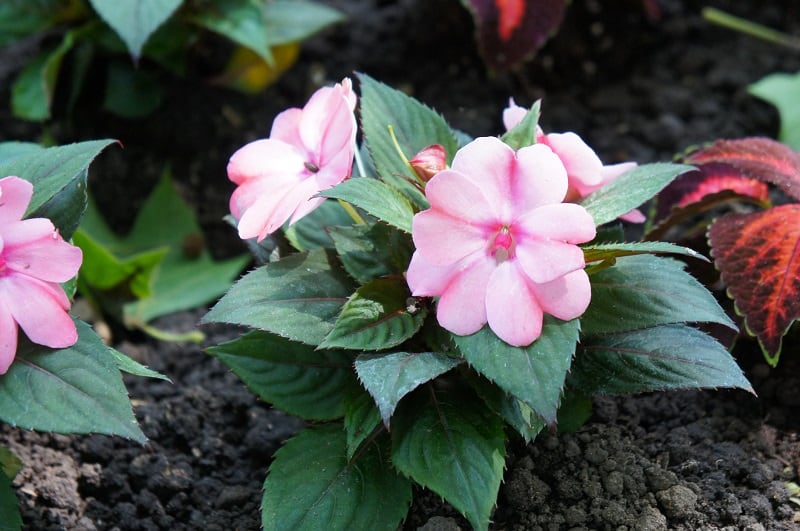
Signs of a dying tomato plant 

  • The leaves are wilting and turning yellow.
  • The stems are beginning to collapse. 
  • The leaves are dry and crisp. 
  • The discoloration has spread to the stems.

Precautions to take if you have a dying tomato plant 

If you notice that your tomato plants are dying, move them away from other plants at once. Do not compost dead tomato plants; most tomato diseases can survive in plant debris over the winter season. Dispose of the dead plants, including their soil, to avoid the spread of disease to the new crops you plant in that area. 

Conclusion 

Tomato plants are widely cultivated for their edible fruits, which are used for food and cooking purposes. They are considered hardy plants, but are also prone to diseases. The common signs of a dying tomato plant include wilting and yellowing leaves, and collapsing stems. Make sure that the plants are watered regularly and fed with nutrient-rich fertilizers, and if all else fails you may have to transplant them using a new compost mix and a clean pot with good drainage holes.

Image: istockphoto.com / FotoDuets

How To Save A Dying Walnut Tree?

How To Save A Dying Walnut Tree?

If a walnut tree is dying, it is likely due to an environmental factor affecting the overall health of the tree.

The most common causes of a dying walnut tree are diseases, pests and overwatering.

The first step in saving your dying tree is to correctly identify the cause of the problem. Once you have diagnosed the condition, you can quickly proceed with the appropriate treatment.

In this article, we will discuss the different causes of a dying walnut tree, and how to save it.

Why is my walnut tree dying?

Diseases

Armillaria root rot

This is also known as oak root fungus, and it causes the leaves of the walnut tree to become discolored and drop off prematurely. You will also notice honey-colored mushrooms growing on the base of your tree. Eventually branches will start to die, until the entire tree succumbs to the disease.

The fungus that causes the disease lives in the soil and waits for the opportunity of the tree’s roots becoming rotten, which it can then feed and survive on. 

Unfortunately, Armillaria root rot cannot be controlled, especially if it has already seriously affected the tree. You are better off uprooting the tree and disposing of it properly. If you do plan on replacing the walnut tree, choose a resistant rootstock to prevent the disease in the future.

Anthracnose

This is a fungus that causes brown or black lesions to appear on the foliage. The lesions tend to fade toward the center, with a yellowish halo. As more lesions form, they will grow into one another and coalesce to form patches near the margins of the leaves.

You can control anthracnose by using a fungicidal spray, removing the tree debris from around the tree, avoiding overwatering, not planting the trees too closely together, and feeding the tree properly and regularly.

Powdery mildew

This disease is also caused by a fungus. In this case, white, powdery spots will start to appear on the foliage and on the fruit. The young leaves will also crinkle as they grow older if the tree has powdery mildew.

This disease, like most fungal diseases, emerges in conditions of moderate temperatures, insufficient sunlight and poor air circulation.

Blackline disease

This viral disease makes the walnut tree lose its vigor, which is noticeable when the leaves turn yellow and start drooping. The leaves will then start to drop off and the terminal shoots will die back.

This disease most likely infects the tree through infected pollen or infected graft wood.

Prevent the virus from infecting your trees by making sure your graft is virus-free. If your tree does become infected, remove it as soon as possible so that it does not spread to your other trees.

Crown gall

This bacterial disease causes galls of all sizes to grow on the walnut tree’s root and root crown, and will then make its way to the trunk. At first, the galls are smaller and lighter in color, but they will eventually become bigger and darker. Over time, the galling will become so serious that the tree’s constricted vascular tissue will cause its growth to become stunted, and the tree might die.

The pathogen infects the tree through wounds on the surface and disrupts the plant’s cells, making them proliferate and become undifferentiated, which leads to the formation of the gall.

Avoid the disease by using well-draining soil and disease-free stock, and try as best you can not to wound the tree.

Walnut blight

This disease presents itself as spots on the tree’s fruit that tend to enlarge and darken. It is important to know the time of infection, because if the bacteria are present before the walnut shells harden, the kernel inside will be affected.

The bacteria will weather the winter inside the dormant buds of the walnut, and when the bud breaks the following year, they will once again infect the fruit and leaves.

Remove the blight by using bactericides that contain copper once a week, especially during wet weather, in order to protect new growth.

Phytophthora rot

When your walnut tree has phytophthora rot, its growth is affected and the leaves will turn yellow and begin to wilt. The branches will die back. If the rot is in the root crown, the tree will likely die within the season. This is because the roots have become rotten. In severe cases, cankers will develop on the root crown and even extend above the soil line. The cankers have discolored bark and will have a zonate appearance underneath the bark.

The infection is encouraged by waterlogged soil and contaminated water, soil and plants.

Pests

Walnut gall mites

This species of mite cannot be seen by the naked eye. These tiny insects feed on the leaf’s tissue, especially during the summer. This results in blisters forming on the top of the leaf and orange masses on the underside of the leaf.

Get rid of the mites by spraying the tree’s leaves with water to dislodge. Wet leaves also discourage the mites from attacking them. If certain branches have been seriously affected, it is best to prune them away.

Codling moth

This insect will find cracks in the bark or space under the leaves, and will burrow into the soil during the winter. They will lay eggs near or on the fruits of the walnut so that their larvae can penetrate the fruit and feed on the kernel for nutrition.

Aphids

These insects travel easily from one tree to another. They form colonies on the underside of the leaves and feed on the juices of the plant. The tree can become stressed to the point where it becomes less resistant to other opportunistic pathogens.

Overwatering

Many of the abovementioned diseases or infestations owe their success to the ill effects of overwatering.

Walnut trees appreciate the occasional watering, as long as the soil they are planted in is well-draining. This means that any excess water that passes the tree’s roots will simply flow out through the soil. If the soil is not well-draining, the roots will be left to stand in stagnant water and the roots may drown and die. When the roots die, they are compromised, and pathogens and pests will have an easier time attacking the tree.

How do I save a dying walnut tree?

If you have narrowed down the possible cause of your dying walnut tree, treatment will become much easier.

First, check the tree’s soil to make sure that it is rich and well-draining. Make sure the tree gets full sunlight or at least only partial shade. Six to eight hours of sunlight is what the tree needs to thrive.

Water your tree once a week when it is still young during the warmer months. Give it up to five gallons of water each time for the first four months.

Walnut trees love plenty of nitrogen in the soil, so make sure the fertilizer you are using has plenty of nitrogen and add phosphorus and potassium as well.

If you grow multiple walnut trees and notice that one of them is infected with a disease, it is best to consider the well-being of the majority of the trees and to sacrifice the infected tree by burning and burying it.

Generally, if you are still not sure whether or not your walnut tree is truly dying, you can wait it out one more season to be really sure if anything is wrong with it.

Prune the tree during the winter when it is dormant, right before the leaves drop. Prioritize the removal of diseased, damaged and dead branches.

Conclusion

Your walnut tree is dying because there is an environmental factor that is causing it stress. Identify the cause of the problem to make treatment easier and faster.

The most common reasons your walnut tree may be dying are diseases, pests and overwatering.

Walnut trees are one of the easiest kinds of tree to grow in your backyard, so as long as you keep your eyes peeled for any possible problems and catch them in their early stages, you should have no problem growing this tree.

Image: istockphoto.com / Fotofreak75

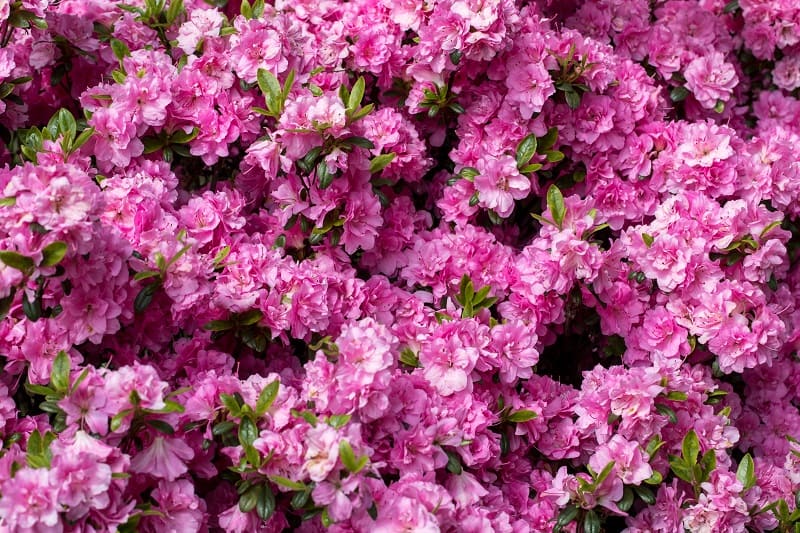
How To Save A Dying Azalea Bush?

How To Save A Dying Azalea Bush?

Azalea plants, of the genus Rhododendron, are flowering shrubs that bloom in the spring. The flowers last for several weeks. These plants, grown as ornamentals, are shade tolerant and prefer to live near or under trees. Like most plants, they are also prone to problems and diseases that could lead to their death unless the cause of the problem is treated in time. 

How to save a dying azalea bush

To save a dying azalea bush, first try to drench the plant’s soil with salt-free water. This will help clear out any build-up of salts and fertilizers that have accumulated around the plant’s roots. If you have potted azaleas, fill the pots to the top with water but make sure it drains freely. This should be done several times daily. 

A fish emulsion can be applied to help revitalize dying azalea plants. Spread compost over the root system and use mulch to keep the soil moist. If the plants do not have mulch and are not watered on hot, dry days, the leaves will get burned and the plants may eventually die. 

Other things you can do to save a dying azalea bush

Re-pot the plants 

Revitalize the dying plants by repotting them in a high-quality potting mix. Choose wider pots and, if the plants are dehydrated, add some water-restoring crystals.

Trim the plants

Trim back the leaves, especially if there is damage to the roots. This means the roots won’t have to work so hard to sustain a large amount of foliage. 

Move the plants 

If the plants are not getting enough light, the leaves will be noticeably pale and small. Inversely, plants getting too much sun will have dark patches and dry, brittle leaves. Move the plants to a more suitable spot with better light conditions. 

Water the plants

If the plants have droopy or dying leaves, they may be dehydrated. Water the plants until the soil feels damp, but see to it that water does not flood the soil to avoid root rot. Provide just enough water for the plant’s needs and water more sparingly during the winter months. 

Feed the plants

Provide the appropriate fertilizers, taking care to follow the manufacturer’s directions. 

Reasons your azalea bushes are dying

You may be watering the plants incorrectly. 

If you are overwatering your azaleas it could create soggy soil which makes the plants prone to root rot. Meanwhile, underwatering leads to dehydration and the leaves will turn yellow and fall off. To avoid watering issues, perform a finger test by inserting one finger into the soil to a depth of about four inches. If the soil is dry at that depth, water the plants with at least one gallon of water during the early morning.  

After three days, test the soil again. If it is dry at a depth of four inches, you need to water the plants again. 

Since azaleas prefer acidic soil, you should water them with rainwater. This is more acidic than tap water and will promote the conditions that the plants thrive in. 

It could be due to a lack of nutrients in the soil. 

Potted azaleas tend to suffer more nutrient  deficiencies than those planted in the ground. With limited nutrients, the plants are unable to produce the usual number of blooms and also tend to have stunted growth. Apply azalea fertilizer in the spring; this contains an optimal balance of nutrients and contributes to the acidic soil conditions that the plants need to absorb nutrients. Also, re-pot the plants every few years to provide nutrient-rich soil.

It could be due to lack of, or too much, sunlight.

Azaleas thrive in partial shade, and exposure to full sun will burn their tender leaves. Being in full shade, on the other hand, may result in fewer blooms and less foliage with a spindly appearance. There should be an optimal balance between light and shade in your chosen location. 

These plants love the dappled light under a tree canopy, as this mimics their natural habitat.  Four hours of morning sun with shade in the afternoon provides the perfect balance and protects the plants from the midday sun. Indoor azaleas should be moved to a sunny window that allows direct sunlight for at least four hours daily. 

It could be due to high indoor temperatures. 

Azaleas cannot tolerate areas that are too hot, or where there are radiators or drafts from air conditioning units. If they are exposed to these conditions their leaves may curl up and their flowers will droop. Erratic temperature changes could also cause the plants stress and result in droopy or wilting foliage. 

To prevent plant stress, position the plants away from sources of heat or air currents. Water them frequently so that the soil is moist but not waterlogged. 

You may be planting the azaleas too deep in the ground. 

Azaleas become unhealthy when they are planted too deep in the ground. Their leaves will droop, become brown and eventually fall off. Ideally, plant them so that the original top of the root ball is slightly higher than ground level. If your plants look unhealthy, try planting them slightly higher in the ground.

It could be due to fungal infections or pests.  

Fungal infections like root rot are contagious and could damage the plants. Root rot is characterized by droopy leaves that curl and turn brown, eventually falling off the stems. To control the disease, prune away affected branches and leaves and improve soil drainage. Treat the soil with a fungicide to prevent reinfection. 

Twig blight is also a fungal infection, and causes leaves to turn reddish-brown and drop off. Scratch into the bark at two-inch intervals to check whether you can still see traces of green. Prune the dying branches at least two inches proximal to where the green part ends, to make sure that the infection is removed. Dispose of, but do not burn, the infected branches, since the smoke could help spread the infection to other plants. 

Pests like mites attack azaleas and suck the juice out of the plant tissue. The plants will be weakened and might die, especially if there is a large infestation. Treat the plants with insecticide and prune off the infected leaves and branches to eradicate the pests. 

Conclusion 

If you act in time, there are ways you may be able to save a dying azalea bush and restore it to full health. Start by ensuring appropriate fertilization and the correct watering schedule. Prune your azaleas and provide mulch to keep the soil moist. Ideally, you should also re-pot the plants using a high-quality potting mix to revitalize them. 

Image: istockphoto.com / wjarek

How To Save A Dying Coleus

How To Save A Dying Coleus

If your coleus is dying, it means that there is an environmental factor that is causing the plant stress.

The first step in saving a dying coleus plant is to correctly determine the cause of the plant’s declining health, so that the treatment can be specific and seamless.

The most common reasons your coleus may be dying are overwatering, underwatering, not enough nutrients, being root bound, low humidity, mildew, not enough sunlight and too much sunlight.

In this article, we will discuss the possible reasons your coleus is dying, and how to save it.

Why is my coleus dying?

Overwatering

One of the most common mistakes made by coleus owners, or plant owners in general, is giving their plant more water than it needs. When a coleus is overwatered, the first noticeable sign is that the leaves will turn yellow. They will then turn brown if you let the problem go on for longer. This means the roots have begun to rot and are starting to affect the rest of the plant.

Coleus plants do not like too much sun. They prefer to be placed in the shade. Unfortunately, in the shade, the soil is not able to dry out very quickly; if you overwater the plant, the sun will be unable to help the drying process. This is even more serious in cases where the soil in the plant’s pot is not well-draining, or if the pot does not have drainage holes at the bottom.

If you suspect an overwatered coleus, you can save it by removing the plant from the waterlogged soil and checking its roots. If there are brown or black roots, they are rotten and you need to remove them using sterile scissors. Make sure you disinfect the scissors after each cut so that the healthy roots do not get infected by any opportunistic pathogens.

Lay the plant on a tray lined with a paper towel to allow it to air dry for a couple of hours. When the plant is dry, you can replant it in a pot with drainage holes at the bottom, using well-draining soil. You can improve the drainage in gardening soil by mixing in compost or sand. These materials will make the soil more porous and airy.

To avoid overwatering, know how to water your coleus correctly. Before watering, check the soil by touching the top inch. If the soil is dry, water the coleus, but if the soil is still damp, wait one or two days and check the soil again.

Underwatering

When a coleus is underwatered, its leaves will also turn yellow. But instead of being droopy as in the case of overwatering, the leaves on an underwatered coleus will be dry. Underwatering may not be as fatal to the coleus as overwatering, but you should still never allow the soil to dry out for long periods of time.

Saving an underwatered coleus simply requires you to generously soak the plant until you can see the excess water flowing out of the drainage holes at the bottom of the pot. Make sure all of the soil has been drenched so that all the little roots will be reached by the moisture.

Remove any dried foliage to preserve the plant’s aesthetic. When the plant has perked up, you can resume watering it regularly. Before watering, touch the top inch of soil. If it is dry to the touch, you can water the plant; if the soil is still damp, wait a few more days.

Lack of nutrients

The coleus’ can also die if it does not get the nutrients it needs to survive, and again, its leaves will turn yellow in this case. You can get the soil tested if you suspect a nutrient deficiency in your plants. You can try adding compost to the soil to enrich it, or you can simply replace it with fresh soil. When the soil in the pot has been the same for several years, the nutrients will become depleted and affect the plant.

You can also apply fertilizer to the plant; just make sure it is a slow-release fertilizer so that the plant does not get overwhelmed.

The roots are bound

Another reason why your coleus may be dying is if the roots have become bound around themselves, usually because the pot it is in is too small. This is most obvious when the roots start to spill out of the top of the pot. A root-bound coleus will turn yellow and stop growing unless you transfer the plant to a bigger pot.

Take the plant out of the soil and massage the roots gently to untangle them. Make sure the new pot is two inches taller than the old one so that the roots have plenty of room to grow into.

Low humidity

Coleus plants do not like the humidity around them to be too low, and this can result in browning leaves and, ultimately, death. They do well in parts of your house that are more humid, like the bathroom or the kitchen. You can also mist the leaves with water from a spray bottle so that the foliage does not dry out too quickly.

Another trick is to put a water tray next to the plant. As the water evaporates, the humidity around the plant increases. Arranging other plants quite close to the coleus also creates a microclimate for the plant with increased humidity.

If none of these works, you can always purchase a humidifier to do the job of keeping the plant’s surroundings humid.

Mildew

Another reason why your coleus may be dying is because of mildew. This fungal disease causes the plant’s leaves to curl and droop. The spores of the fungus are purplish gray and found under the leaves, where you will also see the lesions caused by the fungus. Eventually, these damaged leaves will fall off. Be careful when handling the plant so that the spores do not spread to your other plants.

Make sure you place the plant in quarantine when treating it so that the infection does not spread. Inspect the leaves and remove those that are damaged or have spores on them. Make sure you dispose of the cuttings properly. If you can burn them, all the better. Do not throw them in the compost, because the spores can lay dormant until you apply the compost as fertilizer on new plants, which it will then infect.

When watering, do not water from the top of the plant, as the water splatter can transport the spores to neighboring plants. Water the plant directly at its base, wetting only the soil around the plant.

You can use a fungicide to kill the mildew. You may need to apply it several times to make sure that all of the spores have been killed.

Too much sunlight

The coleus’ colors will become dull and pale if they do not get enough sunlight. Plants need sunlight to make their food, so if  they are deprived of sunlight for too long, they will start to die slowly.

To remedy this, transfer your plant to a spot where it can get about five hours of sunlight every day. If there is very limited light, especially during the winter, you can buy a grow light to help the plants.

Too much light

If the coleus gets too much light it will get sunscald, where the foliage turns white from the intense light. This happens because the chlorophyll in the plant’s leaves breaks down, making the leaves pale.

Remedy this by moving the plant to an area where it can get shade during the times of day when the sun is at its brightest.

If you place the plant near a window, move it away a few feet so that the light does not hit the plant directly.

Conclusion

Your coleus is dying because there is an environmental factor that is causing it stress. The first and most important step in saving the plant is to correctly identify the root of the problem so that you can treat it accordingly.

The most common causes of a dying coleus are overwatering, underwatering, not enough nutrients, the roots being bound together, low humidity, mildew, not enough sunlight, and too much sunlight.

Image: istockphoto.com / Srdjan Stepic

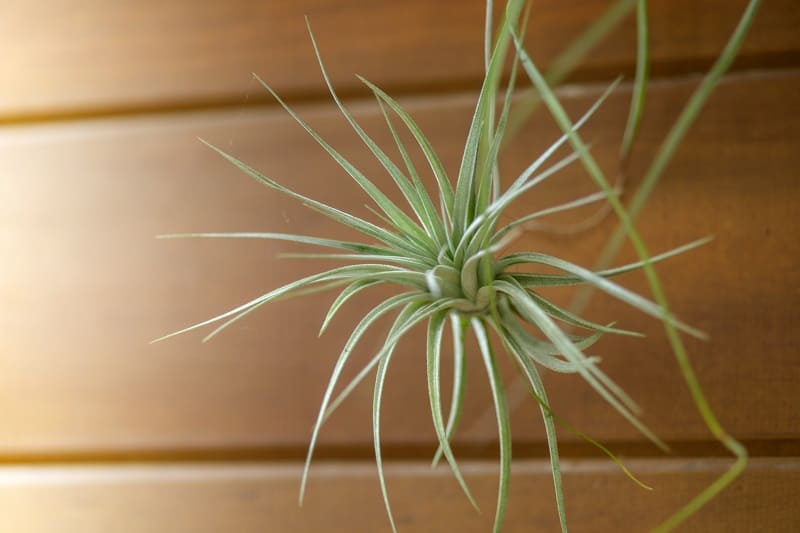
How To Save A Dying Air Plant?

How To Save A Dying Air Plant?

Air plants, also referred to as Tillandsias, are members of the Bromeliad family. These plants are epiphytes, meaning they do not need soil to grow and that in nature they grow on other plants, such as on tree branches. Air plants come in several varieties and usually have strap-shaped or slender triangle-shaped leaves growing in a rosette pattern, with new growth from the center. They are native to the deserts of Central and South America and, like most plants, can also succumb to sickness and may die unless treated promptly. 

How to save a dying air plant

Soak the air plants overnight.  

Soaking the plants should be your first action, as this is generally the most effective way to revive air plants. Submerge them underwater for at least six to eight hours to give them enough time to absorb the moisture and nutrients. However, the best is to soak the plants overnight.

Pour lukewarm water into a big bowl that can accommodate an entire air plant. The water level should be one to two inches below the bowl’s lip to provide enough hydration. Submerge the affected plants in the water and keep them submerged. To stop them floating to the surface, tie the plants to rocks or pebbles to keep them underwater the whole night. 

The warm temperature gives the plants a gentle bath and revives them. Maintain a temperature of 65 to 75 degrees Fahrenheit and, after soaking them overnight, remove them and allow them to dry for four to five hours in a well-lit area. This is to ensure that the plants do not stay damp. 

Lie the plants on paper towels to help them dry out and get rid of the moisture. Having a fan on medium-low to dry the plants is also helpful. 

Check for leaf curling around three days after soaking them overnight. If you notice signs of curling, repeat the soaking process.  Submerge the plants for two to three days until they no longer appear sickly or dry. By this time, the plants should have regained their natural color. 

Once you see that the plants are revived, limit the soaking to once a week, or every two weeks, for a duration of around 20 minutes. However, if the weather is humid, avoid soaking them. Reduce the frequency during winter, as the plants do not need much hydration during this time. 

You can also spray your air plants with a liquid fertilizer once every two weeks or so. The frequency will depend on the climate in your area. By doing this, you will help promote plant growth and vitality. The results are usually visible in a matter of days.

Eliminate dead leaves. 

Another way to help revive your dying air plants is to remove the dead leaves. Allowing dead leaves to stay on the stems could restrict the absorption of sunlight and limit air circulation around the remaining live leaves. Gently pull on the leaves; if they are brown and dead they will come off easily. 

However, if your pulling causes the plants to fall apart, it could mean that the plants have already died. Check whether there are remaining healthy leaves; if not, you need to dispose of the plants. 

Plucking the dead leaves could also keep pests away, since these insects are attracted to decaying leaves. The situation becomes more problematic if the healthy green leaves also become damaged by the pests. 

Tips to keep your air plants alive  

Remove the chlorine from water.

Eliminate the chlorine from your tap water by leaving the water in a bowl for 24 hours before using it, so that the chlorine evaporates. 

Dip the air plants in a container filled with water.

Allow the air plants to sit in a container full of water for a few hours, hours especially during dry weather conditions. This is better than just spraying the plants every few days. 

Air-dry the air plants after soaking them. 

Air plants should be dried completely after soaking. Shake off excess water and place them in bright light for at least four hours. Make sure to dry off the air plants completely to prevent the development of stem rot. 

Place your air plants in a bright spot or under indirect sunlight. 

Areas with bright, filtered light or indirect sunlight are ideal for indoor air plants. The plants need direct sunlight, especially during the early morning, but they should not be left under the full sun the whole day. Try to replicate the living conditions of rainforest plants so that your air plants will thrive. 

Feed your air plants with the right type of fertilizers. 

Apply fertilizers like low-nitrogen bromeliad fertilizer to encourage blooming. However, do not apply too much, as this could burn the leaves. 

Maintain a nice, cozy temperature. 

Provide a balanced and cozy temperature for your air plants. Ideally, they should be kept in an area with temperatures ranging from 50 to 90 degrees Fahrenheit. See to it that the temperature is neither too hot nor too cold; air plants do not survive in freezing temperatures.

Sanitize your pruning shears before cutting dead leaves. 

Disinfect your pruning shears by soaking them in a solution of water and alcohol before you cut off dead plant parts. This is to ensure that no bacteria from the blades can spread to the plants. 

Provide ample air for your air plants.

See to it that there is good air circulation, since enclosed vessels or containers could encourage wet and stagnant conditions. Choose glass terrariums that have wide openings, like fishbowls. Make sure to dry the air plants completely before placing them inside glass vessels. 

Conclusion 

Air plants are drought-tolerant plants that can survive without soil, since they can grow on other plants, such as on tree branches. These epiphytes have slender leaves and add beauty to your home, but they are also prone to diseases and watering issues. You can save your dying air plants by soaking them overnight in lukewarm water, removing dead and decaying leaves, and preventing pests from invading the plants.

Image: istockphoto.com / Linjerry

How To Save A Dying Cedar Tree?

How To Save A Dying Cedar Tree?

Cedar trees are a genus of coniferous trees of the family Pinaceae. These trees are native to the mountains of the western Himalayas and the Mediterranean region. They are easy to grow and most species are decay- and insect-resistant. However, cedar trees can still be prone to infections and may end up dying unless prompt attention and treatment are given. 

How to save a dying cedar tree

Ensure correct watering techniques. 

Dying cedar trees could be attributed to poor watering practices. This could be either overwatering or underwatering. If the weather has been hot in recent days, make sure to water the soil deeply around the trees. Also see to it that the area where the trees are planted has sufficient drainage, because waterlogged soil can be harmful to your trees. 

Sprinkler systems are an ideal way of ensuring that moisture reaches all of the roots.

Provide mulch to protect the trees from extreme temperatures and diseases. 

Add mulch to your cedar trees to protect them from weeds, pests, diseases and soil erosion. It is also a big help in keeping the trees alive in extreme hot or cold temperatures. However, do not go overboard with the mulch, since too much can suffocate the root system. The layer of mulch at the base of the trees should not be too thick, and should not come into contact with the trees’ trunks. 

Use fertilizers appropriately. 

Too much of a good thing can be fatal, and this also applies to fertilizers. Excessive fertilizer could be a health hazard for your trees. Contact your local arborist or nursery for the proper instructions on fertilizer application. This will help bring your dying trees back to good health.

Prune the trees properly. 

Prune away any dead or damaged branches and twigs. Destroy the clippings to prevent possible diseases from spreading to other plants. Pruning protects the trees from diseases and pests, while also promoting healthy growth. 

Possible reasons your cedar tree is turning brown or dying 

Fungal diseases

If you notice small, black holes in the foliage, it is probably a fungal disease. Get rid of contaminated branches so the infection does not spread. Spray with a fungicide or contact your local arborist regarding the proper procedures for eradicating fungal diseases.

Pests

Pests like aphids and crawler mites could attack cedar trees by sucking and feeding on the plants’ juices. Examine the foliage to determine the presence of aphids, which are green, blackish, brownish or orange-colored. Crawler mites are red, brown or yellow. Eradicate these with insecticidal soap, neem oil or pesticide.

Drought stress 

Cedars are shallow-rooted trees and are thus at risk of drought stress, especially those planted in well-draining, sandy soil. The erratic changes from damp soil during the winter months to dryer soil during the warmer seasons could be stressful for the roots. Mulching could help maintain moisture, but ensure that the soil is not waterlogged to avoid the development of root rot.

Ring-barking, or girdling

Another reason for dying cedar trees is girdling. This can obstruct the transport of nourishment from the leaves to the roots, which is an important function of the layer just below the bark. If nutrition is not transported throughout the trees, they will suffer and may eventually die. 

Too much or too little fertilizer

Too much or too little plant food, or fertilizer, could also create an impact on the cedar trees’ health. Applying fertilizer at least three times during the growing period should be sufficient. Follow the directions on fertilizer application to ensure that it reaches the roots. Do not feed during the late summer when the trees are preparing for winter dormancy. Ideally, fertilize with nitrogen and phosphorus to provide a springtime boost. 

Root rot

Fungal diseases like root rot could develop if the trees are standing in waterlogged soil. To prevent this, ensure that the area around the trees has good drainage to avoid stagnant water in the soil.

Conclusion 

Cedar trees are strong and durable coniferous trees, native to the mountains of the western Himalayas and the Mediterranean. They are decay-resistant and pest-repellent, but are still prone to diseases, just like most plants. You may be able to help save your dying cedar tree by adjusting your watering schedule, adding mulch to protect the tree from extreme temperatures, fertilizing appropriately, and pruning affected leaves and branches to encourage new growth.

Image: istockphoto.com / apugach

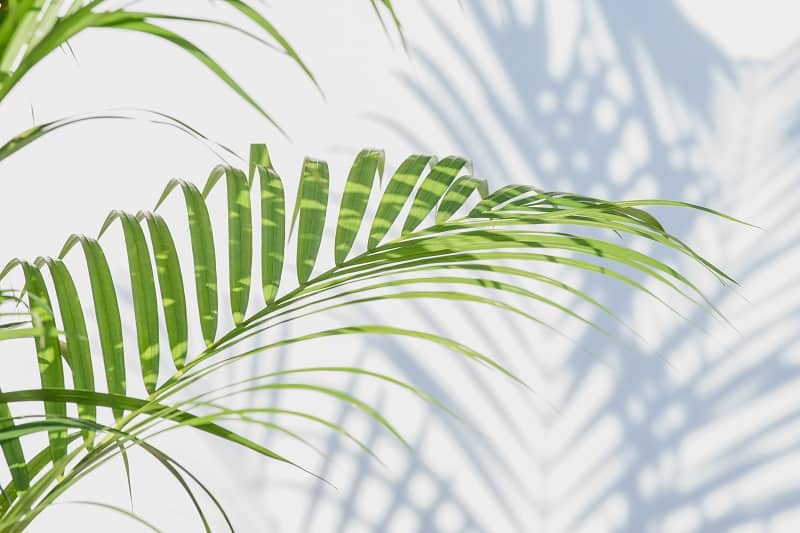
How To Save A Dying Areca Palm Plant?

How To Save A Dying Areca Palm Plant?

Areca palms, with the scientific name Dypsis lutescens, are a flowering species of the family Arecaceae. These palms are native to Madagascar and can grow up to seven feet tall. They are also referred to as golden cane palm, yellow palm and butterfly palm. Healthy specimens can live as long as 10 years, but these plants are also prone to diseases and other issues that may cause them to die if not promptly addressed. 

How To Save A Dying Areca Palm Plant

Pull out any decaying or dead fronds. 

Remove any brown or yellow-colored fronds from the plant using pruning shears. Make sure you do not rip them off the palm tree manually; rather cut them off at the trunk. Dispose of the dead leaves in the garbage. 

Transfer or repot the dying Areca palm. 

Closely inspect the roots of your dying plant by removing most of the dirt from the roots so that only the root ball remains. If it has root rot, cut away the affected roots, leaving just the healthy ones, and replace the soil with fresh potting mix. Dispose of the infected soil and sterilize the pot before reusing it.

Position your palms in a good spot. 

Place your dying palms in a location where they can receive ample sunlight. However, if they have brown leaves or burns on the tips of their leaves, it could indicate sunburn. In this case, place them in an area at least eight feet away from direct sunlight, or better yet, expose them only to filtered light.

Maintain the correct temperature. 

Dying Areca palms should be closely monitored and the temperature should be kept between 60 to 65 degrees Fahrenheit at night and 75 to 85 degrees Fahrenheit during the day. To monitor the humidity, use a hygrometer for accurate measurement. 

Water the plants correctly. 

If your palms are dying because of root rot or infected soil, refrain from watering them for at least a week. If it was due to dehydration, on the other hand, water them with at least one to two gallons of water so that the roots become hydrated again. Areca palms cannot tolerate waterlogged soil, so make sure that the pots have drainage holes to avoid stagnant water. Use peat moss or perlite in your topsoil for improved drainage. 

Check for pests. 

Dying plants that are turning yellow and becoming droopy could be an indication of pest infestation. Check the plants for any presence of pests like spider mites, aphids or scale insects. Treat the plants by spraying insecticidal soap or rubbing the leaves with neem oil. 

Provide high-quality fertilizers.

 Revive your dying Areca palms by adding high-quality fertilizers to the soil. Just make sure to limit its proximity to the roots; maintain a distance of two inches to avoid the risk of burning the roots.

Possible Reasons Your Areca Palms Are Dying 

Due to too much sunlight.

Areca palms are likely to wither and die because of too much exposure to the sun. This rarely happens among indoor plants, but always take precautions and ensure that the palms are not soaking up too much sunlight.  

Due to too little sunlight.

Areca palms that have brown fronds are likely to be suffering from insufficient sunlight. Take them out from their shaded spot and place them in an area where they can enjoy the sun for at least a few hours a day. 

Due to too much pruning. 

Areca palms do not require very much pruning. Cutting or pruning the fronds too often could limit the growth of future fronds. These plants are monocots with a single-seed leaf, and there is a terminal growth bud from which the fronds sprout if the palm has one trunk. 

Due to overwatering. 

Areca palms also tend to wither and die if they are overwatered. They could develop fungal diseases like root rot and Phytophthora. The stems will become discolored and the leaves will turn brown and die. See to it that you are watering the plants just enough, since too much watering could result in waterlogged soil. 

Due to underwatering.

Just as overwatering can kill the plants, not watering them enough could also damage them. The leaves will dry out and eventually fall off the stems. 

Due to nutrient deficiency. 

Areca palm plants could suffer from frizzle top because of nutrient deficiency. This is a condition where new leaves become distorted, yellowed and frizzled, due to a deficiency of nutrients like manganese. To fix this, use a slow-release fertilizer to nourish your plants with manganese. 

Conclusion 

Areca palm plants are popular indoor plants because of their appealing foliage. These plants add aesthetic value to your rooms or corporate offices but, like most plants, are also prone to problems and diseases. They could end up dying unless you revive them by optimizing their growing conditions. This includes maintaining the right room temperature, watering them correctly, removing dead foliage and nourishing them with a high-quality fertilizer.

Image: istockphoto.com / lamyai

How To Save A Dying Bottle Brush Tree?

How To Save A Dying Bottle Brush Tree?

A dying bottle brush tree is most likely suffering from stress brought about by an environmental factor that is negatively affecting.

In order to save the dying bottle brush, the first step is to correctly identify the cause of the problem. If you can do this, you will be able to provide faster, more specific treatment.

The most common reasons your bottle brush tree is dying may be iron chlorosis, scale insects, Verticillium wilt, cold temperatures, insufficient sunlight and callistemon sawfly.

In this article, we will discuss the possible reasons your bottle brush tree is dying, and how to save it.

Why is my bottle brush tree dying?

Iron chlorosis

If the leaves on your bottle brush are turning yellow, this is most likely due to iron chlorosis. When a plant has an iron deficiency, it will lead to a decrease in chlorophyll in the plant’s leaves. Eventually, the leaves will turn yellow and dry up, followed by the branches and the trunk, followed by probable death.

One cause of iron chlorosis is compacted soil. When the soil around the roots is compacted, there is less air space available. Clay is a type of soil that can get easily compacted and also has the least aeration. If oxygen is unable to pass through the soil and into the roots, the plant will lose its ability to properly absorb essential minerals such as iron, leading to chlorosis.

Another cause of iron chlorosis is improper watering. Giving either too much or too little water creates this problem. When you give the plant too much water, its leaves will become limp and soft and will turn yellow. Overwatering also causes root rot, which happens when roots are left to soak in waterlogged soil for long periods. In this situation, the roots drown and are no longer able to properly absorb minerals from the soil.

Underwatering also leads to chlorosis, because water is a required conduit for the transfer of minerals and nutrients from the soil into the roots. Thus, when water is not present, no minerals are absorbed.

You can fix iron chlorosis by adding iron chelate to the soil around your plant. Mix an ounce of iron chelate into one gallon of water and apply the mixture around the base of the tree. Keep it around six to twelve inches away from the actual trunk, though.

To avoid overwatering, make sure the soil is well-draining and not compacted. If the soil is just a bit compacted, you can try loosening it up and adding compost.

Knowing when to water the tree becomes much easier if you simply touch the soil. If the soil is dry, water the tree, but if the soil is still moist, wait one or two days before checking the soil again.

Pests

If your bottle brush leaves are turning yellow, it may have a scale insect infestation. These insects are quite small, but they form groups and cluster on the leaves and stem of the plant. They will feed on the sap, leading to the yellowing and deformation of the plant.

You can get rid of these pests by removing the affected foliage as soon as you see them. The larvae of the scale insects will appear yellow or orange against the foliage. You can use horticultural oil to kill them. Apply the oil once a week for one month to make sure that all of the insects and their larvae have been killed.

Make sure you keep your other plants away from the infested bottle brush tree while you are treating it, to reduce the chances of spread.

Another pest that attacks bottle brush trees is the callistemon sawfly. The larvae of this insect have translucent bodies and pointed tails, and will eat the juicy parts of the leaves, leaving only the veins.

You can get rid of the sawflies by cutting off any leaves that have larvae on them. If the infestation persists, use horticultural oil to get rid of both insects and larvae.

Verticillium wilt

This fungal disease causes the leaves of the bottle brush tree to curl. The fungus makes its way to the stem, or trunk, of the plant via the roots. As the fungus makes its way upwards, it causes destruction. When the infection reaches the plant’s vascular system, the leaves will start to discolor and deform, hence the curling.

You can confirm a Verticillium wilt diagnosis by cutting an infected leaf. If there are dark circles in the cross-section, then that means the tree has wilt.

You can save your plant by keeping it healthy to increase its resistance to the infection. Simply making sure you are watering and feeding the plant properly can do wonders in staving off the infection. If the infection is too severe and you are unable to save the plant, make sure you dispose of it properly. Leave the area fallow for at least a year before planting anything on it, and if possible, choose plants that are not susceptible to Verticillium wilt.

Cold temperatures

In the winter, the leaves on your bottle brush tree may turn brown and fall off because of the cold. It may worry you when the leaves fall off, but there is no reason to panic because as long as the branches of the tree are intact and healthy, it will be able to recover after winter has passed. Bottle brush trees are resilient and tough and will bounce back in no time.

Insufficient light

If your bottle brush tree is not blooming, the main reason is light issues. The tree needs at least five hours of sunlight every day in order to bloom normally. If you are keeping the plant indoors, make sure you keep it near a window where it can still get plenty of light. If the plant gets too much shade indoors, this may be why it is not blooming. If the plant is outdoors, it may be under the shade of a tall tree or the plants next to it may be blocking the light. Cut back the branches of the surrounding plants or trees to allow the bottle brush the light it needs.

Another reason your plant is not blooming may be untimely pruning. Prune the plant after blooming is done. Do not do it before blooming, as this can lose you plenty of buds. Ideally, prune the tree after the summer.

Conclusion

Your bottle brush tree is dying because there is an environmental factor causing the plant stress. The most probable cause is improper watering, but it can also be due to sunlight issues, pests and diseases. Keeping the plant healthy can help keep it hardy against these issues. As long as you provide this hardy plant with its basic needs to keep it happy, you should have no problem keeping it alive and thriving.
Image: istockphoto.com / cgdeaw

How To Save A Dying Geranium?

How To Save A Dying Geranium?

If your geranium is exhibiting signs of declining overall health, there is most likely an environmental factor that is causing it stress. The first step in saving your dying geranium is to correctly diagnose the problem. This will make treatment more seamless and effective.

The most common reasons your geranium may be dying are humidity, overwatering, too much fertilizer, disease, pests, not enough fertilizer, cold temperatures and insufficient light.

In this article, we will discuss the possible reasons your geraniums are dying and how to save them.

Why are my geraniums dying?

Humidity

If a geranium is exposed to high humidity levels, it can get rust, which can be very destructive to the plant. The condition is exacerbated when insufficient space is allowed between the plants. The high humidity and lack of air circulation between the plants will result in rust appearing on the bottom of the leaves. You will notice yellow spots, which will turn brown after a while. Soon enough, the leaves will fall off the stem.

You need to act fast once you spot the signs of rust on your geraniums, because it spreads very quickly.

In order to avoid rust in the first place, check the leaves of the seedlings when you are choosing which plants to buy from a nursery.

If you see rust spots under the leaves of the geraniums in your garden, remove all the affected leaves and dispose of them properly. Fumigate your flowers and try to decrease the humidity around your plants.

Overwatering

If you are a newbie plant owner, you may be a bit overzealous when it comes to watering your plant initially. Remember that giving your plant too much water can do more harm than good. The most severe outcomes of overwatering are stem rot and root rot.

If your geranium is overwatered, the stem will take in and retain more water than it should, and you might not even be aware of the ill effects in the early stages of overwatering.

Rot starts in the plant’s roots when they drown in waterlogged soil. If the roots are always soaking in soggy soil with no time to dry out between waterings, this will cause them to drown and then die. The dead roots are susceptible to opportunistic pathogens which infect them and cause the rot. Steadily, the rot will make its way upward toward the stem until the rest of the plant becomes affected. Before you know it, the entire plant has rotted and turned black. By this time, it will be too late for the plant and it can no longer be saved.

If you are able to catch the signs of overwatering early, you can save the plant by uprooting it from the pot or the ground and checking the roots. If there are brown or black roots, remove them using sterile scissors. Spray the remaining healthy roots with fungicide before letting the roots dry out for a few hours on a tray lined with a paper towel. Then, replant the geranium in a pot with drainage holes at the bottom, using fresh soil that is well-draining.

Avoid root rot by knowing how to water your geraniums properly. Check the soil before watering to see if it is dry. If the top inch of soil is dry to the touch, water the plant, but if the soil is still moist, wait one or two days before checking the soil again.

Too much fertilizer

Giving your geraniums a little fertilizer is fine, but giving them too much can lead to the plants’ death. These plants do not even really need fertilizer if they are planted in nutrient-rich soil.

When you apply too much fertilizer to the ground around the geraniums, it can kill the microorganisms that help the geraniums, which can then alter the soil’s pH. The change in pH can greatly affect the development of the root system. Because of this, the plant is unable to absorb nutrients properly and will die.

The toxicity brought on by too much fertilizer can also cause the plant’s leaves to turn yellow or brown.

Disease

Geraniums can be infected with both fungal and bacterial diseases. These infections can appear out of the blue, seemingly overnight, and you should always keep an eye out for changes in your geraniums so that you can catch any infection in its early stages while minimal damage has been done.

The most common signs of diseases in geraniums are the drying and shriveling of the stem, leaves and flowers, spots and splotches on both sides of the leaves, and discoloration of the foliage.

Bacterial infections in geraniums are spread via infected pruning tools, soil and water-borne pathogens and insects.

A common disease affecting geraniums is leaf blight, which will cause the leaves to turn yellow and wilt. A geranium with leaf blight will have a far greater number of dead leaves than usual, which is an indication that the geranium is dying.

The disease eats at the leaf’s veins and affects the plant’s photosynthesis process.

Save the plant by removing any affected leaves and dispose of them properly to avoid the spread of infection.

Avoid planting any new geraniums in the soil before you treat it. You can opt to plant blight-resistant plants for the time being.

Pests

One of the most common pests to attack geraniums is the budworm. The budworm is a caterpillar that attacks the unopened buds of the geranium. It will then eat the bud from the inside out. You will realize that you have budworms when the flower petals have holes in them once they bloom.

Prevent the spread of the budworms by removing the affected buds. These buds will have brown specks and tiny holes.

You can spray the affected plants with Bacillus thuringiensis. These bacteria will kill the budworms when they are ingested within a few days.

Not enough fertilizer

When your geranium is not fertilized enough, the edges of the lower leaves will become yellow. If this happens, feed your geraniums every two weeks until the symptoms of underfeeding disappear.

Cold temperatures

If the plant is placed outside during the evenings, the leaves may turn red because of the sudden chill of the night. Try not to place the plant outside at night when the temperatures are below 40 degrees Fahrenheit.

Not enough light

Your geraniums will become spindly if they do not get enough light. When a plant gets too little light, it will not produce as many flowers as those that get sufficient light.

You can remedy this by placing the plant in a spot where it will be able to get sufficient light throughout the day.

Conclusion

Your geranium is dying because there is an environmental factor causing it stress. The first step in saving the plant is correctly identifying the reason it is dying in the first place.

The most common causes of a dying geranium are humidity, overwatering, too much fertilizer, disease, pests, not enough fertilizer, cold temperatures and insufficient light.

As long as you provide the plants with their most basic cultural needs, your geraniums should have no problem growing and thriving.
Image: istockphoto.com / Iva Vagnerova

How To Save A Dying Staghorn Fern?

How To Save A Dying Staghorn Fern?

Staghorn ferns, scientific name Platycerium, comprise 18 fern species of the family Polypodiaceae. They are also called elkhorn ferns and antelope ears, and they have uniquely shaped fronds with two types of leaves. They are epiphytic, which means they generally grow in trees. These unique ferns thrive in warm climates, but nevertheless are also prone to diseases that could leave them sickly and dying unless treated promptly. 

How to save a dying staghorn fern

Cut back all the wilted or dead leaves. 

To revive or save your dying staghorn fern, cut back all the wilted or dead leaves to allow for new growth. Do not cut below one inch, since plant parts need to be above the soil to grow. 

Soak the roots. 

Soak a dehydrated fern’s roots in a bucket of warm water to help hydrate the plant. Change the water daily and continue the soaking process for a few days until the cut fronds show new growth. Once the new growth appears, remove the fern from the water, but continue to water it regularly.

Fertilize the new growth. 

Fertilize the new leaves and spread a bit of fertilizer over the top of the soil for the roots to soak up. Apply fertilizer every few days, or each time the soil dries up. 

Maintenance is key. 

Once the fern begins to thrive, make sure it does not wilt again. Water the fern regularly since these plants adore moisture, and keep it in medium light because ferns do not need too much natural light. 

Reasons a staghorn fern may be dying

It could be due to incorrect watering.

Staghorn ferns thrive in humid environments, but constant wetness day and night is another thing entirely. If you overwater your ferns, they are likely to become droopy and soggy. Ideally, you should drench the ferns and then withhold water until they are completely dry again. The frequency of watering will depend on the growing conditions and whether the plant is indoors or outdoors. Stick a finger into the growing medium to check whether the fern needs to be watered. 

There could be too little humidity. 

Staghorn ferns cannot tolerate too much water directly on their roots, but they will also become sickly if their environment is too dry. Keep them where the humidity is high, such as a basement or a bathroom. You may also place them above a bowl of water or an aquarium where water is allowed to evaporate near the plants. 

It could be due to sap-sucking insects. 

If you notice yellow or brown spots on the fern’s fronds, it is likely due to scale insects or mealybugs. These insects suck and feed on the plant juices until the plants are weakened and infection starts to set in. Be sure to identify the kind of insects so that you can apply the appropriate insecticides.

Staghorn fern care tips 

Staghorn ferns prefer natural light, but do not place them in locations where there is direct sun since the sun could burn the leaves. Place them in a warm spot where there is bright, indirect light or diffused light. If the leaves turn brown or pale, it means the ferns have been exposed to too much direct light. In this case, transfer them to a more shaded area. 

Water the ferns at least once a week during the dry season and once every two to three weeks during colder weather. Adjust the watering schedule depending on the temperature, light and humidity of your home. If the antler fronds turn brown it may indicate overwatering, but if the brown area is only at the tips it may be the other way around – a lack of water. To avoid this, check the moss at the base of the fern regularly before watering the plants.

Keep the humidity at around 70 and 80 percent by misting the ferns often. You may also place them near a humidifier or a pebble tray. These plants prefer a temperature of 60 to 80 degrees Fahrenheit. They can tolerate colder temperatures but see to it that the temperature does not drop below 50 degrees Fahrenheit or rise above 100 degrees Fahrenheit.  

Fertilize the ferns monthly with a diluted, balanced fertilizer during the spring and summer seasons, and every other month during the fall and winter seasons. Follow the instructions for fertilizer application to avoid plant or fertilizer burn. 

Pests like aphids, scale insects and mealybugs may invade staghorn ferns. To eradicate them, spray the plants with insecticidal soap or neem oil. Fungal infections called black leaf spot or Rhizoctonia may also thrive on ferns. Prune off the affected parts and spray the plants with a mild fungicide. 

Conclusion 

Staghorn ferns are popular indoor plants since they add aesthetic value to homes, especially if placed on the walls. Like most plants, they are also prone to diseases and disorders brought about by factors like low humidity, incorrect watering or pest infestation. You can save your dying staghorn ferns by watering them correctly, fertilizing new growth and checking for pests and infections. Prune off the dead or wilted leaves and place the ferns where they can get indirect or medium sunlight.

Image: istockphoto.com / chaiyon021

How To Save A Dying English Ivy?

How To Save A Dying English Ivy?

English ivy plants, with the scientific name Hedera helix, are also referred to as ivy or European ivy, of the family Araliaceae. These woody, evergreen vines are native to most of Europe, parts of Russia, and western Asia. They are superb climbers and are often grown as a green covering for brick walls, and on the buildings of Ivy League college campuses. They are easy to cultivate and maintain, but may also be prone to diseases and could end up dying unless you act promptly to revive them. 

How to save a dying English ivy

If your English ivy has brown leaves:

Water the plants at least once a week; this is optimal for most climates as it allows the soil to dry out between waterings. If you are in a place with a dry climate and low humidity, adjust the watering schedule so that you water when the soil’s surface feels dry, but the soil has not dried out completely at the roots. 

If the ivy is potted, water until you see excess water coming out from the drainage holes at the base of the pots. This means the water has reached the roots.  

Place the plants in appropriately-sized pots, since a large pot has more capacity and can retain more moisture in high temperatures. This also prevents the roots from becoming pot-bound and gives them more access to nutrients. Cut back any brown leaves to stimulate new growth. 

If your English ivy is turning yellow from overwatering:

Scale back on watering to just once a week to allow the soil to dry out between waterings. The plants should be planted in pots with drainage holes to avoid the soil from being saturated with moisture and for excess water to escape. Avoid drip trays, as they collect water underneath the pot and the soil remains saturated. This can cause the plants to turn yellow and die back. 

If watering the plants indoors, place the pots in the sink after watering and ensure that excess water is not pooling or underneath the pots, as this keeps the soil too damp. 

Without water stress, the plants should recover soon enough, but if the soil is persistently damp it will be difficult to revive the dying plants. Cut back any yellow foliage to encourage new growth. 

If your English ivy has turned yellow due to lack of fertilizer: 

English ivy plants require nitrogen, among other nutrients, to stay green and healthy. If this nutrient is lacking in the soil, the plants will stop growing and the leaves will turn yellow and die off. The lack of nitrogen could be because the plants have been growing in the same pot for a long period and the roots have already exhausted the soil of nutrients. It could also be because the pot is too small for the plants and the roots have become pot-bound, which prevents them from accessing nitrogen and other nutrients. 

If English ivy in a pot is turning yellow:

Transplant the plants to larger pots or containers and use fresh potting soil. The fresh soil provides nutrients and will help your plants to recover. Larger pots contain more soil and the roots will have greater access to nitrogen and other nutrients without being pot-bound. Cut back any yellow foliage to stimulate new growth. 

Reasons your English ivy is dying 

It could be due to overwatering.

English ivy plants prefer slightly dry soil. If you are overwatering them, the plant roots will become too wet and may drown, which could lead to a fungal disease called root rot. This disease prevents the plants from getting enough nutrients and water from the soil, leading to brown leaves that are wilted at the edges. 

Allow the soil to dry out and ensure that the top inch of soil is dry to the touch before you water the plants again. Be sure that the pots have drainage holes so that excess water can drain away and does not stay stagnant in the soil. Place a piece of wire mesh at the bottom of the pots to help the drainage holes remain unclogged. 

It could be due to over-fertilizing. 

English ivy does not really need fertilizing, although it may be useful to feed it with a nitrogen-rich fertilizer. However, too much fertilizer could build up in the soil, resulting in burned leaf edges that are crispy and dry. 

It could be due to incorrect lighting conditions.

English ivy plants thrive in medium to bright light, depending on whether you have a variegated or an all-green variety. No ivy variety can tolerate direct sunlight, and young plants need special attention. Try to keep the plants away from bright and direct light, and do not leave young plants on windowsills all day. Keeping the plants in a dark location, on the other hand, will slow their growth, and if the area is too dark the plants may eventually start to die. 

It could be due to low humidity or very dry air. 

English ivy plants prefer moderate humidity levels where the air is moist. They can also thrive in normal low levels of humidity, but dry air could result in brown leaf edges. Provide air circulation for your plants and avoid overcrowding. Try to put the plants in the bathroom where the air is moist, or consider misting your plants for extra moisture. 

You can also use a humidity tray, from which water evaporates and raises the humidity level around the plants. 

The temperature may be too high. 

English ivy plants prefer cool to moderate temperatures, since they are originally from central and northern Europe where there is a cool climate. Hot room temperatures are damaging for the plants, so make sure to keep the temperature between 50 and 70 degrees Fahrenheit during daytime and around five to 10 degrees Fahrenheit lower at night. Place your plants in a separate room or somewhere where they can stay cool, such as a bathroom. 

It could be due to pests. 

Pest infestation is possible if your plants are underwatered or if you rarely give them a thorough wash. When plants have insufficient water, they are under stress and become more prone to pests and diseases. Also, if you rarely wash your plants, dust and pests can accumulate behind the leaves.  

Common pests in these plants are spider mites, and they are easily recognized by their little webs under the leaves. These pests suck out the plant juices and make the leaves look dry and brown. Try placing the plants in the shower and letting the water run over them for a few minutes to wash off the pests. You may also use a dishwashing liquid and water solution and spray it on the plants. 

It could be due to mineral build-up. 

Using tap water when watering your plants could lead to mineral build-up, since this type of water is high in mineral salts. These could accumulate in the soil and burn the edges of plants, resulting in dry and crispy leaves. Replant the affected plants in new potting soil and use distilled water when watering them.  

Conclusion 

English ivy plants are woody evergreen vines with yellow or cream-colored flowers. They grow rapidly and could reach up to 100 feet in length. However, like most plants, they are also prone to diseases and pests.  You can save your dying English ivy plants by watering them at least once a week and making sure that the soil is dry before watering them again. Check thoroughly for diseases and pests, cut off yellowed or damaged leaves to encourage new growth, and ensure that the pots or containers have drainage holes.
Image: istockphoto.com / kuppa_rock

How To Save A Dying Blackberry Bush?

How To Save A Dying Blackberry Bush?

Blackberry plants, with the scientific name Rubus, can be either stiff and arching or long and limber vines of the family Rosaceae. These shrubs produce edible fruits that contain high levels of antioxidants. While blackberries are fairly easy to grow, they are also prone to problems and diseases that may cause them to wilt and die unless they are promptly revived. 

How to save a dying blackberry bush

Inspect the plant and determine what is causing it to die. 

Do not just dive in and make changes or provide treatment. First, inspect the plant to determine the cause of its decline. Check the entire plant, from top to bottom, and take note of any problems you come across such as dry branches or wilted leaves. Also check the soil and perform a soil test to determine whether the pH is correct for the plant. 

Wilting, yellow or brown leaves are indications of diseases or pests, while discolored bark and dead roots along with wilted leaves could be due to root rot or crown rot. Discolored and wilting leaves could also be due to insect infestations, while yellow leaves with green veins could indicate chlorosis. 

Prune the blackberry plants as needed. 

Prune away any wilted or yellow leaves, but make sure you do this in the correct season and do it gently. You may have to do a little pruning every day over a long period so that you do not stress the plants. Ideally, you should prune before the blooming season. 

Adjust the soil. 

Test the soil around your plants to ensure it is in the proper condition to support the healthy growth of the plants. If it is not the right soil, remove the plants or adjust the soil to help them thrive again. Apply some organic mulch or fertilizer to the area and mix it into the soil. Be careful not to damage the roots when doing this. 

If you notice any rotten roots, remove the plants from the soil, cut away the damaged roots, and replant them in fresh soil after allowing the stems and roots to air dry. Water the plants until the soil is wet and allow the soil to dry out before watering again. Apply water near the root zone instead of near the stems. 

The soil pH should be between 6 to 6.5 for most shrubs like blackberry plants. If it is above 6.5, the plants will be unable to absorb iron and other nutrients from the soil. This could lead to chlorosis, or yellowing of the leaves. Apply equal parts sulfur and ferrous sulfate to the soil to help adjust the soil pH. 

Adjust your watering schedule. 

Adjust your watering habits to ensure that your plants get enough water, but not too much. Ideally, use a drip or seep system so that the plants are watered sufficiently.

Get rid of any pests and fungal diseases. 

A pest infestation can weaken your plants and may eventually kill them. Check the leaves for insects and for honeydew, a sticky substance secreted by aphids and other insects. Prune away damaged leaves and branches and dispose of them. Disinfect the pruners before and after use to prevent the spread of fungal infections.

Apply insecticidal soap or neem oil to eradicate pests, and fungicide to eradicate fungal diseases. 

Common fungal diseases among blackberry plants

  • Anthracnose – This is caused by the Elsinore spp fungi and is characterized by yellow spots with reddish-purple margins. As the leaves grow, the centers fall out of the spots. The fungi thrive in the canes of the blackberry plants, and will infect the plants’ new growth in the springtime. Spray the plants with copper sulfate, lime and water solution before new growth begins in the spring. 
  • Cane blight – This disease is caused by the Leptosphaeria coniothyrium fungus and is characterized by wilting leaves and brown or black spots. Dead leaves and fruit may remain on the infected canes. Remove and dispose of infected canes to prevent the spread of spores, and be careful not to injure the healthy canes as weakening them will make them more susceptible to infection. 
  • Verticillium wilt – This is caused by the Verticillium dahliae fungus and is characterized by yellowing leaves that wither and fall off. Since the fungus lives in the soil, avoid planting blackberry plants where other infected plants have been grown. Sterilize the planting area with soil solarization and choose varieties that are resistant to the disease.

Conclusion 

Saving a dying blackberry bush may be possible, provided you have the patience and dedication to revive your plant. The most important step is to determine the reason your plants are sickly or dying. Prune them as needed, and check and adjust the soil pH if necessary. It is also important to assess your watering schedule and to check whether the plants need treatment for pests or fungal diseases.

Image: istockphoto.com / igorr1

How To Save A Dying Water Hyacinth?

How To Save A Dying Water Hyacinth?

The reason your water hyacinths are dying is that some aspect of their living conditions is not ideal, and this causes the plants stress.

There are multiple possible reasons for this stress, and figuring out which one is affecting your plants is the first step in fixing the problem.

The most common reasons your water hyacinths may be dying are nutritional problems, low temperatures, not enough sunlight, poor water quality, incorrect water pH, water toxicity and lack of fish.

In this article, we will discuss the different reasons your water hyacinths may be dying and how to save them.

Why are my water hyacinths dying?

Nutritional problems

One of the most common reasons for dying water hyacinths is that the water they are in no longer contains sufficient nutrients. These become depleted over time, and you will notice the plant’s deep green color becoming more yellow due to this.

The roots of the plant dangle underneath the plant in the water where they live. Normally, the water will be rich in nutrients due to organic matter that falls into it, such as fish feces or rotten leaves. Over time, however, especially if there are many aquatic plants in the water, there will not be enough nutrients to go round. Water hyacinths need these nutrients to continue to thrive and survive, so if they are missing the plants will die.

Low temperatures

Stunted growth and aborted leaves are some of the symptoms that can be observed in water hyacinths that have been exposed to cold temperatures. Cold water and chilly air can cause even the healthiest of water hyacinths to become stressed, and even to die.

In the spring, when new water hyacinths are added to a pond, the water may be colder than 60 degrees Fahrenheit. In this case, the plants will likely be stunted and the leaves closest to the base will turn yellow and die.

Not enough sunlight

These plants thrive in sunlight. They also like their water warm, and the sun warms it for them.

Water hyacinths need four hours of sun each day in order to sustain their leaves.

If the plant does not get its required time in the sun each day, it can turn yellow and die. If you want the plants to produce flowers, allow them to get up to eight hours of sunlight a day. If the plants become overcrowded in the pond, this also limits the amount of light that each plant gets, because they end up blocking one another from the light. Ideally, you should only let aquatic plants cover 55-65% of the water’s surface. If the plants do not get their recommended amount of sunlight, photosynthesis cannot take place properly, hence the death of the plants.

Water quality

Water hyacinths like their water neither too acidic nor too alkaline. If the water pH is at either extreme, this can lead to limited plant growth.

The elevated pH levels can cause the plant’s leaves to turn yellow and make it hard for the plant to absorb nutrients from the water. Plenty of incidental materials can cause a shift in the pond’s pH, so make sure you check it constantly for the sake of your water hyacinths as well as your fish.

Lack of fish

Fish and aquatic plants have a symbiotic relationship, whereby the plants provide the fish with shelter while the fish poop provides the plants with the nutrients they need to survive.

If you try to grow water hyacinths in a pond without fish, they will grow, but they will not last. Once the fish are gone, the plants will start to turn yellow and experience the symptoms of nutritional deficiencies.

What are some tips to help keep my water hyacinths healthy?

Trim the plants’ roots

You can do this even before placing the plants in your pond. If there are any dead or yellowing leaves, remove them. Cut off about two inches from the fibrous roots of the water hyacinth. Doing this encourages the growth of new roots and shoots.

After the plants’ roots have become accustomed to their new environment, you can trim the roots every two weeks in the same way.

Skim the pond

As mentioned above, only allow about a third of the pond to be covered with aquatic plants. This coverage is enough for the fish living in the pond and the spacing between the plants is enough so that they are not blocking each other from the sun. Skim the pond regularly for new plants so that it does not become overrun with water hyacinths. Maintaining a harmonious balance in the ecosystem is beneficial to all the organisms present. You can use the skimmed plants to make organic fertilizer.

Check their growth

If the plants start to grow excessively, this can suffocate the fish and other creatures inhabiting the pond. Water hyacinths can add a significant amount of new growth in just two weeks, so keep an eye on the spread of your plants at all times.

Do not use algae killers

You may be tempted to use algae killers or other chemicals to enhance your water hyacinths, but try to refrain from doing this. If the leaves of your water hyacinths turn yellow during the summer, it is best to simply use a fertilizer that is safe for both fish and other aquatic plants in your pond. After a few days, you should be able to see new growth on your plants.

Winter care

In the winter, the plants may turn yellow because of the cold temperature of the air and the pond water. It is no surprise that some people have a problem keeping their aquatic plants alive during the winter.

You can avoid this situation by isolating your water hyacinths in aquariums before winter arrives. A simple aquarium that holds six inches of water will do just fine.

Conclusion

Water hyacinths make a great addition to your pond, both for the benefits they can provide your fish as well as for their aesthetic appeal.

There may be instances when your water hyacinths are looking yellow or pale, and even seem as though they are about to die. This means there is an environmental factor present that is causing the water hyacinths stress. If you are able to figure out what exactly is affecting your plants, treatment will be much easier. 

The most common causes of dying water hyacinths are nutritional problems, low temperatures, not enough sunlight, poor water quality, incorrect water pH, water toxicity and lack of fish.

Image: istockphoto.com / Helge Masch

How To Save A Dying Coconut Palm Tree?

How To Save A Dying Coconut Palm Tree?

A dying coconut palm is most likely experiencing stress due to some environmental factor. In order to save the tree, you need to be able to correctly determine the cause of the stress so that treatment can be specific and quick.

The most common reasons your coconut palm may be dying are humidity, overwatering, pests and disease.

In this article, we will discuss the different reasons your coconut palm is dying and how to save it.

Why is my coconut palm tree dying?

Low humidity

If the tips of the leaves of your coconut palm are brown and have yellow halos, this is most likely due to low humidity. This may not actually kill your tree, but if the low humidity continues for a long time, even the plant’s new growth will have these symptoms.

You can correct this by increasing the humidity around the plant, either by misting the leaves with water every once in a while, placing a water dish close to the tree, or buying a humidifier to use when the air in your house is too dry.

Overwatering

If the leaves on your coconut palm are turning brown, it  may be dying from overwatering.

Coconut palms like to be watered often because they can be quite thirsty, but that does not mean their soil can be wet all of the time.

One of the most common issues for coconut palms when allowed to sit in moist soil is root rot. Aside from turning brown, the leaves can also turn yellow and become droopy, the tree’s growth will become stunted, and the base of the plant will become rotten.

The rotten base is due to the roots drowning and dying in the waterlogged soil. When the roots die, they become susceptible to opportunistic pathogens which infect them and cause them to rot. If not dealt with as soon as possible, the rot will travel up the roots and into the rest of the tree, and it will eventually die.

You can save an overwatered tree by removing it from the pot and inspecting the roots. If there are brown or black portions of roots, remove them using a knife or scissors. Expose the healthy white roots and allow them to air dry for a couple of hours up to 24 hours.

Once the roots have dried out, replant the tree in well-draining soil, in a pot that has drainage holes at the bottom. This will help lessen the possibility of soaking the roots in boggy soil.

Pests

Mealybugs and scale insects are common pests that attack coconut palms. They feed on the sap in the plant cells of the tree while simultaneously excreting toxins from their salivary glands. One of the symptoms to watch out for if you suspect these pests is yellowing and dying leaves.

Coconut mites are microscopic organisms that will eventually give the tree a rough, cork-like texture. Even though they are so tiny, a large enough infestation can result in the deformation of the fruit.

Another pest that attacks coconut palms is the coconut black beetle. These will burrow into the leaf sheaths and feed on the soft tissue of the foliage.

You can try to control these insects by spraying the leaves with a strong jet of water from your garden hose. The water may be strong enough to dislodge them from the leaves. You can also kill these pests using an insecticide or neem oil. Soak a cotton swab with neem oil and wipe the leaves with it. Do this once a week for a month to make sure all of the insects have been killed.

While you are treating your tree, keep it quarantined away from other plants to keep the pests from spreading.

Disease

Fusarium wilt

This disease causes the coconut palm to wilt and eventually die. Usually, one side of the tree is affected first.

It is still unsure as to how this disease is spread, but experts theorize that it might be due to infection by unclean pruning tools. You can prevent this by making sure you always use sanitized tools when pruning your trees.

The pathogen that causes the disease can be found in the soil, so if your old palm has Fusarium wilt, it may be best not to plant any new palms in the same spot.

Lethal bole rot

This disease is also caused by a fungus and results in the wilting and yellowing of the tree’s oldest fronds. The longer the disease is allowed to continue, the more likely the tree’s root system will be destroyed.

The fungus that causes this disease can be hosted by Bermuda grass, so try to keep this type of grass away from your tree. If the tree is infested, you are better off cutting it down and destroying it and then treating the area it was planted in.

Ganoderma butt rot

This disease causes the mature fronds of the coconut tree to turn yellow, wilt and die. The pathogen enters the tree via trunk wounds caused by careless pruning or machinery that may have injured the trunk. One of the easiest ways to avoid wounding your coconut palms is to make sure there is enough space between them. If a palm is afflicted with this disease, it is best to cut it down and leave the area fallow for the next 12 months.

Leaf spot

Leaf infestations can be caused by either fungi or bacteria, and you will recognize leaf spot by the elongated or circular spots on the plant’s leaves. You can prevent the disease by ensuring that you do not wet the leaves when watering your palms.

These diseases may not all be lethal to coconut palms, but they can be an eyesore on the plants. It is best to eradicate them using a fungicidal spray, especially if the infection has become severe.

Conclusion

If a coconut palm is dying, it is usually due to the presence of an environmental factor that is causing the tree stress. In order to save the tree, you must be able to correctly identify the source of the tree’s stress so that it can be addressed head-on, and quickly.

The most common causes of a dying coconut palm are humidity, overwatering, pests and disease.

Coconut palms are quite low-maintenance compared to most other houseplants. They do not really need too much care as they are hardy and resilient. As long as you provide them with their basic needs, you should have no problem growing them and making them thrive.

Image: istockphoto.com / cherrybeans

How To Save A Dying Ponytail Palm?

How To Save A Dying Ponytail Palm?

Ponytail palms, with the scientific name Beaucarnea recurvata, are also known as elephant foot plants. These plants are native to the state of Veracruz in Mexico. They are members of the Agave family and are actually succulents, not palms or trees. These drought-resistant plants are generally low-maintenance, but they also suffer their share of diseases which, without prompt intervention, could cause them to die. 

How to save a dying ponytail palm

If your ponytail palm is dying due to root rot or stem rot:

  • Remove the plants from their pots and cut off the affected parts with a clean, sharp knife or shears. 
  • Re-pot the plants in new containers, and ensure that they have drainage holes at the bottom. 

Signs of root rot and stem rot:

  • Stunted growth 
  • Yellow or wilted leaves 
  • Soft caudex 
  • Mushy, discolored roots 

If your ponytail palm has droopy leaves:

  • Place the potted plant in a sink and fill it with three or four inches of cold water.
  • Allow the water to soak into the soil for at least 45 minutes. The caudex will have absorbed a good amount of moisture when at least three inches of the soil is soaked. 
  • Once you see that the soil is moist, remove the pot and let it drain for a while to get rid of any standing water. 
  • Return the plant to its usual spot. 

Ponytail palms with droopy leaves are most likely suffering from dehydration. While they are desert plants, they cannot survive for too long without water. Dehydrated plants will have droopy leaves that turn brown and start to curl. They will also have wrinkled trunks that eventually go limp.

If your ponytail palm has yellowing and drooping leaves:

  • Provide proper drainage for your plants. Yellow leaves will not turn green again, so they should be removed.  
  • Re-pot the plants in new, well-draining soil and add standard fertilizer in the correct proportions. 

Causes of yellowing leaves:

  • Overwatering 
  • Over-fertilizing 

Reasons your ponytail palm is dying 

Incorrect watering

Some plant owners tend to water their ponytail palms too much, while others may forget to water them enough. This could lead to problems like droopy, yellowing leaves or root rot. Ponytail palms prefer their soil to dry out in between waterings. If you water your plants when the soil is still moist, you may be watering more than you should. 

Overwatering your plants will drown the roots and could eventually kill them if you keep doing it for too long. Underwatering for long enough will also kill them. Water the plants once every two to three weeks and check that the soil has dried out before watering them again. Be extra careful when watering during the winter months, since they do not require as much as in the warmer months. 

Low-quality fertilizers 

Ponytail palms need essential nutrients like iron, nitrogen and phosphorus to thrive and grow healthy. Make sure to feed your plants a good fertilizer, such as a 10-10-10 slow release fertilizer. When applying the fertilizer, make sure you do not apply it too close to the roots or it could damage the plants.

Drainage problems 

Ponytail palms do not like too much water in the soil. If you notice that their pots are not draining well, transfer them to more suitable pots that have drainage holes in the bottom. This way, excess water will not sit stagnant in the soil. 

Soil problems 

Ponytail palms may wilt and die if they are planted in the wrong soil. Heavy soil types are not good for these plants because they stay too moist. Use soil that is a bit gritty and lightweight, as this is closer to the soil in their natural environment.  

See to it that the pots are a bit tight but not too small for the plants. Avoid placing your plants in pots that are way too large, as this makes it harder for the soil to drain properly. Both pots and soil should be right for your plants if you want the best chance at reviving them. 

Incorrect light conditions 

Ponytail palms prefer bright but indirect light. Place your plants near a window where they can get the sunlight they need, but make sure you do not place them in direct sunlight. 

Root rot

Root rot occurs when there is too much water or moisture in the soil.  If your plants have discolored and mushy roots, they have root rot or stem rot. The leaves may also become wilted and yellow. Hold off watering and try to dry out the soil. 

Pests

Pests like spider mites, scale insects and mealybugs could attack your ponytail palms. They suck out the plant juices, weakening the plants and making them more susceptible to diseases. The leaves may also turn yellow if there are pests in your plants. Spray the pests with insecticidal soap or neem oil to eradicate them. 

Conclusion 

There are certain measures you can take if your ponytail palm is dying, to give you the best chance at reviving it. Remove any plant parts that are affected by disease and re-pot the plants in fresh soil to help rejuvenate them. Provide proper drainage and fertilizers, and ensure that the plant is watered sufficiently but not too much.

Image: istockphoto.com / t sableaux

Overwatered Bonsai

Overwatered Bonsai

Bonsai plants are ornamental trees or shrubs that are grown in pots and artificially prevented from reaching their normal size. This is based on the Japanese art of tray planting, in which miniature trees are grown to mimic the shape of actual-sized trees. Some of the best trees and shrubs for bonsai include the Japanese maple, pomegranate, juniper, jade, bougainvillea, adenium, olive, azalea, cedar and cherry blossom. Bonsai plants require extreme care and attention, and are especially prone to infections and overwatering.

What are the signs of an overwatered bonsai plant?

  1. The leaves start to fall off in large numbers.
  2. Soft, black spots on the leaves and stems indicate that the overwatering is severe.
  3. The leaves turn yellow and the smaller branches become shriveled. This is because the roots are drowning in water and deprived of oxygen, making them unable to absorb nutrients for the plant. 
  4. The roots become black and disintegrate when touched.

How to save an overwatered bonsai

You can save an overwatered bonsai by following these measures:

  • See to it that the soil is completely dried out before you start watering again.
  • Reduce your watering schedule if you notice symptoms of overwatering. 
  • Consider switching to a more suitable soil mixture. 
  • If you notice signs of rotting on the branches, stop watering at once and expose the plant to direct sunlight for three to five days to dry out, and then repot it in new soil. 

Bonsai trees are not like most houseplants, and their soil is made up of three different components that work together to regulate the soil’s moisture. Before watering your bonsai, check whether the soil is damp to the touch. If it is wet rather than damp, it does not need watering. Excess water clogs up air pockets in the soil, suffocating and killing the roots. When watering bonsai trees, water thoroughly until the excess water flows out of the drainage holes, then leave the pots to drain for at least two minutes. 

What are the biggest warning signs of an unhealthy bonsai?

1. The leaves are yellow or wilting.

This is the most common sign of bonsai health problems. It is not only indicative of overwatering, but also of diseases, underwatering, or too much exposure to sunlight. 

2. There are visible spots on the leaves.

Red, black or brown spots on the leaves could indicate a fungal infection. This should be treated at once and the affected leaves should be pruned. You may also treat the plants with a fungicide. 

3. There are ragged leaf edges. 

Ragged leaf edges could indicate the presence of pests like aphids or spider mites. These pests suck on the plant tissue and will weaken the bonsai trees. Bathe the leaves and trunks with soapy water and remove visible bugs to stop the infestation. You may also have to apply pesticides to eradicate the pests.

4. The bonsai is loose or wiggling. 

A loose or wiggling bonsai means it has poor root growth, and bad roots could suffocate the tree. Healthy bonsai trees do not wiggle, since they cling tightly to the soil and remain firmly in place. This health issue could be due to overwatering; you may also try to add bonsai fertilizer to the soil.  

5. The branches are drooping or wilted. 

Drooping or wilted branches could mean that the soil lacks nutrients and minerals. Apply mineral supplements to perk up the branches. Mold or mildew could also be the culprit, in which case you can apply fungicide to alleviate the problem. 

6. The bark is swollen. 

Swollen bark could be due to cankers or diseases under the bark of the bonsai tree. This usually happens when the tree has not properly healed after trimming. Cut away the infected parts of the trunk or branches and use cut paste to encourage healing.

7. Off-season loss of leaves or needles. 

Bonsai trees that lose leaves or needles in the wrong season could be affected by mold or fungal infections. Act on the problem at once using fungicides, since fungal infections can spread quickly to other plants.  

Conclusion 

Bonsai plants are lovely to look at and an artistic way of cultivating miniature trees or shrubs. They require special care and attention, however, since they can be susceptible to overwatering. Signs of an overwatered bonsai include yellow leaves, shriveled branches, young leaves falling in great numbers, and soft black spots on the stems or leaves.

Image: istockphoto.com / guntoro guntoro

Wandering Jew Leaves Turning Yellow

Wandering Jew Leaves Turning Yellow

Wandering Jew plants, with the scientific name Tradescantia zebrina, are creeping evergreen plants cultivated for their colorful striped leaves that come in brilliant shades of white, green or purple. These houseplants are native to Mexico and can grow up to six feet, becoming long, trailing, indoor vines. They are also referred to as inch plants, flowering inch plants, and spiderworts. Established plants require minimal care and can thrive despite occasional neglect, but they may also be prone to conditions that cause yellowing leaves. 

Common reasons for wandering Jew leaves turning yellow

Inadequate water 

Yellowing wandering Jew leaves could be due to an incorrect watering schedule. If the plants have adequate light but are suffering from yellow leaves along with spots and limp stems, it is likely due to underwatering. To address this problem, increase the frequency of watering, especially during the growing season, but do allow the soil to dry out between waterings. 

Pests 

Spider mites are a common pest for wandering Jews. They feed on the juices of plant tissue, resulting in weakened plants and yellow leaves.  These pests love warm, dry areas, so the best line of defense is to mist the plants or keep the humidity high. You can spray the plants with water to remove these pests, but for heavy infestations you may have to use systemic insecticides. 

Diseases

Wandering Jew leaves may turn yellow due to diseases like root rot.  The most common cause of root rot is usually overwatering or too much water retention in the soil due to poor drainage. To correct this, simply water less often and amend the soil by adding perlite or coarse sand to the mix. Rocks added to the bottom of the pots can also improve drainage. 

Wandering Jew plant care 

The long-term health of wandering Jew plants is usually determined by soil moisture and humidity. Yellow or discolored leaves are often due to dry conditions, while constantly wet soil could contribute root rot and other fungal diseases that can also cause yellowing. The plants should be watered regularly from mid-spring up to the middle of the fall season, but cut back on watering during winter. Always ensure that the top inch of soil dries out before watering again. 

Make sure that the containers have good drainage holes and make it a habit to spritz filtered water on the plants every few days to increase the humidity. 

These plants do not need much fertilizer, but it should be applied every two weeks during the growing season. A good mixture is a half-teaspoon of general use, 15-15-15 fertilizer in a gallon of water. Apply in winter when new growth starts to show, but these plants generally do not need fertilizers if they are grown in the garden. 

Why is my wandering Jew losing color?

Wandering Jew plants that are losing color could be lacking light. The leaves tend to fade and the plants may stop producing blossoms if they are not getting enough sunlight. You will need to relocate the plants to an area with more exposure to light. 

Why does my wandering Jew have brown leaves?

Your wandering Jew plant may develop brown leaves due to a lack of humidity. These plants prefer medium levels of humidity, but can also live in homes where the air is quite dry. The leaves will start to turn brown if there is a consistent lack of humidity. The discoloration will usually start at the tips and edges before eventually moving to the rest of the leaves. 

Conclusion

Wandering Jew plants are green creepers also known as spiderworts or inch plants. These trailing vines prefer slightly moist soil and thrive in areas with bright, indirect sunlight. However, they are also prone to issues that cause yellowing leaves, which may include overwatering, fungal diseases or pest infestation.

Image: istockphoto.com / Evelien Doosje

Loquat Tree Leaves Turning Yellow

Loquat Tree Leaves Turning Yellow

Loquat trees, scientific name Eriobotrya japonica, are cultivated for their edible fruit and evergreen foliage. These trees are native to Central Eastern China and were introduced to Japan where they are considered of high value. They are often grown in parks and gardens, and the fruits are eaten fresh. The fruit is high in Vitamin A, fiber and antioxidants. These ornamental trees are resistant to many diseases, but are still prone to certain conditions that cause yellowing leaves.

Loquat tree leaves turning yellow: What are the reasons?

It could be due to overwatering. 

Loquat trees may suffer yellowing leaves from overwatering. These trees are not tolerant of moist or flooded soil, and if overwatered they may decline quickly. In this case, the leaves will turn yellow and the lower leaves will be the first to drop from the branches. Loquat tree roots do not like standing in water, so make sure that your planters have good drainage. Remove excess water from trays or pans under the containers, especially after heavy rain.  

Young loquat trees, at about three years old, should be watered at least every five days when there is little or no rainfall. Stop watering the trees during the rainy season and, when they are four years and older, water them only during the fruit-bearing season and if there is little or no rainfall. Allow the soil to dry out for five to six days before you water the trees again. 

It could be due to stress. 

Loquat tree leaves could turn yellow due to stress. This could be related to a high concentration of fertilizer on the leaves, a light freeze, or salts from fertilizers. To fix this issue, you need to assess the situation and adjust your fertilizer application accordingly.

It could be due to temperature changes. 

Loquat trees are subtropical plants and do not take well to erratic temperature changes. Their leaves may turn yellow and eventually fall off if there are sudden dips in temperature. These trees can tolerate temperatures as low as 12 degrees Fahrenheit, but any lower than that could damage flower buds and flowers, and could lead to yellowing and falling leaves.

It could be due to pests.

Loquat tree leaves turning yellow could also be due to insects such as aphids. These pests feed on plant tissue and excrete a liquid called honeydew that attracts fungal disease. To treat these pests, spray them with insecticides or neem oil.  

It could be due to fire blight. 

Loquat trees are also susceptible to fire blight, which is spread by bees. Fire blight is widespread in areas with high humidity and the disease attacks young shoots and kills the leaves. It is a bacterial disease caused by the bacterium Erwinia amylovora, and can infect both flowers and foliage. The branches may blacken and develop cankers, and the foliage becomes yellow and wilted.

To treat fire blight, prune out the infected parts and disinfect your pruning shears. Burn the infected branches, stems and leaves. Do not fertilize with too much nitrogen, as this stimulates new growth that is prone to fire blight infection.

Loquat tree care 

Loquat trees should be fertilized at least three times a year with lawn fertilizer. For the first year, use at least a cup of fertilizer divided into three applications for use over the growing season. For the second and third years, increase to two cups, scatter it on the ground and water it in. The trees should be watered when the blossoms open in spring, and three more times when the fruits start to ripen. 

Apply the water gradually and allow it to sink into the soil. Stop watering once the water starts to run off. Maintain a weed-free area extending three feet from the trunks of the trees. Keep the weeds at bay with a layer of mulch and be aware that the trees have shallow roots. 

Conclusion 

Loquat trees are evergreens that are popular for their yellow-orange edible fruits that are loaded with antioxidants and fiber. Like most trees, they are also prone to problems that cause yellowing leaves, such as overwatering or stress. The leaves may also turn yellow due to temperature changes, pest infestation or fire blight. 

Image: istockphoto.com / alefbet

Lime Tree Turning Yellow

Lime Tree Turning Yellow

Lime trees comprise several species of tree and shrub of the rue family, Rutaceae. These trees are usually grown in tropical and subtropical countries for their edible fruits. Limes are important ingredients in pickles and chutneys, while lime juice is used in cooking, confectionery and flavored drinks. As with most plants, lime trees are also prone to certain conditions that may cause yellowing leaves. 

Common reasons for lime leaves turning yellow 

Nutrient deficiency 

Lime trees need certain nutrients to thrive and stay healthy. Without these essential nutrients their leaves tend to turn yellow, while the veins may remain green. If the deficiency is severe, the veins will eventually turn yellow and the leaves will drop off. This yellowing is referred to as chlorosis, and is caused by a deficiency in nutrients such as iron, zinc and manganese. 

To fix the problem, spray the trees with fertilizers that contain chelated zinc, iron and manganese to balance their nutrition. A good fertilizer for lime trees contains an NPK ratio of 2:1:1, where NPK refers to nitrogen, phosphorus and potassium. With a fertilizer like this, the trees will receive essential nutrients at the correct NPK ratio, along with small amounts of supplemental nutrients. Lime trees also prefer acidic soil, and sandy loam soil is ideal for them.

Incorrect soil pH 

Incorrect soil pH may restrict the ability of plants to absorb certain essential nutrients. This could lead to yellowing leaves and nutrient deficiency. Lime trees thrive in neutral soil with a pH of seven. To increase soil alkalinity, calcium carbonate can be added to raise the pH. Inversely, to lower the pH if the soil is too alkaline, add sulfur or organic matter.  

Overwatering 

Overwatering could lead to nutrient leaching which may result in chlorosis. To ensure that you are not giving too much water to your in-ground plants, wait until the top four-to-six inches of soil feels dry to the touch. For container-grown trees, the top two-to-four inches of soil should feel dry before you provide enough water to soak the soil.  Sandy loam is the ideal soil for lime and other citrus trees. 

Pests 

Lime trees could also turn yellow due to pest infestations. Whiteflies could invade the trees and feed on the sap of plant tissue. As they feed, they excrete a sugary substance called honeydew. The honeydew eventually grows mildew, blocking light from the leaves and resulting in yellow leaves that eventually fall off. 

Asian citrus psyllids can also damage lime trees by attacking ripening fruits and resulting in blotchy yellow leaves. To exterminate these pests, spray them with strong jets of water or use insecticidal soaps and neem oil. You can also use their natural predators, like the Tamarixia Radiata wasps that prey on psyllids.

Diseases 

Lime trees could turn yellow due to diseases such as root rot and Alternaria. Root rot is caused by the Phytophthora fungus, which lives in the soil. It can be triggered by overwatering, excessive rainfall or splashed dirt, but most often root rot is caused by poor soil drainage and overwatering. As the rot spreads to other plant parts, it causes yellowing leaves. Root rot can be treated by repotting the trees and adjusting the watering schedule as necessary. 

Alternaria affects the trees’ young leaves and may cause brown and yellow spots. To prevent this fungal disease, the trees should be properly spaced apart to allow adequate air circulation. 

Lime tree care 

Lime trees are drought-resistant, but they do need regular care and watering. If they are left dry for long periods, their leaves may become droopy. These trees must be watered consistently; however, too much watering could also endanger them. Thus, establish a consistent watering schedule without watering obsessively.  

These trees should be fertilized frequently since they are heavy feeders. Fertilize them every few months with a nitrogen-rich fertilizer or compost.  Make sure to keep them warm, as they cannot tolerate temperatures below 50 degrees Fahrenheit. 

Conclusion 

Lime trees are drought-resistant plants that originated from India and some other regions of Asia and, like most plants, they can also be prone to conditions that cause yellowing leaves. The reasons for yellowing lime leaves could include nutrient deficiencies, pest infestation, overwatering, incorrect soil pH or fungal diseases such as root rot. 

Image: istockphoto.com / HansJoachim

How to Save a Dying Tulip?

How to Save a Dying Tulip

If a tulip is dying, it usually means that the plant’s life for that season has run its course and the bulb must be saved for next fall.

Even when the tulip looks as though it is dying, keep watering it regularly until the foliage turns yellow. When it has turned yellow, reduce the watering while waiting for the foliage to die and wither. At this point, you can remove the bulb from the soil.

Let the bulbs air dry for a few weeks; then you can go ahead and store them in a cool, dry place. The bulbs will be ready to replant the following fall season.

In this article, we discuss what you should do if your tulips are looking a little worse for wear.

What can I do to save a dying tulip?

1. Choose the right kind of tulips

There are tulip varieties that have been bred to prioritize quick blooming instead of long life. These varieties were designed for today’s cut-flower industry.

If you want your tulips to last longer, varieties like the Lady Jane, Sweetheart and Purissima varieties will be your best bet.

2. Do not remove foliage until the plant is dead

It may be very tempting to remove the dead foliage from your yellowing tulip, but try to control yourself because this is not best for your plant. Cutting off any foliage prematurely will have a bad effect on the tulip bulbs.

You may have heard that you can tie up the foliage; do not do this either, because although the foliage is dying, it still needs exposure to the sun.

3. Tulips need just the right amount of sun

Make sure the foliage on your tulip does not die before it should. If the plant dies due to too much sun during the spring, this can affect the bulbs so much that they may not flower the following year. Intense sun can also cause the tulips to become shriveled, so make sure you place them in a partly shaded area of your garden so they do not get full sun all the time.

Just because you cannot give the plant full sun, this does not mean you should deprive it of sun completely. As mentioned above, even dying foliage needs sunlight to feed it. The sun feeds the foliage, which in turn feeds the bulb, and the bulb will produce a flower if it is properly fed. Give the tulips enough sunlight to ensure their return the next year.

4. Foliar feeding

Use an organic foliar feed that helps promote the tulip’s bloom. Do this every week, or at least every 14 days, until the leaves on the plant are gone. It may even be that some bulbs you have kept for years have a better chance at blooming when given foliar feed.

Provide this feed throughout the growing season to help your tulips grow and bloom better.

5. Give the tulips calcium

Studies have shown that tulip bulbs grow well in rocky landscapes, in soil with a high mineral content. One of the essential minerals that is a great help for tulip growth, according to experts, is calcium. Rocky landscapes offer good drainage, and the calcium content will do wonders for the tulips. You can also provide calcium for your plants by including it in their weekly foliar feed.

6. Feed the tulips in the spring and fall

Use an organic fertilizer that contains phosphorus to give the tulips a boost in the spring and fall.

Fertilizing them in the spring will supply the foliage and the bulb with all that they need to grow well the following year.

Fertilizing the tulips in the fall, just as the bulbs wake up from dormancy, will greatly help with establishing roots in the ground as they seek out food and nutrients.

Because both spring and fall are quite rainy, the fertilizers will be able to seep much better and deeper into the soil, saving you both water and unnecessary work.

7. Give the tulips enough room to grow

When your tulips have begun to produce offsets, split them up so that they have enough room to grow. When these plants are kept too close to one another, they will not be able to mature properly. This is because the soil underneath them will become a battleground of roots competing for nutrients. The result, most of the time, will be that all the crowded plants will have a hard time thriving and maturing.

If you noticed that your tulips have a lot of blind bulbs, or if their foliage is smaller than normal, you may have to dig up the bulbs when they become dormant to check if the offsets are too close together. Take them out and split them apart so that they have enough room to grow. You can also choose to place the bulbs individually in small pots so that you do not lose track of them.

8. Refrain from watering in the summer

You will save money on water during the summer, because your tulips are a low-water plant. Compared to most plants, tulips do not actually like to be watered much, and do not reproduce well under such circumstances. They droop and rot in too much water.

When the weather starts to change and rain becomes more frequent, be sure to keep your tulips away from the rain until the fall, when they need to be fertilized.

If you want to plant your tulips in a plot in your garden, choose an area that is not too wet.

9. Avoid planting them in moist soil

As mentioned above, tulips do not like to be watered much, so planting them in soil that is constantly moist is a no-no. Do not plant them where rainwater from your roof is going to pool, because they will only rot and turn into mush. You can water the tulips with a little water during very hot weather or during a drought, but they should always be planted in a spot with good drainage.

10. Plant the tulip deeper in the soil

Ideally, plant the bulb as deep as a foot, or at least eight inches. Make sure the soil you are using has all the nutrients the plant will need, and make sure the soil is well-draining. The depth is so that the plant will be well anchored and that the roots will have plenty of room to grow into.

Yes, we mentioned that tulips are very capable of growing in rocky soil, as long as its mineral content is high. In your garden, provide your tulips with soil that is good, but not rich. Make sure the soil is loose and has nutrients that are easily available to your tulips.

Conclusion

When your tulip is dying, the most likely reason is that it has simply reached the end of its lifespan for the season. Make sure you allow the plant to die and the foliage to brown before you dig up the bulb to save it for the next fall season.

While the leaves have not yet turned yellow, use foliar feed with calcium and water the plant regularly.  The moment the leaves have turned yellow, reduce the watering. Do not tie up the plant; rather allow the yellow leaves to get the sun they need.

When the plant dies, dig up the bulb and let it air dry for a few weeks before storing it in a cool, dry place.

Image: istockphoto.com / guppys

Kentia Palm Leaves Turning Yellow

Kentia Palm Leaves Turning Yellow

Kentia palms are also known as paradise or sentry palms, and have typical, large, palm-shaped leaves. Their botanical name is Howea forsteriana, and they can grow up to 12 feet tall. These tropical plants are native to the South Pacific and Lord Howe Island, Australia, and thrive in sandy, well-drained soil. They are popular indoor plants, but can also be prone to diseases and conditions that cause their leaves to turn yellow. 

Kentia palm leaves turning yellow: Common reasons

It could be due to overwatering.

Kentia palms are prone to yellowing leaves due to stagnant moisture in the soil because of overwatering. Check the soil and see to it that it is dry before watering again, usually after a few weeks. If the yellowing continues, root rot may already set in. Trim the dark and damaged roots and change the soil to a well-draining one.

Kentia palms placed indoors and in areas with cooler climates do not need very much water, but the soil should be kept moist. If you are unsure of whether or not you are watering correctly, do the finger test: Simply push one of your fingers into the soil, up to at least one inch. If the soil is dry it means you are underwatering the plant, but if it is soggy, the plant is overwatered.

It could be due to insufficient moisture or underwatering. 

Kentia palm leaves could also turn yellow due to lack of moisture or underwatering. These plants prefer a humid environment, so be sure to mist them and provide water when the top two inches of soil are dry. 

It could be due to too much fertilizer. 

Too much fertilization could cause discoloration and may burn the leaves. These plants do not require much fertilizer, since they are slow growers. Fertilizer only in the growing seasons of spring and summer, ideally just once a month. 

It could be due to too much light exposure. 

Kentia palm leaves may turn yellow due to too much sunlight. These plants are prone to sunburn, so be sure not to expose them to direct sunlight. Opt for medium, indirect, or soft dappled light. Provide shade for the plants during the hottest time of the day. 

If you plan to move your plants to a brighter spot, do so gradually over a couple of weeks to avoid stress. This will also reduce sunburn on the leaves. You may also use a light meter to determine the optimum amount of light for your palms. 

It could be due to poor drainage.

As in the case of overwatering, if excess water becomes stagnant in the soil due to poor drainage, your Kentia palm’s leaves could turn yellow. See to it that planters and pots have drainage holes at the bottom, so that excess water does not waterlog the soil. Increase the soil’s drainage by mixing in some perlite and small pebbles, and opt for terracotta pots instead of plastic ones. 

It could be due to a nutrient imbalance.

Kentia palm leaves may also turn yellow due to a nutrient imbalance or deficiency. The yellowing could signify a lack of magnesium, manganese, iron or potassium. To fix this, repot the plants using a high-quality potting mix and use well-balanced fertilizers to ensure that the plants are receiving the correct nutrients. 

It could be due to the natural growth and aging process of the plants.

The leaves on your Kentia palms may be turning yellow simply because the plants are getting older. If you notice that the discoloration is toward the bottom of the leaves and among older fronds, it may be nothing to worry about. This could be just part of the plant’s natural aging process. If the young leaves are turning yellow, however, it should serve as a warning as this may be due to a nutrient deficiency. 

Kentia palm care

Kentia palms prefer bright but indirect light, but a few hours of direct morning or afternoon sunlight are acceptable. Before you water the plants, make sure that the top couple of inches of the soil are dry. Maintain household temperatures at around 60 to 75 degrees Fahrenheit and avoid exposing the plants to outdoor air, especially if there are cold gusts of wind. 

These plants prefer high humidity levels, so make sure you mist them regularly. They are ideal for kitchens and bathrooms if kept indoors. Interestingly, these plants can improve the air quality by filtering toxins from the environment. 

Conclusion 

Kentia palms are popular indoor plants and excellent air purifiers. However, they are also prone to conditions that cause yellowing leaves. These may include nutrient imbalance, poor drainage, overwatering, over-fertilizing or too much light exposure. 

Image: istockphoto.com / Carther

How To Save A Dying Birch Tree?

How To Save A Dying Birch Tree

Birch trees, scientific name Betula, are deciduous hardwoods of the family Betulaceae. These elegant trees are commonly cultivated in the Northern Hemisphere and areas with temperate and boreal climates. They are a fast-growing species that can reach 30 to 60 feet high, but they are also prone to diseases and conditions brought about by environmental factors such as drought and freezing temperatures.

How to save a dying birch tree

1. Schedule a deep watering at least once a month, especially during dry weather.

Give the trees a deep soaking at least once every month, especially during the hot and dry months. This is to ensure that the trees stay hydrated despite the dry weather. You may also opt to use a soaker hose or apply mulch on the soil. 

2. Apply mulch around the roots of the trees. 

To save your birch trees, apply mulch around the roots to keep the soil moist. This will also prevent the proliferation of weeds while feeding the soil. Good mulching materials are arborists’ wood chips and processed mulch. Apply at least twice a year at a depth of three to four inches, but make sure the mulch does not touch the base of the tree. 

3. Remove deadwood through proper pruning.

Prune away dead branches and leaves correctly to avoid inflicting more damage. If your birch tree is already large and tall, you may need the help of tree professionals. 

4. Apply pesticides. 

Pest infestations can affect birch trees, and pesticides are required to get rid of them. One method that is proven safe is inserting pesticide pills into the trees. However, if the trees are any more than 30% dead, they should rather be removed and disposed of.

Signs of a dying birch tree 

Brown and brittle bark, or cracks

Dying birch trees develop loose bark that eventually falls off. There may also be vertical cracks or missing bark, and deep splits in the bark that extend to the wood of the tree and are also referred to as internal or external cavities. The cracks create weakness that can lead to further damage, especially during storms and bad weather.

Only a few healthy leaves left on the tree 

Dying trees usually lack lush green leaves, and have only brown and brittle leaves during the growing season. The dead leaves hold on right up to winter instead of dropping to the ground.

Abundant deadwood

A few dead branches, or deadwood, is considered normal, but if there is an increase in deadwood it could mean that your tree is sick or dying. Dead branches could fall at any time, and this could be a hazard, especially if the tree is near your home. 

It has become a host to pests and fungus

If you notice that pests like bark beetles and carpenter ants are living in your trees, it is an indication that the trees are stressed or dying.  Pests like to live in dead, weakened or dying hosts. If cankers and mushrooms are growing on the ground or at the base of the tree, these are indications of root or trunk rot.

Signs of root damage 

Pay attention to changes in your tree’s shallow or partially-exposed root system. Signs of root damage may include thinning foliage, poor yearly growth, dead branches, undersized leaves, and wilted brown leaves. 

The tree develops a gradual or sudden lean

If you notice some of the trees leaning more than 15 degrees from vertical, it could be an indication of wind or root damage, as well as general weakness. Large trees that lean over due to strong winds  seldom recover and may eventually die. 

The tree fails the scratch test

To check your tree’s health, do the scratch test. This is to ascertain the condition of the cambium layer, or the outer layer of bark. If the tree is thriving, this layer should be green. If it is brown and dry, it means the tree is dead or dying. Use a pocket knife to remove a strip of bark and check the cambium layer. Repeat the test on several areas to check whether the whole tree is dead, or just a few branches.

Signs of tree pests and diseases: 

  • Visible bugs, worms, beetles and other insects 
  • Discolored or spotted foliage
  • Visible dead or dying foliage or branches 
  • Thinning canopy 
  • Wet patches on the trunk 

Conclusion 

Birch trees are deciduous hardwoods popular for their beautiful bark and graceful branches. Like most plants, these elegant trees are also prone to diseases and could succumb to sickness and death unless treated promptly. You can help save your dying birch trees by ensuring that they are deep-watered at least once a month, especially during dry weather. Also prune dead branches, mulch around the roots and apply pesticides to eradicate pests. 

Image: istockphoto.com / Vera Shestak

How To Save A Dying Crepe Myrtle?

How To Save A Dying Crepe Myrtle

Crepe myrtle, with the scientific name Lagerstroemia, comprises around 50 species of evergreen trees and shrubs. These trees are native to northern Australia, Southeast Asia and parts of Oceania. They can grow up to 20 feet in height, have showy summer flowers and attractive bark, and are grown in warmer climates around the world. They are easy to grow, but may also be prone to diseases that could kill them unless they are treated promptly. 

How to save a dying crepe myrtle

1. Know how to identify the signs of a dying tree. 

The common signs of a dying tree include a bent structure, cracks on the trunk, fungi or mushrooms showing signs of decay, dried-up wood, and few leaves or no leaves at all. 

2. Determine the problem. 

You need to ascertain exactly why your crepe myrtle is dying. You may need to consult an arborist or tree professional to do this, to have a greater chance of saving your tree. 

3. Ensure you are watering correctly. 

Crepe myrtle trees can be negatively affected by too much or too little water in the soil. Like other living beings, they can die from dehydration. Make sure that the area where your trees are planted has sufficient drainage, and water them for 30 seconds to two minutes to give them a good soaking. Do not drown the soil with too much water. If you do not have much time to water the trees, set up automated sprinklers to ensure that they are adequately watered. 

4. Follow a proper mulching technique.

Mulching can help nourish the soil around your trees but, if done incorrectly, it could cause damage instead. Do not put too much mulch around the base; use just enough so the roots can breathe. The mulch should have direct contact with the roots, so be sure to dig at least five inches into the ground. Only apply 1.5 inches of mulch to prevent problems like bacterial and fungal diseases. 

5. Use fertilizers appropriately. 

Avoid using too much fertilizer and be sure to test the soil first. Follow the instructions to get the full benefits, or consult tree professionals. 

6. Ensure that you are pruning the trees properly. 

Prune affected areas to remove diseased plant parts and unhealthy branches. Be sure to sanitize your pruning tools afterwards. 

How to determine if your crepe myrtle is dying?

To determine whether your crepe myrtle is dying, do a scratch test on the stem’s lower base. If it is green, the tree is still alive; if not, it may or may not be alive, but you will have to wait a while to be sure. Cold winter months may kill the top growth, but the roots may still be alive. Wait and see if new shoots develop. 

Continue to water but make sure you are giving just enough, since overwatering could drown the roots. During their dormant stage, the trees do not need much water. These trees are hard to kill, so it may take weeks or even months before you can really determine whether or not they are dying. 

Signs that your crepe myrtle is dying or dead

There is physical damage, late leafing or no blooms

These trees are prone to damage by landscaping equipment because they have thin bark. Check for physical damage to the trees or if they are late to leaf in the spring. Take special note if they have not produced any flowers by late June. Some of these are dormant for longer, so if you do not see signs of damage or disease, there may still be no cause for worry.

You notice pests like aphids or scale insects

Pests could attack and weaken the trees, and could eventually kill them. Aphids and scale insects suck sap from plant tissue, and the former excrete a sticky fluid called honeydew. Spray these pests with a strong blast of water or use insecticidal soap or neem oil to eradicate them. 

You notice fungal infections

Fungal diseases can damage your trees. One of these is sooty mold, which can develop due to the honeydew excreted by pests. You need to get rid of the pests first, and once they have been removed you can get rid of the sooty mold by washing it off. 

Powdery mildew is a fungal infection that results in white layers on the shoots, buds and leaves. Prune off the affected areas and ensure that the trees get enough sunlight. You may also use a fungicide to control this. 

Another common fungus is the Cercospora leaf spot, characterized by irregular dark spots on the older leaves from mid to late summer.  Be sure to prune off affected parts to prevent the spread of the infection. 

Conclusion 

There are numerous ways to save a dying crepe myrtle, depending on the cause of the tree’s declining health. You need to ascertain the problem to ensure that you do not further damage the tree by attempting the incorrect treatment. Also ensure that you are following the proper mulching techniques, pruning and fertilizing the trees correctly, and following an appropriate watering schedule.  

Image: istockphoto.com / MitchelC14

How To Save A Dying Mint Plant?

Mint Leaves Turning Yellow

Mint plants (scientific name Mentha) are vigorous perennials that grow well in light soil with good drainage. These plants usually grow to around one or two feet tall and are native to North America, Eurasia, Australia and southern Africa. Mint is drought-resistant and easy to grow, but is also prone to certain conditions that could cause it to die unless the cause of the sickness is promptly addressed. 

How to save a dying mint plant

1. If your mint is dying because of insufficient water:

  • Water the plants frequently so the soil is constantly moist. 

Adjust the frequency of watering to maintain the soil’s moisture; this will vary depending on the climate and the time of year.  Water your plants every three days if you are living in an area with hot weather, and only once a week if you are in a temperate climate. 

  • Plant mint in rich compost. 

Compost holds moisture and has a porous structure that allows excess water to drain off to avoid soggy soil. Monitor soil moisture by testing it to a finger’s depth, adjusting your watering frequency to ensure that the soil does not dry out and dehydrate the plants. 

Water the plants generously so the roots become properly established. Pots dry out faster than soil in the ground, especially if exposed to full sun. Mulch can be a great help to retain moisture around the roots.

2. If your mint has root rot:

  • Hold off on watering.
  • Transfer or transplant the plants to a well-draining area of your garden or to another pot with fresh potting mix. 
  • See to it that your pots have drainage holes. 

Mint plants prefer consistently moist soil, but if the soil is always damp with insufficient evaporation it could lead to root rot. Be sure to water the plants so that the soil is moist but not saturated. If the soil has a high clay content, transplant the plants to an area with improved drainage so that the roots are not saturated with water. 

Inspect the roots when you transplant your mint. The roots should be healthy and white-colored; if the roots are brown and look rotten, use pruners to cut back and remove the affected roots. Clean and sanitize the pruners to prevent the spread of fungal pathogens. Be sure to dispose of and burn the infected plant parts. 

3. If your mint plant is dying in a pot:

Transfer the plants to a larger pot to stop the soil from drying out too quickly. The pot should have drainage holes so that the soil does not become soggy. The roots will also have more room to establish and access nutrients if they are placed in larger pots with more soil.  

Water the plants regularly and they should recover in just a few days. 

4. If your mint plants have leggy growth:

Transfer the plants to a sunnier area and they should begin to recover in just over a week. Do not use too many fertilizers as this could damage the plants. If the growth is slow, use a half-strength fertilizer every four to six weeks during the growing season. If the plants are drooping due to a lack of sunlight or because of too many fertilizers, give them a good pruning. 

Common reasons your mint plant is dying:

  • You are not watering your plant enough. 
  • The plant has root rot. 
  • There are no drainage holes in the pot or the pot is too small. 
  • It is due to a lack of sunlight.
  • You are using too much fertilizer. 

Conclusion

Mint plants are vigorous perennials that thrive in light soil with good drainage. These plants are widely cultivated for their medicinal and culinary benefits. However, like most plants, they are also prone to diseases and infections. Save your dying mint plant by providing a regular watering schedule and rich compost, and ensure that the pots have sufficient drainage holes to prevent water from remaining stagnant in the soil. 

Image: istockphoto.com / panida wijitpanya

How to Save a Dying Sunflower?

How to Save a Dying Sunflower

If your sunflower is dying, it is because an environmental factor is causing the plant to become stressed. 

The most common reasons your sunflower may be dying are hot temperatures, sunlight, nutritional issues, not enough water, or too much water.

To save your dying sunflower, you need to be able to correctly identify the cause of its declining health. Once you are able to narrow down the cause, you can treat the plant faster and more efficiently.

In this article, we will discuss the different reasons your sunflower may be dying and how to save it.

Why is my sunflower dying?

Hot temperatures

The sunflower may have the word “sun” in its name, but temperatures exceeding 85 degrees Fahrenheit can badly affect these plants. When exposed to elevated temperatures for long periods, the plant will begin to wilt and its foliage will turn yellow and then brown.

You can prevent these effects by using a shade net to protect the plant from the intense sunlight. If you keep the plant indoors, use a fan or your air conditioning to keep the temperature below 85 degrees and keep the plant comfortable.

Sunlight

As mentioned above, you should protect your plant from intense heat and elevated temperatures. However, you should still allow it to get the recommended amount of sunlight that it needs every day.

Sunflowers love sunlight and should get six to eight hours of it per day. If you grow the plants indoors, make sure you place them close to a window that lets plenty of light in. During the colder months, ensure sufficient light using lamps or grow lights. You may need to expose the plant to artificial light for longer than eight hours in order to replicate the intensity of eight hours of natural sunlight.

Nutritional issues

Just like any other plant, sunflowers need specific nutrients in order to grow well, and the trick is to find just the right balance of nutrients. The plant will struggle if there is either a lack of, or an excess of, any nutrient. The most important nutrient that can affect the sunflower by either its absence or excessive presence is nitrogen.

Nitrogen helps the plant’s foliage become more vibrant and healthy. When the plant does not have enough nitrogen the stalk will become weak, the leaves will turn pale yellow and the plant will eventually die. If the plant gets too much nitrogen, on the other hand, this may hinder flower production and cause the plant to sprout more leaves than it needs.

Not enough water

Sunflowers need very little water. They can tolerate long periods without it, to the point that it is actually quite difficult to kill the plant by underwatering it. But this does not mean that you can go on a weeks-long vacation without a plan for keeping the plant watered. Sunflowers, like all plants, use water to absorb food and nutrients from the soil. They still need to be watered when the soil is dry.

The best way to know whether your sunflower needs watering is to touch the soil around it. If the soil is dry to the touch, water the plant, but if the soil is still quite damp, wait one or two days before checking the soil again.

Too much water

One of the most common causes of dying sunflowers is overwatering. As we discussed, sunflowers do not need much water, which makes it easy to overwater them.

An overzealous new plant owner can be a little too enthusiastic and end up giving the plant more water more frequently than required.

Sunflowers’ roots should not be left to soak in waterlogged soil because this can lead to root rot.

Sunflowers have deep roots which need deep watering. They need to be planted in soil that is well-draining, in a pot that has drainage holes so that any excess water will simply flow out of the bottom.

How do I save a dying sunflower?

Give it enough sunlight

Sunflowers like to get a certain amount of sunlight each day, so you need to be sure that your sunflower is getting all that it needs.

If the plant’s leaves are looking dry, transfer it to a spot where it can get some shade. If the plant’s leaves are looking droopy and lifeless, transfer it to a spot where it can get plenty of sunlight.

Make sure your plant gets at least six hours of sunlight each day.

Provide it with good air circulation

When picking a spot for your sunflower, make sure there is good air circulation. The spot should have a daytime temperature of 70 degrees Fahrenheit and a nighttime temperature of at least 65 degrees Fahrenheit.

The area where you place the plant should be neither too humid nor too cold, as these extremes can cause the plant to die.

Water the sunflower properly

The sunflower’s soil should be moist, but not soggy. If the plant’s leaves are turning yellow, reduce the frequency of watering, while if the leaves are drooping, increase the frequency.

Make sure the plant’s soil is well-draining and the pot or container has drainage holes at the bottom. This lessens the possibility of overwatering the plant.

Touch the top two inches of soil with your fingers, and if the soil is dry, it is time to water the plant. If the soil is still damp, wait one or two days and check the soil again.

Fertilize the plant

Sunflowers need to be fertilized to get the nutrients they need. A lack of nutrients can result in the plants’ death.

A nutrient solution with water, magnesium, calcium and nitrogen is perfect for your sunflower. Make sure the fertilizer is applied only to the soil and not on the leaves.

Do not fertilize when it is about a week away from blooming, as this will lead to greener leaves but fewer flowers.

Conclusion

If your sunflower is dying, it means that there is an environmental factor causing the plant enough stress to exhibit outward signs and symptoms. You need to identify the root cause of the problem in order to properly address it and make your plant healthy again.

The most common causes of a dying sunflower are hot temperatures, too much or too little sunlight, nutritional issues, insufficient water and too much water.

Sunflowers are relatively easy to grow and care for compared with other plants. As long as you provide them with all their basic needs, you should have no problem growing them and making them thrive.

Image: istockphoto.com / enrouteksm

How To Save a Dying Burning Bush?

How To Save a Dying Burning Bush

Your burning bush is dying because there is an environmental factor causing the plant stress. Saving the plant starts with correctly identifying the exact cause of its declining health.

The most common causes of a dying burning bush are spider mites, scale insects, caterpillars, powdery mildew and environmental stress.

In this article, we will discuss the different reasons your burning bush may be dying, and how to save it.

Why is my burning bush dying?

Spider mites

These insects are one of the most common and most damaging pests on burning bushes. One of the signs of a spider mite infestation is if your bush turns red prematurely. This early change in color is due to the stress from feeding mites. There will also be leaf drop and browning of the plant’s foliage. These insects feed on the underside of the plant’s leaves which means they are hard to spot, especially in the early stages of an infestation. When the infestation becomes more severe, you may be able to spot webs on your bush.

One way of ascertaining that you have spider mites is to hold a piece of white paper under a branch of the bush and then shake the branch. Mites will fall into the paper if they are present.

To get rid of the spider mites, spray the bush with a steady stream of water from your garden hose. The water will dislodge the mites from the leaves. If the water is unable to remove all of the mites, you can use miticides or neem oil to treat the bush.

Scale insects

Just like spider mites, scale insects also stress the burning bush by feeding on it. Large enough infestations can lead to yellowing or browning of the leaves, as well as leaf drop. This damage makes the infested bush vulnerable to winter injury.

Save your burning bush by making sure you water it regularly and remove any foliage that has been damaged by the insects.

Use neem oil to treat the plant. If your burning bush is planted in a pot or a container, move it away from your other plants and isolate it so that the infestation does not spread to your other healthy plants.

Caterpillars

Euonymus caterpillars may not be as common as the other pests, but even a small number of these bugs can cause the leaves of the burning bush to fall off.

The caterpillars will start at the tips of the branches and make their way inwards. They can infest entire shrubs in very little time. Larvae that hatched the previous summer are the ones that are causing the damage, while the larvae that have just hatched will feed on the bush during the summer of the next year.

Remove these caterpillars by pruning off their webbing and the caterpillars themselves. Most insecticides can be used to get rid of caterpillars.

Powdery mildew

Powdery mildew will appear as a gray substance on the foliage of the burning bush. Once it has spread across the leaves, it can be quite difficult to control.

Save the burning bush by removing any and all affected foliage to stop the spread. Using a fungicide may not remove the current infection, but it may be able to protect new growth from powdery mildew.

Environmental stress

Changes in the living conditions of the burning bush can also cause adverse effects on your plant. Stress can cause leaf drop and complete defoliation.

Examples of environmental stressors include moisture and temperature stress. Cold injury can occur when temperatures are too low, and the roots of the plant can rot when there is too much moisture in the soil.

How do you care for a burning bush?

Soil

Burning bush can grow in most types of soil, as long as it is not constantly soggy. The soil has to be well-draining with a moderate moisture level. Soil that holds onto moisture too well can cause root rot.

These plants like their soil a little acidic but will manage fine in neutral or alkaline soil.

Light

Give the shrub six to eight hours of full sunlight every day. In the warmer months, the burning bush likes a partially shady area, especially during the intense afternoon sun. If the bush gets the right amount of sunlight, the color of its leaves will be a lot brighter in the fall.

Water

Burning bush plants do quite well in low-water situations and may even be able to tolerate drought if their roots are well-established.

Water your burning bush according to the climate where you live. If it is raining constantly you may do away with watering for a while, but if the weather is dry you may need to water the bush more frequently than normal.

When watering, aim the hose at the ground under the bush and not from above the leaves. Spraying water from above can cause pests and spores to spread to other nearby plants. When your plant’s leaves are always wet, it can also lead to a host of fungal problems.

How do you prune a burning bush?

While pruning may not be necessary for your burning bush, it does have a handful of benefits for the plant. If you do not prune the bush, it will simply grow out and be healthy, but if you want to prune it to shape it or to control its growth, it is perfectly fine to do so.

You can also prune the bush if a branch is damaged due to disease or pests, or if there is a branch disrupting the bush’s symmetry. Try not to prune the bush two months before the start of the first frost, because any new growth from that area may end up being damaged by a freeze.

To thin the bush out, use a pair of hand pruners to remove a third of the old branches. This helps keep the growth of the bush manageable. You can encourage a more tree-like aesthetic by removing the lower branches over time.

You can shear the bush using hedge clippers to shape it into a hedge. Make the top narrower than the bottom so that light can still reach the inside of the bush.

You can also do rejuvenation pruning, by removing almost the entire bush and only leaving about six inches to a foot of the plant. This method may be scary and you might think the bush will not be able to recover, but as long as you keep the plant healthy, it will grow out in time.

Conclusion

If your burning bush is dying, it is because there are environmental factors causing it stress. This stress presents itself as yellowing or browning of the foliage, leaf drop, or complete defoliation of the bush. The first and most important step in saving the burning bush is to correctly identify the cause of the stress.

The most common causes of a dying burning bush are spider mites, scale insects, caterpillars, powdery mildew and environmental stress.

Burning bush plants are low-maintenance, hardy plants with the most basic cultural requirements for healthy growth. As long as you supply them with these needs, they will thrive, even without pruning.

Image: istockphoto.com / Oksana Smyshliaeva

Crown of Thorns Leaves Turning Yellow

Crown of Thorns Leaves Turning Yellow

The crown of thorns, with the scientific name Euphorbia milii, are also called Christ plants or Christ thorns, and are native to Madagascar. These flowering plants of the family Euphorbiaceae are popular ornamental houseplants. They thrive in warmer climates and, like most plants, may also be susceptible to conditions that cause yellowing leaves. 

Crown of thorns leaves turning yellow: What are the common reasons?

Insufficient light 

Crown of thorns plants thrive in areas with good light. If they do not get enough light, the leaves tend to turn yellow and become droopy.  This is indicative of weak growth. 

To fix this issue, provide at least four to six hours of bright direct light for your plants. If the plants are kept indoors, make sure that sufficient light can reach them through the windows. You may also provide grow lights for your indoor plants.

Underwatering 

Crown of thorns leaves could turn yellow due to underwatering. If the plants become dehydrated, the leaves will become droopy as well as turning yellow. 

Make sure that you water the plants weekly, especially during the warmer months and when the soil looks completely dry. During cold weather, water them less, unless they are grown indoors. Allow the soil to dry off before watering the plants again. By checking the soil’s dryness before watering, you can also prevent overwatering your plants.

Temperature issues 

Crown of thorns plants thrive in warm climates, and cold temperatures may result in damage such as yellowing leaves. These plants can tolerate temperatures as low as 30 degrees Fahrenheit, but any lower than that could spell danger for them. 

If the weather gets too cold in your area, bring the plants indoors to protect them from the frost and chilly weather. 

Nutrient deficiency 

Crown of thorns leaves turning yellow could also be attributed to nutrient deficiency. If plants do not get the nutrients they need, they tend to turn yellow and start to wilt. 

Make sure you provide the necessary nutrients, like chelated iron and phosphorus, to ensure the healthy growth of the plants. 

How to prevent crown of thorns from turning yellow

  1. If you are living in a four-season country, move your plants according to the time of the year. 
  2. Water the plants weekly, but reduce this frequency when the weather gets cold. 
  3. Do not add fertilizers during the winter months, and prepare your plants for the next year’s blooming season.
  4. Use the right kind of potting soil so that the plants will never sit in stagnant water. It should provide ample drainage for the root system. Adding pumice, sand and perlite to the soil can help with drainage. 
  5. Add liquid and slow-release fertilizer during the planting period. 

Why do crown of thorns leaves turn brown?

Crown of thorns leaves usually turn brown because of sunburn. These plants can get burned by the sun’s rays if they are exposed to full sun all day, especially during very warm weather. Young plants should be acclimatized slowly to the light so they are not overwhelmed, and to avoid brown leaves. If the leaves have already turned brown, they will not return to their normal color and you will have to wait for new growth.

Root rot due to overwatering can also turn leaves brown. Hold off watering the plants for a while until the soil has completely dried out. If you notice root rot, remove the rotted roots, keep the healthy ones and repot the plants. 

Pest infestation could also be the culprit if your crown of thorns’ leaves are turning brown. Scale insects could invade the plants and cause serious damage if not treated promptly. To eradicate these pests, remove them using a Q-tip dipped in rubbing alcohol. Spray neem oil on the plants to keep the insects away. Repeat the process until there are no more visible traces of these pests. 

Conclusion 

Crown of thorns plants are dainty succulents that bloom year-round, even when grown indoors. They are also prone to issues that cause yellowing leaves, and these may include insufficient water, temperature issues, lack of light and nutrient deficiencies. 

Image: istockphoto.com / Chaidira

Hemlock Tree Needles Turning Yellow

Hemlock Tree Needles Turning Y

If your hemlock tree needles turn yellow, it usually means there is an environmental factor causing the tree stress. Being able to correctly diagnose the cause of the discoloration is the first step towards effective treatment.

The most common causes of yellowing hemlock tree needles are overwatering, underwatering, winter injury and insufficient light.

In this article, we will discuss the different causes of yellowing hemlock needles and how to remedy each one.

Why are my hemlock tree’s needles turning yellow?

One of the most common reasons hemlock needles turn yellow is overwatering. When the roots of the tree are flooded or waterlogged they will become damaged and will eventually die due to a lack of oxygen.

The most vulnerable feeder roots are the first to become damaged in this situation. When these roots are damaged, they will no longer be able to effectively absorb water and nutrients for the entire plant. 

Hemlock trees are more susceptible when they are in marginal or wet sites such as along the street, or places where the soil has a high clay content that does not drain well. Most trees – and not just hemlock trees – have a hard time growing in soggy soil, and can even die after just a couple of days if the flooding occurs during the growing season. 

It is quite difficult to identify an overwatering problem in its early stages, especially when the damage is gradual. The rate of the damage depends on the severity of the flooding as well as the age of the plant. Visible symptoms on the tree are usually only really evident after considerable damage has occurred to the roots.

Most symptoms do not present themselves until the summer when increased water demands manifest symptoms on the tree. The damaged roots will no longer be able to cater to the needs of the whole tree, so the tree will lose vigor and its health will decline over the next few years until it dies.

Even if you think your 15-year old tree looks healthy, it could be growing in heavy soil or in a poor site.

Newly transplanted hemlock trees or seedlings are more sensitive to the effects of overwatering.

A tree going through an active growth stage is also more vulnerable than a tree that is dormant.

Aside from root damage caused by overwatering, the dead roots will be susceptible to opportunistic pathogens and pests that can cause root rot. Trees with root rot will have a more rapid decline in health.

You can minimize the possibility of overwatering your hemlock tree by checking the site prior to planting and following proper planting techniques. If you suspect overwatering in your younger plants, you can avoid opportunistic pathogens and pests by removing any rotten roots.

Underwatering

Another reason your hemlock tree is turning yellow may be underwatering. The feeder roots are also the first to become damaged in this situation and, because these roots are compromised, this will result in a water deficit in your tree.

The symptoms of underwatering vary and most may not become evident until after a year of the roots getting damaged. Just like with overwatering, seedlings and newly transplanted hemlock trees are much more easily affected by underwatering than mature, established trees. This is because these young and vulnerable plants have roots that are closer to the surface where the soil is the first to dry out.

It will take at least two years after planting before your hemlock tree is established, but even then it is not immune to the effects of underwatering. This is especially true of trees planted in pockets of soil on ledges, as well as those in sandy soils. An improperly planted hemlock tree is also susceptible to the effects underwatering.

If you live in an area where hemlock trees are native, you might have less to worry about since the plant has adapted to the climate. However, they can still be affected in cases of severe drought.

As with overwatering, damaged roots due to underwatering are also prone to opportunistic pathogens.

You can avoid underwatering by making sure you water the soil when you see that it is drying out. These trees need one inch of water every week, and they like to get this as a slow, deep soak. Choose an appropriate site to plant your tree and follow proper planting techniques. You can add mulch over the topsoil to better retain moisture and keep the soil moist for longer periods between watering. Remove any damaged or dead tissue to avoid opportunistic pathogens and pests.

Winter injury

If your tree is growing in a wind-swept location, it can get winter injury or dry out due to factors that cause a water deficit. The water in the needles will evaporate over warm or windy days, even during the winter, and if the roots are already damaged due to a water deficiency, the tree cannot replace this evaporated water. The cold soil also makes it harder for the tree to obtain sufficient water.

The damage from winter injury can usually be seen on one side of the tree or on one branch. This is the side that faces the wind, and you will see that the needles are yellow or brown. The symptoms are often unseen until the following spring or summer. A tree with winter injury is also more vulnerable to opportunistic pathogens and pests.

Unfortunately, there is no cure for winter injury, but you can minimize the effects by choosing an appropriate planting site and deep-watering the soil around the tree before the ground freezes in the fall. Prune any dead or weakened branches to avoid secondary problems. You can also put up physical barriers to help minimize the drying effects of the winds.

Needle drop

Low light conditions can also result in the yellowing of the needles, and can cause a slow decline in the general health of even established hemlock trees.

The first symptoms of insufficient light can be seen in parts of the plant where exposure to light is limited. You will see that the needles are turning yellow and dropping. Eventually there is branch dieback and the tree will lose vigor.

You can minimize needle drop by following a regular routine of pruning and general care.

Conclusion

Hemlock needles usually turn yellow due to an environmental factor that is causing the tree stress. The first step in treating this discoloration is to correctly identify the cause of the stress.

The most common causes of yellowing hemlock tree needles are overwatering, underwatering, winter injury and insufficient light.

Image: istockphoto.com / mdurajczyk

Overwatered Spider Plant

Overwatered Spider Plant

Spider plants are easy-to-cultivate houseplants that are usually grown in hanging baskets. These indoor plants produce tiny flowers and offshoots, which look like tiny spiders, on long stems. They prefer even moisture and do not like their soil too dry or too wet. If you plant them in a potting mix that does not drain well, they may be prone to overwatering, leaving them discolored, soft and wilted.  

Signs of an overwatered spider plant 

The leaves turn yellow. 

Overwatered spider plants will turn pale or light green at first, and eventually the leaves start to turn yellow, especially those around the lower part of the plants. If the problem is not rectified promptly, the leaves may eventually become wilted and fall off. This is an indication that root rot has set in. Note, however, yellow leaves may also be caused by diseases, sunburn, pest infestation, nutrient deficiency and underwatering. 

The soil is wet, soggy and moldy.

If you notice that the leaves are turning yellow, check your plant’s soil. Overwatered soil is waterlogged and soggy and, if left unchecked, the roots may drown and die. Fungal diseases like mold and mildew may also develop because of the moist soil conditions. 

The leaves become soft and puffy. 

Apart from yellowing, an overwatered spider plant’s leaves may also become soft and puffy. These are signs of edema, and you may also notice soft, mushy, water-soaked blotches. The stems and leaves will generally look bloated. 

There are brown spots on the leaves. 

Brown spots appear on the leaves of overwatered spider plants. These spots start as tiny rust specks and eventually merge into large, brown blotches. The spots could be water-soaked and surrounded by a yellow halo. 

The leaves are wilting. 

The extent of wilting depends on the severity of overwatering. The leaves will start to wilt if you do not allow the soil to dry out before watering again. These leaves are puffy, limp and soft. This happens if excess water fills the air pockets in the soil, causing the roots to drown and develop root rot. The root system can then no longer absorb water, and thus the leaves become wilted. 

The leaves are falling off. 

The leaves of plants naturally fall off when they become old. However, if overwatering is the culprit, both old and new leaves will drop off in considerable numbers. 

Root rot is setting in. 

Fungal diseases like root rot can start to set in if your spider plants are overwatered. This happens when excess water fills the soil’s air pockets and drowns the roots, and the weakened roots attract fungal infections and other diseases that lead to rot. The roots may become brown or black, and will look soft and mushy, fall apart easily, and give off a sour smell resembling the smell of a sewer. 

The leaves are curled, wrinkled and shriveled.  

If the root system becomes damaged from overwatering, the leaves may become curled, wrinkled and shriveled. This is because the root system cannot absorb sufficient water to feed the plant. 

 The leaf edges are turning brown. 

An overwatered spider plant may develop brown edges on the leaves. Plants tend to push water toward the edges and tips of leaves when you water them, and if overwatered the veins may burst causing the leaves to turn brown. 

There may be a pest infestation. 

Pests like aphids, scale, fungus gnats and mealybugs thrive and multiply in warm, damp areas like the undersides of overwatered leaves. 

How to revive an overwatered spider plant

  • First, hold off watering. 
  • Next, relocate your spider plant to a bright area to encourage evaporation of moisture.
  • Avoid applying fertilizers until the plant is back to its normal state again. 
  • Improve the aeration and reduce ambient humidity to help dry out the soil. 
  • Dig up your spider plant and let it lie on one side to dry out the root ball. 
  • Repot the plant using fresh soil, as old and exhausted soil tends to retain more moisture. Be sure to check for signs of root rot before repotting.
  • Try to mist the wilting leaves to repair some of the damage. 
  • Trim off the damaged leaves to help your plant focus its energy on new growth. 
  • Apply fungicide should a fungal infection start to develop in the roots. 
  • Finally, give your overwatered spider plant at least 10 days to recover and bounce back to health.  

Conclusion

Spider plants are lovely houseplants that prefer not-too-wet and not-too-dry soil. If they are overwatered, they could become damaged or even die. The common signs of an overwatered spider plant include yellow and wilting leaves, and soil that is wet and soggy. The plants may develop a shriveled appearance and become curled and wrinkled, and fungal diseases like root rot may develop.

Image: istockphoto.com / Kenta Abe

Aspen Tree Leaves Turning Yellow

Aspen Tree Leaves Turning Yellow

Aspen trees, scientific name Populus tremuloides, are medium-sized deciduous trees that can grow from 50 to 100 feet tall. They are referred to as quaking or trembling aspens in North America, because the leaves quake or tremble in the wind. These trees are also the most widespread in North America, and are famous for their vibrant yellow leaves in the fall. However, like most trees, they also suffer their share of conditions that cause discolored or unnaturally yellowing leaves. 

Aspen tree leaves turning yellow: Common reasons 

Chlorosis due to iron deficiency 

Aspens can suffer from iron chlorosis if the trees cannot get sufficient iron from the soil to make chlorophyll. The condition manifests as yellowing leaves with green veins. Root stress and compacted soil could aggravate the condition, and this could damage or even kill the trees.  

To fix the issue, chelated iron should be applied to the soil. Trunk injections or foliar iron sprays are also recommended. Check that the soil’s pH is correct, as this also affects iron uptake. Reduce traffic under the trees and ensure there is proper irrigation. 

Fungal diseases like Marssonina leaf blight 

Aspen tree leaves could turn yellow due to fungal infections like Marssonina leaf blight. The fungal spores tend to spread from the leaf debris of the previous year. The disease becomes prevalent when temperatures are warm, and manifests as yellow-ringed dark spots on the leaves that enlarge and merge.

To fix the problem, always clean and dispose of infected leaves, provide drip irrigation, and make sure the trees are spaced apart to maintain adequate air circulation. 

Pests, such as oyster shell scale insects 

The presence of pests like oyster shell scale insects could also be the culprit of the yellowing Aspen leaves. These insects suck the sap or juice of plant tissue, resulting in yellow and wilting leaves, stunted growth, and eventually death, if the infestation is heavy. 

To exterminate these pests, spray insecticidal spray or neem oil onto the affected tree parts. 

Other Aspen tree disorders and diseases 

 Cytospora 

This is a canker-causing fungus that attacks the trunks or branches of stressed Aspen trees. The fungus enters the trees through wounds and creates oozing orange cankers that stain the white bark. Reduce the stress on the trees by ensuring that they are watered properly, and prune off infected branches to control the disease. 

Other fungal problems that could affect Aspen trees include leaf spots and rust. These can defoliate trees. 

Here are some steps you can take to prevent these fungal infections:

  • Make sure to maintain moist, but not wet, soil. 
  • Irrigate in the early morning, but do not wet the foliage. 
  • Prune infected twigs and branches.
  • Plant the trees with enough space between them for proper air circulation. 
  • Clean up and discard infected leaves, twigs and branches affected by fungal diseases.
  • Fertilize to ensure sufficient nutrients in the soil. 
  • Abnormal plant outgrowths, due to poplar twig gall flies 

These insects are the culprits if you notice that the Aspen trees have lumpy twigs or outgrowths of plant tissue that resemble tumors or warts. These small, dark small flies lay their eggs into new twigs during the spring season. The maggots do not harm the tree, but the woody galls that form can be unattractive. 

These pests cannot be eradicated; insecticides are not very effective and pruning the twigs will not control them. You may have to rely on their natural predators like birds and parasitic wasps. 

Leaf scorch 

These are leaf spots caused by improper watering or too much  fertilizer. It is sometimes also due to hot temperatures during summer.  To fix the issue, reassess your watering schedule or your use of fertilizers and adjust accordingly. Provide shade during hot weather, especially for young Aspen trees. 

Insects 

Aside from scale insects and poplar twig gall flies, Aspen trees are also prone to attacks by aphids and spider mites. Aphids excrete honeydew that could result in black, sooty mold covering the leaves and branches. Spider mites could cause damage similar to fungal infections if the infestation is severe.  

To fix this, use insecticides or, better yet, seek the help of tree professionals who have the right equipment, especially if there is a heavy infestation. 

Conclusion

Yellowing Aspen leaves are mainly attributed to iron chlorosis, caused by iron deficiency in the soil or reduced ability to absorb the iron due to incorrect soil pH. However, it could also be due to fungal diseases such as leaf blight, or pest infestation such as aphids, spider mites or scale insects.

Image: istockphoto.com / Henrik_L

Overwatered Oregano

Overwatered Oregano

Oregano, or Origanum vulgare, is a popular herb used in many dishes.  These plants belong to the mint family, Lamiaceae, and have small, green, spade-like leaves and purple flowers. They are woody perennials native to the Mediterranean region, and grow up to 31 inches tall. Because their area of origin is relatively dry, it can be easy to accidentally overwater your oregano plants. 

Overwatered Oregano: What are the signs?

  • The leaves turn yellow and fall off. 
  • The leaves become dark or black-colored. 
  • The plant develops a fuzzy mildew.
  • Signs of edema, such as blisters and lesions, start to surface on the leaves. 
  • The herbs’ growth becomes stunted. 
  • The stems and roots break off easily. 
  • The roots rot, becoming dark and slimy. 
  • The plants do not perk up after being watered.

How to avoid overwatering?

To avoid overwatering, plant your herbs in groups according to their watering needs. This will ensure that plants that like to remain dry are not overwatered. Ideally, you should water plants less frequently and with a good, deep soaking, rather than frequently with a light soaking. This will encourage good root growth that the herbs need to survive. 

See to it that your oregano plants have good drainage, especially those that are in pots. Add straw, wood chips and other similar organic additives to the soil before planting. Check the soil before watering, and check for plants that are beginning to wilt or droop. 

Test the soil by inserting your finger an inch or two near the root area. If the soil is dry, water the plants. Water only the root area, to prevent diseases exacerbated by excess moisture. However, during dry weather, give the plants some misting and remove any wilted plant parts.  

Oregano plant care

Oregano plants thrive with minimal maintenance and prefer light and well-draining soil, especially sandy loam potting mix. There are at least 20 varieties, and most produce pleasant-tasting foliage if placed in a room where they are exposed to full sunlight. However, the Golden Oregano variety prefers partial shade. 

Compared with other herbs, oregano plants are more resilient when it comes to watering needs. Ideally, you should water more if the soil feels dry. However, be careful not to overwater. 

Oregano prefers warm temperatures; during the day they prefer a temperature between 65 and 70 degrees Fahrenheit. They are not cold-hardy and do not like temperatures below around 54 degrees Fahrenheit. 

These plants do not like too much water, and this includes moisture through humidity. If placed in a room with high humidity, the plants’ transpiration rate will be lowered and there will be a risk of leaf damage. 

Oregano plants do not need regular fertilizing, but indoor plants may be given some during the growing period. Dilute the fertilizer by half before adding it to the plant’s soil; you may also opt to use compost.

Allow the plants to grow about four inches tall before trimming lightly to encourage a bushier shape. Trim regularly to avoid legginess and to allow new branches to grow. It is better to water thoroughly, but not often. If kept in containers, water until the water flows out of the pot’s drainage holes. Thin out plants that are three or four years old in the early spring; they will easily grow back because they are self-seeding. 

These plants can cross-pollinate, meaning that two separate species can combine to form a new hybrid. You can also propagate through seedlings and stem cuttings. Larger varieties can grow to two feet and spread to about 18 inches.

Conclusion 

Oregano plants are popular houseplants and herbs that belong to the mint family. Being from a dry region, they do not take well to being overwatered, and a common symptom of this is yellowing leaves that may also turn dark and fall off. Other signs of overwatering include the appearance of blisters and lesions on the leaves, rotting roots, and stunted plant growth.

Image: istockphoto.com / Karimala

Gerbera Daisy Leaves Turning Yellow

Gerbera Daisy Leaves Turning Yellow

Gerbera daisies, with the scientific name Gerbera jamesonii, belong to the Asteraceae family and are native to regions of South America, Africa and Asia. These plants are also called African daisies and Transvaal daisies, and their flowers feature double-lipped ray florets in orange, white, yellow, pink or red. Most of these tender perennials bloom all year round, but like most plants also suffer from conditions that cause yellowing leaves. 

Gerbera Daisy Leaves Turning Yellow: What Are The Reasons?

Lack of nutrients in the soil 

The leaves of gerbera daisy plants tend to turn yellow if they lack nutrients such as nitrogen and magnesium. To fix this, feed your gerbera daisies with an organic fertilizer that has a high nitrogen content, at least twice yearly. Ideally, you should fertilize in the spring and fall. 

Magnesium deficiency also causes leaves to turn yellow around the edges, leaving arrow-shaped green centers. Apply Epsom solution to your gerbera daisies once a week: this is about an ounce of Epsom salt mixed with five gallons of water. 

Iron is essential for the production of chlorophyll, the green pigment in leaves, and if iron is lacking due to incorrect soil pH, this could also lead to yellowing leaves. In this case, the veins of the leaves will remain green. To fix the problem, spray the foliage with chelated iron and opt for a more acidic fertilizer, such as a 20-10-20. 

Overwatering 

Gerbera daisy leaves may turn yellow due to overwatering, or too much water in the soil. Too much water could result in root rot, and nutrients will not be absorbed from the soil. This can weaken the plants and result in leaves turning yellow, brown or red. 

Make sure your planters have drainage holes so that excess water can easily flow out. If the daisies are planted in the ground, see to it that you have a well-draining soil mix to ensure there is no trapped moisture in the soil. 

Fungal diseases and other infections 

Another reason gerbera daisy leaves may turn yellow is fungal infections like powdery mildew. This disease usually thrives in areas where plants are overcrowded. To fix the problem, use a fungicide on the foliage. Plant your plants in sunnier spots and prune those in overcrowded areas to increase air circulation and reduce relative humidity. 

Root fungus could also infect the plants, resulting in root decay and wilting, yellow leaves. To diagnose this, you will have to dig up the entire plant and examine its roots. Root fungus indicates overwatering or poor drainage. 

Aside from fungal diseases, viral infections could also affect your gerbera daisies. You will know it is a viral infection if you notice mottled leaves with yellow spots, dead flecks, and line or ring spot patterns. 

Other diseases that could infect your gerbera daisies include the following:

  • Rhizoctonia crown rot – This disease is characterized by brown lesions on the stem, and infected plants will wilt and die as the infection becomes severe. 
  • Pythium root rot –  The plants will wilt and die as the roots rot.
  • Alternaria leaf spot – This disease is characterized by brown specks on the florets and the leaves. 
  • Bacterial leaf spot – This disease is characterized by small spots that become irregular and dark brown to black. 

Gerbera Daisy: Care Tips

Be sure to use the right soil or potting mix. 

Gerbera daisies thrive in average to rich soils and medium moisture conditions. The soil should be well-draining to avoid stem or root rot. Ideally, you should plant the daisies in containers or raised planting beds, especially if the soil is not well-draining. Enrich the soil with organic matter to aid healthy growth.

Gerbera daisies prefer soil pH levels of 6.1 to 7.5. If the soil is more acidic, add a bit of dolomite limestone. This neutralizes the soil acidity, improves soil texture and allows the plants to better absorb nutrients from the soil mix.

Water the plants properly. 

Gerbera daisies grown outdoors should be given deep watering at least once a week, or whenever the top inch of soil becomes dry. Young plants may need to be watered more frequently, especially during hot weather. Indoor gerbera daisies need to be watered every three to five days; be sure to water at the base so the leaves stay dry. Empty the water that becomes stagnant in the drip tray and reduce watering during winter, but be sure to check that the soil does not dry out completely. 

Be diligent when it comes to applying fertilizers. 

Feed your gerbera daisies with controlled-release fertilizers at least two to three times during the growing season and liquid fertilizer at least every two weeks.  A complete fertilizer application is ideal once a month. Use a foliar fertilizer that is high in iron and manganese, and spray this on the foliage. 

Deadhead spent flower stalks to encourage the plants to rebloom.

Gerbera daisies may stop blooming for about two weeks and take a break before they start to bloom again. The flowers stay in bloom for at least a few weeks, and to encourage them to rebloom you should deadhead the spent flower stalks regularly with sterilized shears. Trim the large center leaves to allow light to reach the center and to encourage new bud growth. 

Expose the plants to at least six hours of direct sunlight daily. 

Gerbera daisies like to soak up the sun, especially during cold weather. Place the plants in an area where there is direct sunlight for at least six hours a day. During hot weather, place your plants in a spot with light shade. 

Overwinter the plants.

Overwintering is the process of organisms waiting out the winter season, or passing through a period of the year when conditions make normal activity difficult. Ideally, you should winterize the plants for a few weeks in late September by digging them out of the garden and pruning the remaining flowers. Remove most of the soil and cut back some roots. Repot the daisies in new pots with a fresh potting mix, taking care not to plant them too deep in the soil. 

Conclusion 

Yellowing gerbera daisy leaves could be attributed to a lack of nutrients in the soil, such as nitrogen and magnesium. These tender perennials could also suffer from yellowing leaves due to overwatering, or due to fungal and bacterial diseases such as powdery mildew or root rot.
Image: istockphoto.com / ranmaru_

Ranunculus Leaves Turning Yellow

Ranunculus Leaves Turning Yellow

Ranunculus plants are also called buttercups, spearworts and water crowfoots, and comprise a large genus of 600 species of flowering plants. These perennials usually bloom in spring, but their flowers may appear throughout the summer. They are native to Europe and commonly found in gardens, lawns and fields in North America. Their flowers can be red, pink, orange or yellow, and resemble origami flowers. Like most plants, they can sometimes suffer conditions that cause yellowing leaves.

Ranunculus Leaves Turning Yellow: Common Reasons 

It could be due to waterlogged soil and crown rot/root rot as a result of overwatering.

Ranunculus plants manifest yellow leaves and become wilted when they are overwatered, due to the waterlogged soil. The roots cannot absorb oxygen and nutrients properly if the soil is waterlogged, and this eventually results in wilting and yellowing of the leaves. The roots become rotten and crown rot and/or root rot may develop. 

Crown rot and root rot are diseases caused by fungal pathogens; crown rot may also develop during hot and humid climatic conditions. One of the symptoms is  yellowing leaves, which eventually turn brown. Avoid watering your plants if it has rained recently, and always try to check the soil’s moisture with a moisture meter or with your fingers. 

Treatment for crown rot and root rot:

  • Drench the soil with Captan pesticide, at a measurement of at least two tablespoons to one gallon of water. Do this at least once a month to treat the disease.
  • If the disease is already severe and has progressed, discard the affected plants and sterilize the soil around them. 

How to prevent crown rot and root rot:

  • Check the soil with your fingers and only water your plants if the top inch of soil is dry. 
  • If your garden soil is heavy or clumpy, mix in some perlite to increase soil drainage. 
  • Opt for well-draining soil and use pots with drainage holes, so that excess water can drain out properly. 

It could be due to insufficient light.

Ranunculus leaves could turn yellow due to insufficient sunlight, since most plants need bright sunlight to bloom and grow. See to it that your plants get full sunlight if they are planted outdoors and, if grown indoors, they should be exposed to direct sunlight for about six hours daily. Indoor ranunculus plants should be kept in temperatures not above 60 degrees Fahrenheit. 

It could be due to nitrogen deficiency. 

Nitrogen-deficient soil could also result in yellowing leaves, although in this case the newer leaf growth is often greener. Apply Miracle Gro on the soil, as this works well for ranunculus plants. It also has high phosphorus levels that are ideal for blooms. Ideally, you should also conduct a soil test to determine the exact levels of nutrients in the soil. 

It could be due to powdery mildew. 

Yellowing ranunculus leaves could also be due to powdery mildew. This fungal disease can develop if the leaves are moist most of the time, as moist areas are a perfect habitat for fungal spores. This fungal disease is often characterized by white layers on the upper sides of the infected leaves and fungal outgrowths on the lower sides. Symptoms develop initially on the undersides of the leaves. 

Treatment for powdery mildew:

  • Fungicides that contain sulfur. 
  • Baking soda mixed with water and detergent. 
  • Pruning the infected leaves with sterilized pruning shears.

It could be the plant’s natural life cycle. 

Yellowing leaves on ranunculus plants may just be part of the natural life cycle once they are finished blooming. This is nothing to worry about, and you should not prune the plants as it may cause stress. When the leaves have turned completely yellow, you can prune them during the fall season, pruning near the base area to promote blooming in the next season. 

It could be due to pests. 

Ranunculus plants are also prone to pests like aphids. These attack the plants and suck the sap, or juice, from the plant tissue. They also excrete a sticky fluid called honeydew that attracts a fungus known as black sooty mold. 

To get rid of these pests, spray a strong stream of water on the affected leaves and stems. You can also use insecticidal soaps or spray neem oil on the affected branches. 

Conclusion 

Ranunculus plants are also popularly called buttercups, and are famous for their colorful flowers that resemble origami flowers. They are also prone to problems and conditions that cause yellowing leaves, including overwatering, fungal diseases, nutrient deficiency, insufficient light and pests such as aphids.

Image: istockphoto.com / Cristina Ionescu

Overwatered Impatiens

Overwatered Impatiens

Impatiens plants are also commonly called touch-me-not, busy Lizzie, sultana or patient Lucy. They are herbaceous perennials and are cultivated as annuals in most regions of the USA. These plants bloom from late spring until the first frost, and come in two varieties: Impatiens walleriana and the Impatiens hawkeri. Unfortunately they could also be prone to problems such as overwatering.

What Are The Symptoms of An Overwatered Impatiens?

The leaves are turning brown and wilted. 

You will know that your impatiens plants are overwatered if their leaves turn brown and wilt. Unlike underwatered plants, where the leaves are brown and wilted but also dry and crispy, overwatered plants have brown, wilted leaves that are soft and limp. 

Indentations and wart-like growths appear on the top sides of the leaves. 

Overwatered impatiens will develop wart-like growths and indentations because of the buildup of water pressure. Bloated plant cells eventually die and burst, forming blisters that resemble lesions.  Tan, brown or white wart-like growths will form when the blisters erupt and indentations will form above the growths on the top sides of the leaves. 

The plants’ growth will be slow and stunted. 

The plants’ growth will noticeably slow down, and both old and young leaves will start to drop. 

The plants will develop root rot. 

When impatiens plants are overwatered, water gets trapped inside the soil and the roots become deprived of oxygen. These humid, oxygen-deprived conditions are ideal for the growth of fungi, which may then infect the roots. You will know the plant has root rot if the roots are soft and mushy and the soil is soggy. 

The leaves will turn yellow. 

The leaves of overwatered impatiens plants tend to turn yellow.  To fix this, make sure the soil is well-draining so that water does not stay stagnant around the roots. Refrain from watering the plants until the soil is completely dry. 

How To Rescue Overwatered Impatiens?

  • Move your overwatered plants to an area where there is bright sunlight. This will allow the soil to dry out more easily. 
  • Check that your plants have proper drainage. Provide sufficient space around the roots so that oxygen can reach them. Remove any dead or dying roots, but leave those that are still healthy. 
  • Water the plants only when the soil is already dry to the touch, but do not let the soil become too dry. Stop applying any fertilizers until the plants are healthy again. 
  • Treat your plants with fungicide. 

There is no guarantee that the affected plants will be revived if they are overwatered. If they are lucky enough to survive, you will see the results within a week. In this case, you can move them back to their original spot and resume watering them. 

You should check your soil regularly. Push your finger about an inch or two into the soil to check the moisture. If the soil is moist, reduce your watering. You may also use a moisture meter inserted into the root ball to determine the level of water in the soil.

Impatiens Plant Care and Information 

Impatiens plants feature colorful flowers and thrive in low light conditions.  They have the remarkable ability to grow in shady places, where they look like vibrant, glow-in-the-dark creations. They are a hardy and low-maintenance species, grown as annuals and houseplants because they are eye-catching and so easy to grow.

These plants are not drought-tolerant and need to be watered regularly to prevent them from wilting. Enrich the soil with organic matter and apply mulch to retain moisture. They should be watered daily during hot and dry weather if they are planted in pots. 

Apply compost at planting time. You may also opt for a slow-release granular fertilizer. Impatiens grown in pots may be frequently fed with a liquid fertilizer.

Pruning is not necessary and you can pinch back the plants if they become leggy to encourage bushier growth. The flowers are self-cleaning, so there is no need to deadhead them. Certain pests may affect impatiens, such as mealybugs, aphids, spider mites and thrips. They may also be prone to downy mildew. 

Conclusion 

Impatiens plants are favored by many homeowners for their beautiful blooms. They may suffer if overwatered, however, just like other plants. Symptoms of overwatering include yellowing or brown and wilted leaves, stunted growth and the development of root rot.

Image: istockphoto.com / skymoon13

Parlor Palm Turning Yellow

Parlor Palm Turning Yellow

Parlor palm plants, scientific name Chamaedorea elegans, are popular houseplants native to the rainforests of Guatemala and Southern Mexico. These elegant palms have deep green foliage and can tolerate low temperatures as well as relatively low light. They grow in attractive clumps, with foliage covering their trunks. However, they can also be prone to disorders that cause their leaves to turn yellow.

Parlor Palm Turning Yellow: What Are The Reasons?

Incorrect watering techniques 

One common reason for yellowing leaves on parlor palms is underwatering, or incorrect watering techniques. The soil could be too dry, resulting in yellow and wilting leaves. Adjust your watering schedule so that your plants become hydrated and are able to absorb sufficient nutrients from the soil. 

If the leaves look jaundiced and the center stalks are soft and turning brown, it could mean that you are overwatering the plants. In this case, hold off watering for a while and monitor the plants. Parlor palms are succulents, so they prefer semi-dry conditions. Allow the soil to dry completely between watering, and water once every two to three weeks.  During the winter months, water more sparingly than in summer. 

Nutrient deficiency 

Yellowing of parlor palms could also be due to nutrient deficiency. Essential nutrients for plants include nitrogen, manganese and magnesium, since these help the plants stay green and grow healthily. To fix this issue, apply fertilizers that are enriched with these nutrients. 

Pest infestation or fungal disease

Yellowing leaves on parlor palms could also be due to pests or fungal infections. Scale insects and spider mites attack plants and feed on plant tissue, resulting in yellow leaves. Fungal diseases like Fusarium wilt could also infect the palm fronds.  

Treatments for pests include insecticidal soaps and neem oil. Fungicides may not entirely wipe out fungal diseases like Fusarium wilt, so you should also prune and dispose of infected leaves to avoid the spread to other plants.

How To Diagnose and Fix Yellowing Parlor Palm Leaves

  • Do a soil test to check for any nutrient deficiencies in the soil. 
  • Apply slow-release fertilizers to replenish the soil with nutrients based on the results of your soil test. 
  • Schedule proper fertilization for your plants – at least three to four times annually. 
  • Check your plants regularly for any signs of fungal infection or pest infestation. 

Parlor Palm Care 

Parlor palms thrive in three-gallon pots and as indoor plants. They are tolerant of lower light conditions, and do not like too much water or overly moist soil. While they are considered low-light palms, they also thrive in bright and filtered sunlight. 

These plants prefer peat-based potting mix if grown indoors. Be careful not to let the potting soil become spongy. They grow well in most types of soil if cultivated outdoors, but they cannot tolerate sandy soil. 

Parlor palms, like most palms, cannot tolerate waterlogged soil or a saturated potting mix. They are sensitive to overwatering, so always keep moisture at an even level. When the top inch of soil feels dry, it is an indication that it is time to water the plants.

These palms can tolerate temperatures as low as 50 degrees Fahrenheit, but prefer room temperatures between 65 and 80 degrees Fahrenheit. Keep the plants away from cold drafts from vents, windows and doors during cold weather. They thrive in average humidity, and if they develop dry leaf margins or brown tips, it is likely due to prolonged dry periods or cold drafts. Try raising the humidity level before trying to fix this problem by giving more water. 

Apply weak liquid fertilizers at least once or twice during the growing season, but avoid doing so during winter since these plants are light feeders. 

Common Parlor Palm Varieties 

  • C. Elegans – This popular variety is native to Mexico and Central America and is often used in dish gardens. 
  • C. Erumpens – This bamboo palm originates further south than the earlier variety, is a bit larger, and has more fan-like leaves. 
  • C. Hooperiana – This easy-to-grow variety resembles a kentia palm and has large, dramatic, palm-shaped leaves. 

Conclusion

Parlor palms are popular indoor plants that originated from Central America. Like other plants, they are also prone to disorders that cause yellowing leaves. This is usually due to incorrect watering techniques, but may also be due to nutrient deficiencies, pest infestation or fungal disease.
Image: istockphoto.com / AnSyvanych

Double Impatiens Leaves Turning Yellow

Double Impatiens Leaves Turning Yellow

Double impatiens plants are also called Rockapulco rose plants. They are annual plants that grow up to 20 inches tall. These plants have pink flowers that resemble delicate, miniature roses. They are easy to grow, and thrive in partial or full shade and moist, well-drained soil. However, like most plants, they can also be prone to diseases and conditions that cause yellowing leaves. 

Double Impatiens Leaves Turning Yellow: Common Reasons 

Too much or too little water 

The leaves of your plant may be turning yellow because you are giving it too much water. Fix this problem by removing the yellow leaves and poking holes in the soil with a pencil or stick. This way, the roots can begin to breathe again. You may also need to adjust your watering schedule, leaving longer periods between watering. Check to see that the top few inches of soil are dry before watering again. 

Inversely, you may not be watering your plants enough. Yellowing leaves can also be an indication that the plants are thirsty. Water your plants from the bottom by filling the sink with a few inches of water and putting the plant in its container into the sink. This way, the roots will get properly hydrated. 

Nematodes 

Double impatiens leaves could be turning yellow due to nematodes. These are small, skinny worms that attack the roots of the plants. If these worms are the culprit, you need to dig up the plants and dispose of them before they can infect other, healthy plants. 

Fungal Diseases like Botrytis Blight and Verticillium Wilt 

Your double impatiens may have yellowing, wilting leaves due to Botrytis blight. This is a fungal disease that affects vulnerable plants. To remedy this, cut away the infected parts and dispose of them at once. Mist the plants with a solution of water mixed with 10 percent bleach to kill the fungus and prevent any spread to other plants. Also increase the space between the plants for better air flow. 

Another fungal disease that could be the culprit is Verticillium wilt, which attacks the soil first. To eradicate this fungus, remove the plants and destroy them to prevent any spread to other plants. You could also use fungicides to help fight this fungus. 

Downy mildew

Double impatiens leaves may also turn yellow due to downy mildew. These oomycete microbes are parasites that live on plants, and the symptoms are usually brown spots on the leaves, which then turn yellow. To fix the issue, remove and dispose of the entire infected plant. Avoid replanting other plants in the same spot unless you have removed and replaced the infected soil. 

Double Impatiens: Care and Facts

Double impatiens plants, or Rockapulco roses, are also called impatiens balolestop. Their botanical name is Impatiens walleriana, and they are very easy to care for. Deadheading is not necessary for these plants, but you may opt to remove the spent blooms. 

Provide these plants with a shady spot, although they can also tolerate full sun. Do not let them dry out too much to avoid wilting and yellow leaves. They need to be trimmed back and can be pruned to your desired shape. If the plants get too tall, you can cut them back for additional branching and a more compact form.

Apply fertilizer or compost on plants in garden beds, and regularly fertilize those in pots to ensure healthy growth. These plants like warm weather and may also thrive in humid, shady places such as courtyards. Each plant forms a symmetrical mound of dark green foliage and in a few weeks will produce double flowers in dainty colors. 

Double impatiens plants prefer full shade to partial shade and are usually used as fillers in containers. They are dubbed “impatients”, since they are very eager to start blooming in the early spring. This makes them the perfect additions to flower beds and containers. 

These perennial plants prefer regular watering along with small amounts of fertilizer. They can spread up to 24 inches, but they are not aggressive plants. Allow them 10 to 12 inches of space if planted in the ground, and plant them at least eight inches apart if grown in containers.

Conclusion 

Double impatiens plants are popular for their flowers, which look like miniature roses. These perennial beauties, while easy to grow, can also suffer from diseases and conditions that cause yellowing leaves. This could be due to downy mildew, nematodes, too much or too little water, or fungal diseases like Botrytis blight and Verticillium wilt. 

Image: istockphoto.com / skymoon13

Red Oak Tree Leaves Turning Yellow

Red Oak Tree Leaves Turning Yellow

Red oak trees, scientific name Quercus rubra, belong to the genus Quercus, of the beech family Fagaceae. These deciduous trees can grow 80 to 150 feet, and have bristle-tipped leaves and acorns with hairy shell linings. They include the black oak, live oak, willow oak and pin oak. They are fast-growing trees native to North America, and are often grown as ornamentals for their flaming autumn colors. Like most trees, red oaks also suffer from conditions that cause their leaves to turn yellow. This article addresses some of the causes of yellowing leaves and their remedies.

Red Oak Tree Leaves Turning Yellow: What Are The Reasons?

Iron chlorosis

A common reason for yellowing leaves among red oaks is a condition known as iron chlorosis. This is usually observed in USDA zones four to eight and indicates an iron deficiency in the trees. If trees are unable to consume enough iron, their leaves start to turn yellow and may even fall off and die. This condition is associated with a lack of iron in the soil, or the inability to absorb iron due to incorrect soil pH levels. 

To fix the problem, check the soil pH and adjust if needed. Also add iron and other nutrients to the soil if these are depleted. 

Fungal diseases

Red oak leaves turning yellow could also be due to fungal diseases. These infections can spread quickly and one of their manifestations is the yellowing of leaves. 

Here are some common fungal diseases that affect red oak trees:

Anthracnose

This disease is caused by the fungus Gnomonia sp., and is characterized by irregular spots forming along the leaf margins or veins. It rarely kills trees, but it defoliates them until they become weakened. 

To fix the problem, rake the infected leaves and destroy or burn them. Fungicide should be applied if the damage persists. Spray in the spring as leaves are emerging, and repeat in one to two weeks’ time. 

Oakleaf blister 

This fungal disease is characterized by a distinct bulge on the upper surface of the leaves. The foliage may turn from light green to yellow, and then brown to black. If the infection is extensive, little defoliation occurs. Apply fungicides on the affected trees to treat this disease. 

Powdery mildew 

This disease causes yellow spots on the surfaces of leaves during the latter part of summer. If there is a severe infection, premature defoliation may occur. The fungus overwinters on infected leaves in its spore stage, which is resistant to adverse weather conditions. Other healthy trees may also be infected as spores are carried by air currents. 

To fix the problem, rake and discard fallen infected leaves and apply fungicides to protect the trees. You need to use a wetting agent with the fungicides to improve coverage on waxy leaves.

Other fungal diseases of red oak trees:

  • Actinopelte leaf spot, caused by the fungus Actinopelte dryina.
  • Endothia canker, caused by the fungus Endothia gyrosa. 
  • Hypoxylon canker, caused by the fungus Hypoxylon atropunctatum.
  • Heart rot.
  • Oak wilt.

Insufficient water

Like all plants, red oak trees need water, and if they do not consume enough, their leaves could turn yellow. You can alleviate this problem by installing irrigation systems for proper hydration. This will enable the trees to stay healthy and hydrated despite long drought spells. 

Sudden oak death 

The sudden oak death, or Phytophthora ramorum, is a type of root rot disease that commonly affects oaks. This algae-like organism could also cause the leaves to turn yellow and fall off. 

To reduce the risk of this disease, plant your red oak trees in areas with proper water drainage and give them just enough water for their needs. 

Red Oak Tree Care

Red oak trees require minimal care, but young or new trees need regular moisture, especially during hot weather. Water the young trees deeply at least once weekly, especially when there is no rain. Established red oak trees are more drought tolerant. If you notice the presence of powdery mildew during humid weather, treat it immediately with a fungicide. If there are pests like aphids, spray the foliage with a strong jet of water, or use insecticidal soap sprays.

Conclusion 

Red oak trees are North American ornamental and timber trees popular for their fiery foliage during the autumn season. They can also be prone to yellowing leaves, which could be due to iron chlorosis, fungal diseases, insufficient water, or sudden oak death.

Image: istockphoto.com / scgerding

Overwatered Agave

Overwatered Agave

Agave plants are succulents that are often confused with cacti. A visible difference between agaves and cacti is that agaves have leaves, and cacti do not. Agaves are native to the arid regions of America, Mexico and the Caribbean. They add aesthetic value to gardens and homes and are characterized by a rosette of succulent, leathery leaves. They can adapt to temperatures outside their ideal zones if given winter protection, but they can be prone to overwatering. 

Overwatered Agave: Common Signs and Symptoms

The leaves are soft, mushy and translucent. 

Overwatered agave plants have soft, mushy, translucent leaves which also look shriveled. This means that the plants have absorbed too much water and are about to burst, as they cannot hold any more. The plants will also have a sickly appearance overall. 

The leaves start to rot and turn black. 

The leaves of overwatered agave plants will start to rot, and eventually turn black. This will start from the center of the plant and work its way up. Certain fungal diseases may also develop due to too much water. 

The leaves start to drop. 

Overwatered succulents, including agaves, will start to drop their leaves. Once the leaves are saturated with water, they begin to swell up and may drop at the slightest touch. 

What to do if you have overwatered agave plants

If you have overwatered agave plants, you should stop watering them and give them a chance to dry out. Give your plants a full week or longer before you water them again. Feel the top couple of inches of the soil and, if it is dry, you can water them again. 

Make sure your agave plants are placed in an area with adequate light so they can easily dry out. Overwatered plants that are not in the sun will deteriorate quickly and may die. Move the plants to a sunny spot; you may need to move them several times to find the best spot. 

If the soil stays moist and is not drying out, remove the overwatered plants from the soil and let them dry out for a few days in the shade. Repot the plants in fresh, well-draining potting mix. Add perlite, pumice or coarse sand so that the mix is well-draining. 

How to revive an agave that is dying from overwatering

You can save your overwatered agave plants, but this also depends on the extent of the damage. Remove or cut off any dead and mushy parts, and retain those that are green and viable. Allow the cuttings to dry for a few days and propagate them in suitable and well-draining potting soil. The cuttings will eventually grow new roots and new plants will start to develop. 

Agave plant care and facts 

Agave plants thrive in warm areas that have seasonal dry periods, such as Zones eight and 10. Some species can tolerate extreme heat and cold – as low as minus 20 degrees Fahrenheit. These plants love the sun but they should also get shade for at least a couple of hours a day. 

Agaves are very adaptable and will thrive in soil that has clay content as well as in sandy and rocky soil. If you live in an area with substantial rainfall, make sure the plants are provided with well-draining soil. Plant or transplant them in spring or early fall, as this will give larger species plenty of room to reach their maximum size. See to it that the leaf rosettes are not covered with soil to prevent rotting. 

Water agave plants once or twice a week until they are well-established.  These plants prefer to dry out between watering, and too much water could result in fungal root rot. During intense hot weather, protect your plants with a shade cloth to prevent sunburn. 

Pros and cons of agave plants

Pros

  • Agave plants provide structure, texture, color and drama. 
  • These plants can be grown in containers or in the ground. 
  • They are fire-retardant. 
  • They can tolerate long stretches without water. 

Cons

  • Most agave species have sharp thorns and prickly-edged leaves which may not be suitable if you have kids or pets at home.
  • These plants are mostly limited to warmer zones, unless they are grown in containers and provided with winter protection. 
  • They are prone to rotting caused by overwatering or debris in the leaf rosettes. 

Conclusion 

Agaves are drought-resistant succulents that are commonly grown both indoors and outdoors. As they come from hot climates, they can be susceptible to overwatering.  You will know an agave is overwatered if the leaves are soft, mushy and translucent. The plant will also have a sickly appearance, and the leaves may drop off at the slightest touch.

Images: istockphoto.com / supachai jisook

Tipu Tree Leaves Turning Yellow

Tipu Tree Leaves Turning Yellow

Tipu trees are also called Tipuana tipu, tipa, rosewood, and pride of Bolivia. These South American trees are the only members of the genus Tipuana, and are native to Bolivia. They are medium-sized flowering trees with pea-shaped yellow or apricot flowers, and are usually grown in warmer countries. They can grow as high as 60 feet and the same in width, but are also prone to disorders that cause yellowing leaves. 

Tipu Tree Leaves Turning Yellow: What Are The Common Causes?

Pest infestations

The leaves of tipu trees may turn yellow because of the presence of tipu psyllid pests. Both nymphs and adults feed on phloem, the vascular plant tissue that conducts sugars and other metabolic products from the leaves. All life stages of the tipu psyllid, with the exception of the eggs, attack and feed on young leaves and branches. The leaves tend to curl, become yellowish and drop prematurely. 

The tipu psyllid nymphs produce a pelletized, wax-like residue, while both adults and nymphs excrete honeydew. This fosters the growth of black sooty mold on the branches and leaves.

Another pest that invades tipu trees is the spittlebug, which is prevalent in Southern California and Arizona. This pest comes from Africa and the larval and nymph stages feed on the sap of tipu leaves. Spittlebugs produce protective nests of foam from the plant’s sap. They excrete this foam in large amounts, causing wet patches on the soil. 

Adult spittlebugs are around a quarter-inch long, but are not usually seen. They are green in color but eventually turn brown or grey. Adults are also called froghoppers and have enlarged hind legs for jumping.

Chlorosis 

Tipu leaves turning yellow could be a sign of chlorosis. This is the absence of normal green coloration in the leaves, typically caused by iron deficiency due to lime-rich soil, lack of light or disease. The low chlorophyll production results in yellowing leaves. 

Chlorosis may also be caused by overwatering, root damage or damage to the trunk. Leaves will first turn yellow-green and eventually become more yellow as the condition progresses. If this is left untreated, leaf edges and veins could turn brown and die; the branches will also die and the tree’s growth will be stunted. 

Mineral deficiency 

Trees need many elements to function properly, including iron, nitrogen, magnesium, boron and manganese. Without these nutrients and minerals, tipu leaves may become brittle and turn yellow. Nitrogen-deficient leaves may develop a mottled pattern, while those that are magnesium-deficient will manifest yellowing around the base of the leaves. Mineral deficiencies are usually resolved by adding the missing nutrients to the soil via fertilizers.

Tipu Tree Care 

Tipu trees are tropical plants and thrive in areas with full or partial sun, with at least six hours of direct sun each day. Be extra selective in finding a good site to plant these trees. Tipu trees have large trunks that buttress at the base, and they are not very particular when it comes to soil type. They can grow in dry or moist soil that can be clay, loam or sandy soil, and are happy in both acidic and slightly alkaline soil. These trees are drought-resistant, but still should be provided with regular irrigation, especially during hot weather. 

You should learn more about the tipu tree species if you are planning to grow these trees. They usually thrive in warm climates, such as the US Department of Agriculture hardiness zones nine to 11.  

Tipu trees can go weeks without supplemental water, but when they are first planted and young they should be given deep watering. This will help settle the soil around the roots and help you determine if more soil should be leveled around the tree. A drip system is ideal to keep the soil moist but not too wet. 

These trees should be pruned during the winter. Prune the lower branches and you will be able to develop the canopy into an umbrella shape. See to it that you have the right tools, especially a pruning saw and pruning lopper as well as a chainsaw. Remove all branches that touch other limbs, and prune branches that don’t produce much foliage. 

Conclusion 

Tipu trees are renowned landscape trees and are known for their dainty flowers. They are drought-resistant, but are also prone to disorders that can cause yellowing leaves. Some causes of yellowing tipu leaves could be pest infestation, chlorosis or mineral deficiency.

Image: istockphoto.com / Jack N. Mohr

Passion Fruit Leaves Turning Yellow

Passion Fruit Leaves Turning Yellow

Passion fruit leaves turn yellow when the plant is stressed due to an environmental factor or a negative change in its living conditions. The first step towards fixing the problem is correctly identifying the cause of the discoloration.

The most common causes of passion fruit leaf yellowing are underwatering, insufficient fertilization, low temperatures, pests and diseases.

In this article, we will discuss the different causes of yellowing passion fruit leaves and how to remedy each one.

Why are my passion fruit leaves turning yellow?

Underwatering

Passion fruit plants prefer to be planted in the ground, but they can still be grown in containers, especially in places that get cold winters.

This plant grows very quickly and needs frequent watering to grow, from spring all the way until the fall.

If you let the soil dry out completely, the leaves on the passion fruit vine will turn yellow, then brown, dry up and fall off.

Passion fruit plants are more susceptible to drying out when they are grown in containers, because the container heats up under the sun. Because of the heat, the water in the container evaporates much more quickly.

To prevent the plant’s soil from drying out, check the soil in the container every other day. If the soil is dry to the touch, water the plant. You can also help keep the soil moist for longer by applying a layer of mulch on top of the soil around the plant.

Insufficient fertilization

You need to fertilize your passion fruit plant regularly because they grow very quickly. Fertilizing the plant will help sustain its growth as well as encourage flowering. If the plant’s soil has low nutrient levels, its leaves will turn yellow. Low nutrient uptake will also affect the flowering of the plant, as well as its fruit yield.

To keep the plant’s leaves green and healthy, give it a total of three pounds of fertilizer a year. Divide this amount by four and space out the fertilizer applications from spring until the fall season. Scratch the fertilizer into the soil surrounding the plant, being careful not to disturb the roots. Water the soil well after feeding the plant. You do not need to fertilize the plant during the winter since this is when the plant naturally grows the slowest.

Low temperatures

Frost could be another reason your passion fruit leaves are turning yellow. If the plant is exposed to cold temperatures for extended periods, the leaves may dry up and the plant could die.

If you live in a place where you get very cold winters, bring the passion fruit plant indoors in the fall, even before winter starts, and place it in a sunny window that gets bright sunlight.

If you have milder winters, place the plant in a west- or south-facing window so that it can get warmth in the occasionally cold weather. You can also place the plant on your porch or covered patio for the same result.

If the plant is in your garden, you can protect it from the frost by covering it loosely with burlap.

Pests and disease

One of the most common diseases to infect passion fruit plants is the cucumber mosaic virus. One of the symptoms of this condition is the presence of yellow patches on the leaves. The leaves will eventually curl up and die. This virus is carried by aphids, and these insects can also cause damage to the leaves by feeding on them. Unfortunately this disease does not have a cure, so you will have to dispose of it to avoid the spread of disease to other plants.

If you see aphids on your plant, you can get rid of them using insecticidal soap. Dilute six tablespoons of soap in a gallon of water and spray the plant until it is dripping wet. Repeat the treatment every two weeks for as long as you still see aphids on the plant. Wear protective clothing, such as gloves, when you spray the plant.

Passion fruit plants can also get infected by fungi which result in yellowing and wilting leaves. Fungi thrive in cool and moist areas, so place the plant in a warm place where it can get sunlight.

What other problems can a passion plant encounter?

Leaves and fruit have spots

When your passion fruit plant’s leaves and fruit have spots on them, it is most probably caused by the Alternaria passiflora fungus. This disease leaves spots on the fruits, leaves and stems of the plant. The spots will enlarge, with a light-colored center. This infection will spread until the plant wilts and the fruits collapse.

The spots on the fruits will start as small as pinpricks, and will grow into lesions with brownish centers. The lesions will spread, consuming the entire fruit until it shrivels and drops off the vine.

Shrivelled fruits

If the fruits of the plant are shrivelled while still on the vine, this could be due to fruit fly damage, insufficient irrigation, boron deficiency, poor pollination or bug damage.

Make sure your plant has all the nutrients it needs and remove any pests as soon as you see them.

Malformed fruits

When your passion fruit looks lumpy and deformed, it is most likely due to the passion fruit woodiness virus. This often causes mottled and yellow leaves.

A boron deficiency and fruit flies can also cause malformed fruits.

If you see these symptoms in your plants, it is best to dispose of the infected plants to avoid spread of infection.

Fruit dropping off the plant

If the fruit keeps dropping off of your plant prematurely, it may be due to mite damage, fruit flies, a fungal infection, irregular watering or a sudden drop in temperature.

Insects like the passion fruit vine hopper that feed on the vine can also cause fruit to drop. The best way to avoid infestation is to check your plants regularly for the presence of any pests.

When a plant lacks vital elements, it can also lead to fruit drop. Passion fruit plants need certain nutrients and minerals to support fruit production. If the plant is running low on nutrients, it will instinctively drop its fruits in order to conserve its resources to keep the main plant alive.

The plant is flowering but has no fruit

If your passion fruit plant has no problem flowering but is not yielding any fruit, it can be due to several reasons. The most common ones are extended gloomy weather, boron deficiency, too much rain, extreme temperatures, or poor pollination.

The plant produces fruit, but they have no juice

This can be attributed to the plant not getting enough nutrients or water during its growing period, among other reasons.

Remember that this plant is insatiable and needs regular watering and feeding, so keep its soil moist to keep it happy. Failing to provide the plant’s basic needs is enough to discourage it from producing healthy fruit.

You should also remember that passion fruit plants only start to produce proper fruit in their second year, especially if they are grown in colder climates.

Conclusion

Passion fruit leaves turn yellow when the plant is stressed due to environmental factors or because of a negative change in its living conditions. The best way to fix this problem is to correctly identify the cause of the leaf discoloration.

The most common causes of yellowing passion fruit leaves are underwatering, insufficient fertilization, low temperatures, pests and diseases.

Image: istockphoto.com / quangpraha

Alfalfa Leaves Turning Yellow

Alfalfa Leaves Turning Yellow

Alfalfa leaves turn yellow when the plant is stressed due to environmental factors or a negative change in its living conditions. Correctly diagnosing the cause of the color change is the first step toward appropriate treatment.

The most common causes of yellowing alfalfa leaves are overwatering, crown rot disease, poor nodulation, root rot, potassium deficiency, soil compaction and leaf spot disease.

In this article, we will discuss the different causes of yellowing alfalfa leaves and how to remedy each one.

What is Alfalfa?

Alfalfa is also called the queen of forage crops. It makes a great addition to your home garden and can even be grown in pots.

The plant is native to warmer climates and is grown as livestock fodder.

Alfalfa has many nutrients that are beneficial to humans, which aid in detoxifying the urinary tract, purifying the blood and liver, and maintaining the alkalinity of the human body.

Alfalfa is a perennial plant, meaning that it regrows every spring. It can grow up to three feet tall and three feet wide. 

The leaves of the alfalfa have three narrow, oval leaflets, a hairy lower surface and a smoother upper surface.

Why are My Alfalfa Leaves Turning Yellow?

Overwatering

Alfalfa plants are quite tolerant of drought and only really need 18 to 36 inches of water each season.

When an alfalfa plant is overwatered and the roots are constantly in soggy soil, they will drown and possibly die, as they are unable to get oxygen from air in the soil. The roots will rot and become susceptible to opportunistic pathogens.

These infections can travel up from the roots and into the stem and leaves of the plant, one of the effects of which is the yellowing of the leaves.

Avoid overwatering your plant also to avoid a host of other possible infections.

Crown rot disease

If the leaves of your alfalfa are turning yellow, you can determine a lot about its condition by digging up the plant and cutting into the crown. If there is brown discoloration, the alfalfa may have crown rot.

Many soil-borne fungi can cause crown rot in alfalfa, and some varieties can recover from the affliction. If the infection is severe, it may affect the long-term health of the plant.

If you have observed crown rot in plants in a specific area of your garden, you may need to rotate your crops.

Root rot

The condition of root rot can be exacerbated by several pathogens in saturated soil.

The most damaging of these is the Phytophthora root rot, which attacks the root system in all stages of the plant’s life.

The Pythium and Aphanomyces organisms are also known to attack the feeder roots of mature alfalfa plants when the soil around them is soggy.

You can try to avoid these infections by choosing varieties that are resistant to the Aphanomyces and Phytophthora root rots. Unfortunately, no known alfalfa variety is resistant to the Pythium root rot. You can only do your best to avoid the infection by improving the drainage in your soil and making sure it is not compacted. All of these diseases thrive in these conditions.

Poor nodulation

Another cause of yellowing alfalfa leaves is poor nodulation. You can check for this cause by digging up the seedlings and washing off the roots to carefully examine their nodules.

Alfalfa seedlings can develop poor nodulation if they get root rot, or from poor viability of the Rhizobium bacterium on the seed.

Because poor nodulation can be traced back to root rot, avoid overwatering to avoid root rot, thus avoiding poor nodulation as well.

Soil compaction

Wet soil during the spring can result in soil compaction in your garden. You can determine if the yellowing of the alfalfa leaves is caused by soil compaction by digging up and examining the root system of the plants as well as the soil structure.

When the compaction is severe, the plant’s roots are unable to pass through the soil, significantly reducing the plants’ yields. The compacted soil will also make plowing and replanting the only option if your first alfalfa plants are severely affected by the compaction.

Avoid this problem by making sure the soil is not compacted when you plant the alfalfa in the first place.

Potassium deficiency

Alfalfa plants consume a lot of potassium from soil every year. You can test the potassium levels in your soil, and if the levels are low, apply potassium-rich fertilizer where you plan on growing the alfalfa.

One of the most obvious signs of potassium deficiency in alfalfa plants is the yellowing of their leaves.

If the alfalfa plants have a potassium deficiency, it does not necessarily mean that the soil is depleted of this nutrient. It is also possible that the soil has normal levels of potassium but it is just compacted, making it difficult for the roots to absorb the potassium in it. This deficiency can also go hand in hand with root rot. Root rot, caused by overwatering, severely compromises the plants ability to effectively absorb nutrients and minerals.

In order to avoid potassium deficiency, avoid overwatering to prevent root rot, so that the plant can easily take up potassium from the soil.

Potato leafhopper

The potato leafhopper is a pest that feeds on alfalfa plants. They can cause the leaves of the plant to turn yellow due to their continuous feeding on the plant.

You can get rid of potato leafhoppers by using insecticidal soap. You may need to treat the plant several times to make sure that all of the insects have been killed.

Leaf spot disease

In the springtime, the alfalfa plant can fall prey to a host of different leaf spot diseases. The most common leaf spot diseases in alfalfa plants are the summer black stem and leaf spot, and the Lepto leaf spot.

These diseases happen more often during rainy weather in the spring and summer. Wet, humid weather in the summer favors leaf spotting and blighting diseases.

These diseases weaken the alfalfa plant but there are some plants that are able to outgrow the damage from the disease.

Use a fungicide to treat your plants.

Tips on Growing Alfalfa

Alfalfa plants only need partial sunlight and like to be in afternoon shade. Ideally, they should get three to four hours of sunlight in the morning and then be in the shade in the afternoon.

The sprouts of the alfalfa can be grown indoors in a matter of days. You can keep them in a small tray or in a glass jar. When the sprouts are around three to five inches, they can be transferred to the outdoor garden beds if you wish.

Water the alfalfa regularly if you notice that the top soil is dry. Alfalfa plants like their soil moist but not at all soggy. This helps to keep possible root rot and fungal diseases at bay.

Sow seeds in the spring or summer. Plant them in a firm seedbed in order to improve seed contact with the soil. The seedbed should have no weeds and should be moist. This helps keep the seeds moist and helps keep the new roots from drying out.

Alfalfa plants should be kept free from weeds, which compete with the plants for the nutrients and minerals in the soil. You can use a herbicide to get rid of the weeds or you can simply pull them out.

Apply fertilizer if you find that the soil is missing any key nutrients. The most important nutrients that need to be present in your alfalfa’s soil are potassium, phosphorus and lime.

Harvesting alfalfa is best done during the late budding and early bloom stage of the plant. This specific time yields high-quality feed. You can harvest alfalfa twice without any detrimental effect to the plant’s winter survival.

Conclusion

Alfalfa leaves turn yellow when there is an environmental factor causing the plant stress. In order to properly treat the plant, you need to be able to correctly diagnose the cause of the leaf discoloration.

The most common causes of alfalfa leaf yellowing are overwatering, crown rot disease, poor nodulation, root rot, potassium deficiency, soil compaction and leaf spot disease.
Image: istockphoto.com / Olga Seifutdinova

Bacopa Leaves Turning Yellow

Bacopa Leaves Turning Yellow

Bacopa, scientific name Bacopa monnieri of the genus Sutera, is famous for its pure white, blue or pink flowers. These perennial creeping herbs are native to the wetlands of Europe, Africa, Asia, North and South America, and Southern and Eastern India. They are also referred to as water hyssop, brahmi, herb of grace, Indian pennywort and thyme-leaved gratiola. They are widely known for their medicinal benefits but, like most plants, they also have their share of problems that cause yellowing leaves. 

Bacopa Leaves Turning Yellow: What Are The Reasons?

Iron deficiency or lime-induced chlorosis 

Perennials like bacopa commonly develop lime-induced chlorosis, which results in the loss of the normal green color of the leaves. This usually happens because the soil pH has become too high for the plants to absorb iron. If not addressed promptly, the leaves will turn yellow while the veins stay darker green, and some plants may lose foliage and eventually die. 

To fix the problem, fertilize with chelated iron. Ideally, you will see improvement within a few weeks, and the foliage will start to become green again while new growth will also appear. Learn to identify nutrient-deficient plants before it becomes a problem and feed them with fertilizers, especially if they are kept in containers or planters. 

Downy mildew 

Bacopa leaves could turn yellow due to downy mildew. This is an obligate parasite found in plants, and refers to any of several types of oomycete microbes. The spores on the undersides of the leaves spread to other plants via splashing water and air currents, and the spread is accelerated by moist conditions and cool weather. Aside from yellowing, some leaves will also curl downward and you may notice milky white spores on the undersides of the leaves. 

To fix the issue, make sure to purchase only healthy plants from reputable garden centers and nurseries. Use new soil and sanitized containers, and if you find downy mildew on any of your plants, remove and discard the affected ones, including the soil and debris. Keep an eye on your plants and learn to distinguish downy mildew from other plant problems. 

Insects and pests 

Yellowing leaves could also be due to insects and pests like aphids and spider mites. Aphids colonize and feed on plant juices, eventually weakening the plants. Leaves become distorted and curled, and yellow spots will start to appear. Similarly, spider mites suck on plant juices and damage the leaves and other plant parts. 

To exterminate these pests, you can use pesticides and insecticides or opt for natural solutions like ladybird beetles. Insecticidal soaps may also be used, but may not produce immediate results compared with chemical products or pesticides. Early identification is important so that proper and immediate action can be taken to avoid severe infestations.

Bacopa Plant Care 

Bacopa plants are versatile perennials and vigorous ground covers, and are usually placed in window boxes, containers and hanging baskets.  These plants quickly become covered with buds and blooms at the onset of warm weather. They should be fed regularly to keep up with their rapid growth. Stunted growth and yellowing foliage are often signs that your plants are deficient in nutrients and it may take weeks before they recover. 

These plants should be kept moist with a steady watering schedule. They will stop blooming if they are not watered, even for just a day or two. Once they are watered sufficiently they will start to set buds, but it could take two to three weeks before they start blooming again. 

Bacopa plants thrive in full sun to partial shade. If you are in a hot area, it is ideal to grow the plants with afternoon shade. There are certain varieties that you can experiment with if you want to cultivate these plants. Cabana is a compact, white-flowering variety, while Olympic Gold features white flowers with variegated leaves of gold and green. Other varieties include Giant Snowflake and Snow Storm Blue. 

Conclusion 

Bacopa plants are popular for their dainty blue, white or pink flowers. These perennial creeping herbs have medicinal benefits, but also have their share of disorders that cause yellowing leaves. This could be due to iron deficiency, pests such as aphids or spider mites, or diseases like downy mildew.

Image: istockphoto.com / Vaivirga

Laurel Leaves Turning Yellow

Laurel Leaves Turning Yellow

Laurel, or bay laurel, with the scientific name Laurus nobilis, are plants popular for their aromatic leaves, which are used as seasoning in cooking. These plants are native to the Mediterranean region and the Eastern United States, and are also referred to as bay trees, Grecian laurel, Mediterranean bay, noble laurel, sweet bay, Roman laurel, and true laurel. These evergreen shrubs or trees can grow up to 50 feet and are commonly used as ornamentals or for privacy hedges. As with most plants, they can also be prone to certain conditions that cause yellowing leaves.

Laurel Leaves Turning Yellow: What Are The Common Reasons?

Soil conditions

Bay laurel plants thrive in well-draining acidic soil. If they are planted in alkaline or poorly-draining soil, they could develop chlorosis caused by iron deficiency, and the outcome will be yellowing leaves. Moreover, if the plants are overwatered the soil can get waterlogged, and this could lead to root rot that also causes yellow leaves. 

To fix soil problems, add aluminum sulfate to the soil to enrich it with essential nutrients like iron and nitrogen. Ideally, you should test the soil’s existing pH to determine the required amount of fertilizers. Also avoid overwatering the plants to prevent soggy, waterlogged root systems. 

Pest infestation

Laurel leaves could turn yellow due to pest infestations. Bay suckers are tiny, brown insects that resemble aphids. These pests suck on the plant’s sap during the late spring months and lay their eggs on the undersides of leaves. Heavy infestations that are left untreated could lead to yellowing leaves that become thick and brown, and eventually fall off. 

Other pests that commonly invade laurel include aphids, scales, thrips, lace bugs and whiteflies. These insects could cause damage that leads to leaf spots, black sooty mold or other diseases.

To fix the problem, spray the affected foliage with a jet of water to dislodge the pests, and treat the infected leaves with neem oil or horticultural oil. You may also opt for low-toxicity herbicides, especially for severe infestations. 

Fungal diseases 

As mentioned previously, fungal diseases could develop due, in part, to the presence of pests. Warm and moist weather could also encourage fungal growth, especially in spring. Root rot and leaf spots are fungal diseases that could lead to yellowed leaves. 

To treat the ailing laurel plants, prune away damaged plant parts using sterilized pruning shears. Discard all plant clippings and debris and be sure to apply fungicides to control the spread of the fungal infection. 

The natural aging process of leaves

Yellowing laurel leaves could simply be part of the plant’s natural aging process. Like most plants, bay laurel leaves tend to yellow as they age, and will then be shed. Simply remove the yellow leaves and add some fertilizer, while ensuring that the area surrounding the plants is clean. 

Other factors such as sunburn and over-fertilization

Too much sunlight could cause sunburn which could turn laurel leaves yellow and eventually brown. Over-fertilizing could also cause foliage to turn yellow, because it burns the roots. 

To fix these issues, use a shade cloth to shield the plants from the sun’s rays. Fertilizers should be applied every spring before new plant growth, and be sure to follow label directions regarding the dosage. Remember to irrigate the soil deeply after fertilizer applications. 

Laurel Plant Care and Cultivation

Laurel plants thrive in full sun and ideally should be planted in spring when they are semi-dormant. Their soil should be enriched with organic compost or well-rotted manure, along with extra grit to improve plant stability and soil drainage. Opt for a ratio of one part sand or crushed gravel to six parts enriched soil. For laurel plants in containers, make sure there are drainage holes in the pot and water moderately to prevent soggy roots. 

Repot your laurel plants every two to three years and trim at least one-third of the roots while removing at least the top two inches of soil. Replant in fresh, enriched soil and replace the top layer with mature compost. Fertilize plants in containers at least every two weeks from spring until August using all-purpose fertilizers, and monthly for in-ground laurel plants. 

If you live in an area with regular freeze cycles, wrap the potted laurel plants with bubble wrap until spring to protect their roots. If you have harsh winters in your area, the plants should be planted in containers and brought indoors to protect them from the harsh weather. Cover them with burlap to shield them from freezing temperatures, and protect them from strong winds by placing them in a sheltered spot. 

Conclusion

Laurel plants are popular worldwide for their aromatic leaves, which are commonly used as spices for cooking. Like most plants, they are also prone to infections and conditions that cause yellowing leaves. This could be due to soil conditions, nutrient deficiency, pest infestation, fungal diseases, or the natural aging of leaves.

Image: istockphoto.com / Anna Nelidova

Catmint Leaves Turning Yellow

Catmint Leaves Turning Yellow

Catmint, or Nepeta cataria, is a flowering plant of the family Lamiaceae. The plants comprise around 250 species native to Asia, Africa and Europe, and naturalized in North America. These aromatic herbs produce lavender-blue flowers and are fairly easy to cultivate. They are commonly used for herbal teas and insect repellents. Like most plants, they are also prone to conditions that cause yellowing leaves.

Catmint Leaves Turning Yellow: What Are The Reasons?

Drainage problems 

Catmint leaves tend to turn yellow if the plant is experiencing drainage issues. This is often observed during periods of heavy rain or when you overwater the plants. See to it that the plants are properly in the ground, and have not been loosened by the water.  

Either too much or too little water could cause young catmint leaves to turn yellow. Check the soil: if it feels dry, the plants require watering. 

Nutrient deficiency 

Catmint leaves could also turn yellow due to a nutrient deficiency. Nutrients that are essential to plants include nitrogen, magnesium and potassium. If any of these nutrients is lacking in the soil, the plants will not flourish and the leaves may turn yellow and wilted. Supplement with fertilizers that provide these nutrients to enrich the soil and encourage the healthy growth of the plants.

Ideally, you should also use a soil test kit to check the soil. Based on the soil test results, amend the soil and add the necessary nutrients to avoid further yellowing leaves.

Transplant shock 

Catmint plants that are moved from their original living conditions to another area could experience transplant shock. The abrupt change in conditions can result in yellowing leaves. Transplanting during the growing season can minimize this situation, but will not entirely eliminate the potential for transplant shock. Monitor the transferred plants for a week to 10 days to see if the leaf color improves.  

Stress

Catmint leaves may turn yellow due to stress brought about by environmental factors. This may include too much or too little sun, or strong winds. The area where you planted your plants could also be a factor, since they may not be suited to that particular area or soil. If this is the case, you need to transfer the plants to a more suitable spot or soil type for them to survive.  

Protect your plants from too much sun by ensuring they have shade during the hottest part of the day. If strong winds are forecast in your area, secure your plants by placing them indoors or in a greenhouse. 

Catmint Care 

Catmint plants are easy to care for.  They only need to be watered regularly until they become mature and well-established. Put mulch on the soil to retain moisture and to discourage the growth of weeds. When the plants reach a few inches tall, pinch them back to encourage bushier growth. 

Catmint blooms from summer through fall, and to encourage further flowering, try to deadhead spent blooms. This will also prevent re-seeding. After harvesting the blooms and after the fall season, shear the plants back to half their size.

How To Grow Catmint 

Catmint is ideal for mass planting and edging. It is best suited in areas near vegetables since it acts as an insect repellent, especially for pests like aphids and Japanese beetles. It is grown in full sun or partial shade and thrives in well-draining soil. Catmint is famous for being heat and drought-resistant which makes it a good choice for dry garden areas. 

These plants are grown by seed or through division, with planting in springtime. They need plenty of space and should be spaced to at least a foot apart from one another. If they are planted too near each other, it could lead to leaf spots or powdery mildew which is prevalent during hot and humid weather. Some catmint varieties are aggressive, so you may need some edging around them. 

Conclusion 

Catmint plants are perennials that are popular for repelling insects and as herbal tea. They can also experience yellowing leaves, which may be attributed to stress or nutrient deficiency. However, it could also be due to stress, transplant shock or drainage problems.

Image: istockphoto.com / Tatiana Kuklina

Calamondin Leaves Turning Yellow

Calamondin Leaves Turning Yellow

Calamondin leaves turn yellow when there is an environmental factor causing plant stress. As a plant owner, you need to be able to identify the warning signs of potentially damaging conditions that may harm your plant. Narrowing down the cause of the yellowing is the first step in fixing the problem.

The most common causes of yellowing calamondin leaves are overwatering, aging, lack of nutrients, pests and toxicity.

In this article, we will discuss the different causes of yellowing calamondin leaves and how to remedy each one.

Why are my calamondin leaves turning yellow?

Overwatering

The most common cause of yellowing calamondin leaves is overwatering. When the plant’s roots are constantly in soggy soil, they will drown and die. The dead roots will start to rot and become susceptible to diseases and pests. The rot will travel up the root, into the stem and eventually affect the leaves, hence the change in color.

When the roots of the plant are compromised, the plant is no longer able to effectively absorb nutrients, leading to a downward spiral of its general health.

A calamondin plant can be overwatered by watering it too frequently, planting it in soil that is compacted or retains moisture too well, or using a pot that does not have drainage holes at the bottom. All three of these factors, when present together, cause the plant to stand in boggy soil for longer than it should.

You can check if the plant is overwatered by digging it up and inspecting its roots. If there are portions of the roots that have turned brown or black, then the plant has root rot. You can cut off these rotten roots with sterile scissors. After removing all the damaged roots, let the remaining roots air dry. Dispose of the old soil properly and clean and sterilize the pot before repotting the plant. Use new, well-draining soil and ensure that there are drainage holes in the pot.

Establishing a watering schedule suitable for your plant is also very important. The best way to know when to water your plant is to check the top few inches of the soil in the pot. If the soil is dry, you can water the plant, but if it is still moist, wait one or two days and check the soil again.

Aging

Not all of the causes of yellowing calamondin leaves are negative. Just like any plant, older calamondin leaves turn yellow and then brown before they fall off the plant. This is just part of the plant’s natural life cycle and should be no cause for concern. Leaves die and fall off because the plant focuses its resources and energy on new growth, so it will cut off the old leaves causing them to dry out and fall off.

There is really nothing that needs to be done if your calamondin plant is healthy overall, but if it bothers you to look at the yellow or brown leaves, you can always just remove them when you prune the plant.

Lack of nutrients

A calamondin plant that is lacking in iron, zinc, nitrogen or magnesium can suffer from yellowing leaves. Calamondin plants are part of the citrus family and require these nutrients in order to yield fruit.

A plant with a nitrogen deficiency will have yellow-green leaves, while a plant that has yellow-green blotches at the base of the leaf has a magnesium deficiency. A plant with a zinc or iron deficiency will have yellow leaves with green veins.

You can correct these deficiencies by feeding the plant with a fertilizer that contains these nutrients.

Pests

The calamondin plant attracts insects that feed on its sap, including whiteflies, aphids and spider mites. These insects destroy the leaves when they feed on them, leaving yellow spots that coalesce to form bigger blotches. The more the leaf is fed on, the faster it turns yellow, then brown, and eventually falls off.

Suspect spider mites if you see webs on the leaves.

You can remove these insects by blasting them off with the spray nozzle on your hose. You can also use insecticidal soap or neem oil. Treat the plant once a week for a month to ensure that all the insects have been killed.

Toxicity

If a calamondin plant is grown in soil with high levels of a certain mineral, this can affect the plant’s growth, including the color of its leaves.

Calamondin trees grown near the ocean will have a hard time dealing with the high salt content of the soil. The leaves will turn yellow or brown and fall off the plant.

Chlorine toxicity can also stunt the plant’s growth, while boron toxicity causes premature leaf drop and spotting on the underside of the leaves.

Tips on growing a calamondin plant

Feed the plant

As mentioned above, calamondin plants require nutrients to produce fruit, so you should make sure these nutrients never get depleted. Apply fertilizer every few months so that the plant remains healthy and yields fruit.

Good drainage

In order to avoid overwatering your calamondin plant, make sure you use soil that is well-draining and not compacted. Use a pot or container that has drainage holes at the bottom, so that if you accidentally overwater the plant, the excess water will simply flow out of these holes. Choose a clay or terracotta pot, because these materials are more breathable and allow water to escape better than plastic or steel pots.

Watering techniques

A new plant owner can be a little too enthusiastic when caring for their plant. Remember that calamondin plants only need to be watered once a week, and any more than that can lead to root rot. In warmer months, you may need to reduce the number of days between watering, while watering in the cooler months should be less frequent.

Conclusion

A calamondin plant that has yellow leaves is experiencing stress from an environmental factor. The key to fixing the problem is to correctly identify the cause of the stress.

The most common causes of yellowing calamondin leaves are overwatering, aging, lack of nutrients, pests and toxicity.

Calamondin plants are relatively easy plants to grow and do not require much attention, so as long as you provide them with all of their living requirements, you should have no problem growing them.

Image: istockphoto.com / AKIsPalette

Petunia Leaves Turning Yellow

Petunia Leaves Turning Yellow

Petunias, scientific name Petunia atkinsiana, comprise 20 species of flowering plant. They have exceptional blooms with a long flowering period. These plants are considered annuals, but in some areas they are perennials and bloom from spring until close to wintertime. They are usually placed in hanging baskets, containers, and as seasonal groundcovers. As with most plants, petunias may suffer disorders that cause yellowing leaves. 

Petunia leaves turning yellow: Common reasons 

Iron deficiency 

Chlorosis may occur in young petunia plants if they have an iron deficiency. This abnormal reduction or loss of normal green color leads to yellowing leaves, while the leaf veins remain green. 

Plants need iron for chlorophyll production, which is vital for photosynthesis. If iron is deficient, photosynthesis is impeded and plants cannot synthesize enzymes and hormones. 

Signs of iron deficiency may include the following:

  • The young leaves are affected. 
  • The leaves become yellow, although the veins are still green.
  • The plants’ growth is disturbed or becomes stunted. 

Using hard water from the tap when watering your petunias could change the soil pH due to the presence of lime. Changes in pH levels could mean that nutrients such as iron can no longer be absorbed. Use soft water or rainwater for watering if your tap water contains too much lime. Repotting your plants using fresh soil is also helpful.

To correct iron deficiency, you need to acidify the soil. Apply iron fertilizer to the soil to enrich it, or spray some on the plants’ foliage. 

Diseases 

Yellowing petunia leaves could be due to a disease caused by the tobacco mosaic virus. This is usually transmitted by aphids or through the soil, and is manifested by golden yellow mottling. 

To fix the problem, you need to dispose of the infected plants. There is no cure for this viral infection. Do not add the discarded plants to the compost pile, as the disease could then spread to other parts of your garden. 

Fungal diseases could also invade your petunia plants. These include crown, stem and root rot, as well as Verticillium wilt. These fungal infections are hard to control. You need to remove and destroy the infected plants to prevent any spread to healthy plants. Prune out the damaged plant parts and dispose of them in a covered container or burn them. 

Since humid conditions can exacerbate the problem, make sure that you water plants deeply to a depth of around six inches and allow the top one inch of soil to dry out before watering again. Water only at the base to keep the foliage dry, and provide plenty of air circulation. 

Overwatering

Petunia leaves tend to turn yellow if the plant gets too much water. These plants like plenty of water, but do not like their leaves and petals to remain wet. If the plants are overwatered they tend to turn yellow and become wilted.  

To correct the problem, water from the base of the plant and let the top few inches of soil dry out before watering again. See to it that the soil is a well-draining mix; ideally it should be half peat moss and half soil. The purpose of peat moss is to provide the right amount of acidity to the plants. 

Pests 

Aphids commonly attack petunia plants and if the infestation is severe they could cause leaves to become yellow and stunted. In case of a light infestation, you can dislodge the pests by spraying them with a strong stream of water. However, for severe infestations, you need to spray the plants with insecticidal soap every four to seven days until all the pests have been exterminated. 

For best results use a commercial spray, or you can add two to five tablespoons of regular liquid dish soap to a gallon of water. Spray on both sides of the leaves, but do not apply insecticidal soap when the temperature is above 90 degrees Fahrenheit as the leaves may be scorched.

Petunia care 

Petunia plants are fairly heat-tolerant so they do not have to be watered too frequently.  A weekly, thorough watering should be sufficient unless there is a drought in your area. Do not water shallowly as it may encourage shallow roots. Petunias in containers and the spreading types may require more frequent watering compared with those planted in the ground. 

Ideally, these plants should be fertilized monthly with a balanced fertilizer to aid heavy blooming and rapid growth. Bi-weekly doses of fertilizer may be given to double-flowered cultivars. 

Conclusion

Petunias are popular annual plants with bountiful flowers. However, they are also prone to certain conditions that cause yellowing leaves, which may include iron deficiency or pest infestation. It may also be brought about by fungal or viral diseases, such as the tobacco mosaic virus.

Image: istockphoto.com / kuarmungadd